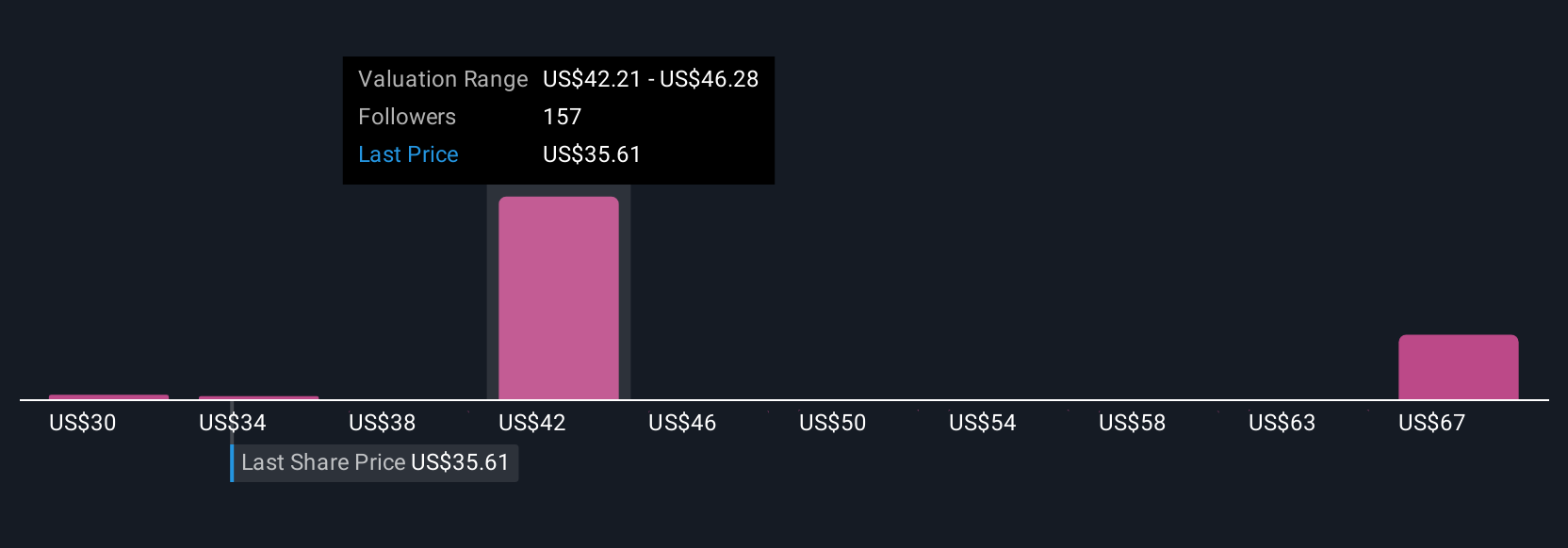
What Is The Sentiment Of Pinterest, Inc. Stock? PINS Analysis & Forecast
Unveiling the sentiment surrounding Pinterest, Inc. stock is crucial for investors seeking to navigate the volatile market landscape. This analysis delves into the prevailing opinions and attitudes toward Pinterest’s financial performance, future prospects, and overall market position. Our comprehensive assessment of Pinterest stock incorporates a multifaceted approach, examining factors such as market trends, analyst ratings, financial performance metrics, and investor confidence indicators. Through this sentiment analysis, we aim to provide actionable insights into whether the prevailing feeling leans toward a bullish outlook, bearish concerns, or a neutral stance. Ultimately, this Blog post aims to empower investors with the knowledge needed to make informed decisions regarding their Pinterest holdings in 2025.
What Factors Influence Pinterest Stock Sentiment?
Understanding what influences the sentiment of Pinterest, Inc. stock (PINS) is crucial for investors aiming to make informed decisions. Analyzing market perception provides valuable insights beyond fundamental financial metrics. This sentiment, reflecting the overall attitude towards PINS, can be shaped by a variety of interconnected factors, impacting its stock price and investment attractiveness.
Several key elements can significantly sway the sentiment surrounding Pinterest’s stock. These include broader market trends, the company’s financial performance, news coverage, and social media discussions, each contributing a piece to the overall picture. Let’s explore these influential factors in more detail:
Overall Market Trends: The general performance of the stock market, particularly the technology sector, has a ripple effect on individual stocks like Pinterest. A bullish market environment often lifts most stocks, while a bearish one can drag them down, regardless of a company’s specific performance. Economic indicators such as interest rates, inflation, and unemployment rates also play a role in shaping investor sentiment.
Company Performance and Financial Reports: Pinterest’s quarterly and annual earnings reports are closely scrutinized by investors and analysts. Revenue growth, user growth, profitability (or lack thereof), and future guidance all influence stock sentiment. Positive surprises generally lead to increased optimism, while disappointing results can trigger negative reactions. Key metrics like Monthly Active Users (MAUs) and Average Revenue Per User (ARPU) are also carefully evaluated.
News and Media Coverage: Media articles, press releases, and expert opinions can significantly impact public perception of Pinterest. Positive news, such as successful product launches or strategic partnerships, can boost sentiment, whereas negative news, like data breaches or regulatory scrutiny, can have the opposite effect. The tone and reach of media coverage contribute to shaping investor confidence.
Social Media Discussions and Analyst Ratings: The rise of social media has created a powerful platform for shaping opinions on stocks. Platforms like Twitter, Reddit, and StockTwits are filled with discussions about PINS, reflecting real-time sentiment. Furthermore, analyst ratings from investment firms also carry weight, as they offer expert perspectives and price targets that can influence investor behavior.
By understanding these factors influencing Pinterest stock sentiment, investors gain a more holistic perspective, enabling them to make well-informed investment decisions aligned with their risk tolerance and financial goals.
How to Gauge Sentiment Towards Pinterest Stock: A Comprehensive Guide
Understanding Pinterest stock sentiment is crucial for making informed investment decisions. This guide provides a detailed overview of how to effectively measure the prevailing market mood surrounding PINS, moving beyond simple price charts to delve into the multifaceted factors influencing investor perception. By exploring various data sources and analytical techniques, you can gain a deeper understanding of the collective opinion on Pinterest’s future prospects.
Utilizing Financial News and Analysis Websites
Financial news outlets and analysis websites are prime sources for gauging sentiment. Major platforms like Bloomberg, Reuters, and Yahoo Finance provide up-to-date news coverage, analyst ratings, and financial data related to Pinterest. Pay close attention to the tone and content of articles and reports. Are analysts generally optimistic or pessimistic about Pinterest’s prospects? Do headlines reflect positive developments or concerning trends? Examining the consensus view presented on these platforms can offer valuable insights into the prevailing market sentiment. For example, a surge in positive coverage following a strong earnings report can signal growing investor confidence.
Monitoring Social Media for Sentiment Signals
Social media platforms are goldmines for real-time sentiment analysis. Platforms like Twitter, Reddit, and StockTwits host vibrant discussions about stocks, including PINS. Track relevant hashtags like #PINS, $PINS, and Pinterest stock to monitor the conversations. Analyze the overall tone of these discussions: Are investors expressing excitement about new features or concerns about user growth? Tools like social media sentiment analysis platforms can help you quantify the overall positive, negative, or neutral sentiment surrounding Pinterest on these channels. Keep in mind that social media sentiment can be volatile and influenced by short-term events, so it’s essential to consider it in conjunction with other indicators.
Interpreting Analyst Ratings and Price Targets
Analyst ratings and price targets offer a structured perspective on sentiment. Investment banks and research firms regularly issue ratings (e.g., buy, sell, hold) and price targets for Pinterest stock. These ratings reflect the analyst’s opinion on whether the stock is undervalued or overvalued, while the price target represents their expectation for the stock’s future price. A consensus of “buy” ratings and rising price targets typically indicates positive sentiment, while a preponderance of “sell” ratings and declining price targets suggests negative sentiment. However, it’s important to note that analysts’ opinions can vary and should be considered as one piece of information in your overall assessment.

Sentiment Analysis Tools for Evaluating PINS Stock
Understanding what is the sentiment of Pinterest, Inc. stock is crucial for investors. Fortunately, a variety of sentiment analysis tools are available to help evaluate investor perception of PINS stock, offering insights beyond traditional financial metrics. These tools can analyze news articles, social media posts, and other textual data to gauge the overall mood surrounding the company.
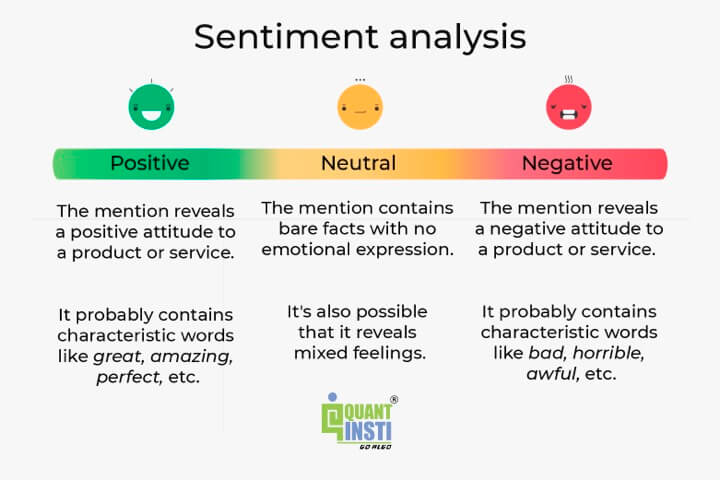
Several types of sentiment analysis platforms exist, each with its own strengths and weaknesses. These platforms utilize natural language processing (NLP) and machine learning algorithms to automatically determine the emotional tone of text, categorizing it as positive, negative, or neutral. Understanding the different types and their capabilities is essential for selecting the right tool for evaluating PINS stock.
Here are some key aspects to consider when using sentiment analysis tools:
- Data Sources: The range of data sources a platform analyzes significantly impacts its comprehensiveness. Some tools focus solely on news articles, while others incorporate social media, blog posts, and forum discussions. The broader the range, the more holistic the view of Pinterest stock sentiment.
- Accuracy and Reliability: Sentiment analysis is not foolproof. Algorithms can misinterpret sarcasm, irony, or nuanced language. Therefore, it’s crucial to choose platforms with a proven track record of accuracy and reliability. Look for tools that offer transparency in their methodology and provide metrics on their performance.
- Customization and Filtering: The ability to customize the analysis and filter out irrelevant information is vital. For instance, you might want to focus specifically on sentiment related to Pinterest’s advertising revenue or user growth. Customization options allow for a more targeted and insightful analysis.
When utilizing these tools, several key metrics provide a more comprehensive understanding of market sentiment. A sentiment score, often ranging from -1 to +1, quantifies the overall emotional tone. Sentiment volume indicates the number of mentions or discussions about Pinterest, reflecting the level of public attention. The sentiment trend tracks how sentiment changes over time, revealing shifts in investor perception.
Despite their usefulness, it’s important to acknowledge the benefits and limitations of using sentiment analysis tools. These tools offer a valuable supplement to traditional financial analysis by providing a real-time snapshot of market sentiment. However, they should not be used in isolation. Relying solely on sentiment analysis can be misleading, as market sentiment can be volatile and influenced by factors unrelated to the company’s fundamentals. Remember to combine sentiment analysis with a thorough understanding of Pinterest’s business model, financial performance, and competitive landscape for informed investment decisions.
&v=404655207895)
Contrarian Investing: Can Negative Pinterest Stock Sentiment Present Opportunities?
Contrarian investing, một chiến lược đi ngược lại với đám đông, có thể tìm thấy cơ hội trong sự tiêu cực bao quanh cổ phiếu Pinterest (PINS). Trong khi nhiều nhà đầu tư lo sợ khi tâm lý thị trường chuyển sang bi quan, nhà đầu tư theo trường phái contrarian lại xem đó là dấu hiệu của việc định giá thấp tiềm năng và cơ hội mua vào. Chiến lược này dựa trên tiền đề rằng sự bi quan quá mức có thể đẩy giá cổ phiếu xuống dưới giá trị thực của nó, tạo ra điểm vào hấp dẫn cho những người sẵn sàng đi ngược lại xu hướng.
Nhưng liệu sự tiêu cực xung quanh PINS có thực sự mang lại cơ hội contrarian hay không? Điều này phụ thuộc vào việc liệu sự bi quan có chính đáng hay không. Nếu sự sụt giảm tâm lý bắt nguồn từ những lo ngại cơ bản về mô hình kinh doanh, triển vọng tăng trưởng hoặc sức khỏe tài chính của Pinterest, thì việc đi ngược lại xu hướng có thể là rủi ro. Ví dụ: nếu Pinterest đang mất người dùng tích cực hàng tháng (MAU) một cách đáng kể do sự cạnh tranh gay gắt từ các nền tảng khác, hoặc nếu doanh thu quảng cáo đang giảm do môi trường kinh tế vĩ mô, thì sự tiêu cực có thể là một sự phản ánh chính xác các vấn đề cơ bản.
Tuy nhiên, nếu tâm lý tiêu cực chủ yếu do các yếu tố ngắn hạn hoặc phản ứng thái quá với tin tức tiêu cực tạm thời, thì contrarian investing có thể chứng minh là một chiến lược khôn ngoan. Chẳng hạn, một báo cáo thu nhập đáng thất vọng có thể gây ra sự bán tháo, mặc dù các chỉ số cơ bản dài hạn của Pinterest vẫn còn nguyên vẹn. Tương tự, những thay đổi trong thuật toán hoặc những lo ngại tạm thời về quy định về quyền riêng tư có thể ảnh hưởng đến tâm lý nhà đầu tư nhưng không nhất thiết phải làm suy yếu tiềm năng dài hạn của Pinterest. Trong những trường hợp như vậy, giá cổ phiếu giảm có thể là cơ hội để mua cổ phiếu PINS với giá chiết khấu.
Điều quan trọng là phải tiến hành phân tích kỹ lưỡng, đánh giá các yếu tố cơ bản của Pinterest, hiểu lý do đằng sau tâm lý thị trường và xác định xem sự bi quan có thực sự phản ánh giá trị nội tại của công ty hay không. AI Video Downloader khuyến khích các nhà đầu tư xem xét kỹ lưỡng trước khi đưa ra bất kỳ quyết định đầu tư nào.
Investing in Pinterest (PINS): Balancing Sentiment with Fundamentals
While Pinterest stock sentiment can offer insights into market perceptions, successful investing in Pinterest (PINS), like any other stock, requires a careful balance between sentiment analysis and a thorough evaluation of its fundamentals. Relying solely on whether the general feeling towards Pinterest, Inc. stock is positive or negative can be misleading. A comprehensive investment strategy should integrate sentiment data with a robust assessment of the company’s business model, financial health, and growth prospects.
Ignoring the underlying strength of Pinterest’s business and focusing solely on the prevailing mood surrounding its stock can lead to poor investment decisions. Market sentiment is often volatile and can be influenced by short-term events or speculative trading, while fundamental analysis provides a more objective and long-term perspective. Therefore, a judicious investor will use sentiment as one piece of a larger puzzle, combining it with a detailed examination of Pinterest’s intrinsic value.
To achieve this balanced approach, consider the following:
- Assessing Pinterest’s Business Model and Growth Potential: Understanding how Pinterest generates revenue, its competitive landscape, and its potential for future growth are crucial. Analyze its user demographics, engagement metrics, and strategies for monetization.
- Evaluating Financial Health and Key Performance Indicators (KPIs): Examine Pinterest’s financial statements, including revenue, earnings, cash flow, and debt levels. Monitor key performance indicators such as monthly active users (MAUs), average revenue per user (ARPU), and advertising revenue growth.
- Considering Long-Term Investment Strategies: Develop an investment strategy that aligns with your risk tolerance and investment goals. Determine whether you are a short-term trader or a long-term investor and adjust your approach accordingly. Remember that building a diversified portfolio is crucial for long-term investment success.
By diligently analyzing these fundamental aspects and integrating them with sentiment analysis, investors can make more informed decisions and increase their chances of success in the stock market. Using AI Video Downloader’s insights into user engagement on Pinterest, combined with financial analysis, offers a unique perspective on PINS stock.

Beyond Sentiment: Additional Metrics for Evaluating Pinterest Stock
While sentiment analysis offers valuable insights into market perception, relying solely on it to evaluate Pinterest (PINS) stock can be shortsighted. A comprehensive investment strategy demands a broader perspective, incorporating a range of financial and technical indicators to paint a more complete picture of the company’s health and future potential, supplementing the understanding of what is the sentiment of Pinterest, Inc. stock?.
Technical Analysis Indicators
Technical analysis utilizes historical price and volume data to identify patterns and trends that may predict future stock movements. Common indicators include moving averages, which smooth out price fluctuations to reveal the underlying trend, and Relative Strength Index (RSI), which gauges the magnitude of recent price changes to evaluate overbought or oversold conditions. For example, a rising moving average suggests an upward trend, while an RSI above 70 might indicate that the stock is overbought and due for a correction. Analyzing these indicators can provide insights into potential entry and exit points, complementing sentiment-based assessments.
Valuation Metrics
Valuation metrics provide crucial context on whether a stock’s price reflects its intrinsic value. Key ratios include the Price-to-Earnings (P/E) ratio, which compares a company’s stock price to its earnings per share, and the Price-to-Sales (P/S) ratio, which compares the stock price to its revenue per share. A high P/E ratio might suggest that the stock is overvalued, while a low P/S ratio could indicate undervaluation. Comparing Pinterest’s valuation metrics to those of its competitors and the broader market can provide valuable perspective on its relative attractiveness. Furthermore, analyzing metrics such as Discounted Cash Flow (DCF) can give a more detailed calculation of the company’s value based on future projections.
Risk Assessment and Management
Beyond sentiment and valuation, a thorough risk assessment is essential before investing in Pinterest stock. This involves evaluating factors such as the company’s debt levels, its competitive landscape, and potential regulatory risks. For instance, a high debt-to-equity ratio could indicate financial vulnerability, while increased competition from other social media platforms could erode Pinterest’s market share. Understanding these risks and implementing appropriate risk management strategies, such as diversification or setting stop-loss orders, is critical for protecting your investment.