Does Pinterest Pay You? Monetization Strategies For Content Creators In 2024
Does Pinterest actually pay you, or is it just another time-wasting platform? For creators diving into social media marketing, understanding monetization strategies and revenue streams is critical in 2025. This Blog post cuts through the noise, providing a data-driven exploration of Pinterest’s earning potential, from ad revenue and sponsored pins to affiliate marketing and selling products. We’ll dissect the real numbers behind successful Pinterest business accounts, helping you determine if Pinterest is a viable income source for your content creation efforts. Dive in to discover how to leverage Pinterest for tangible financial rewards.
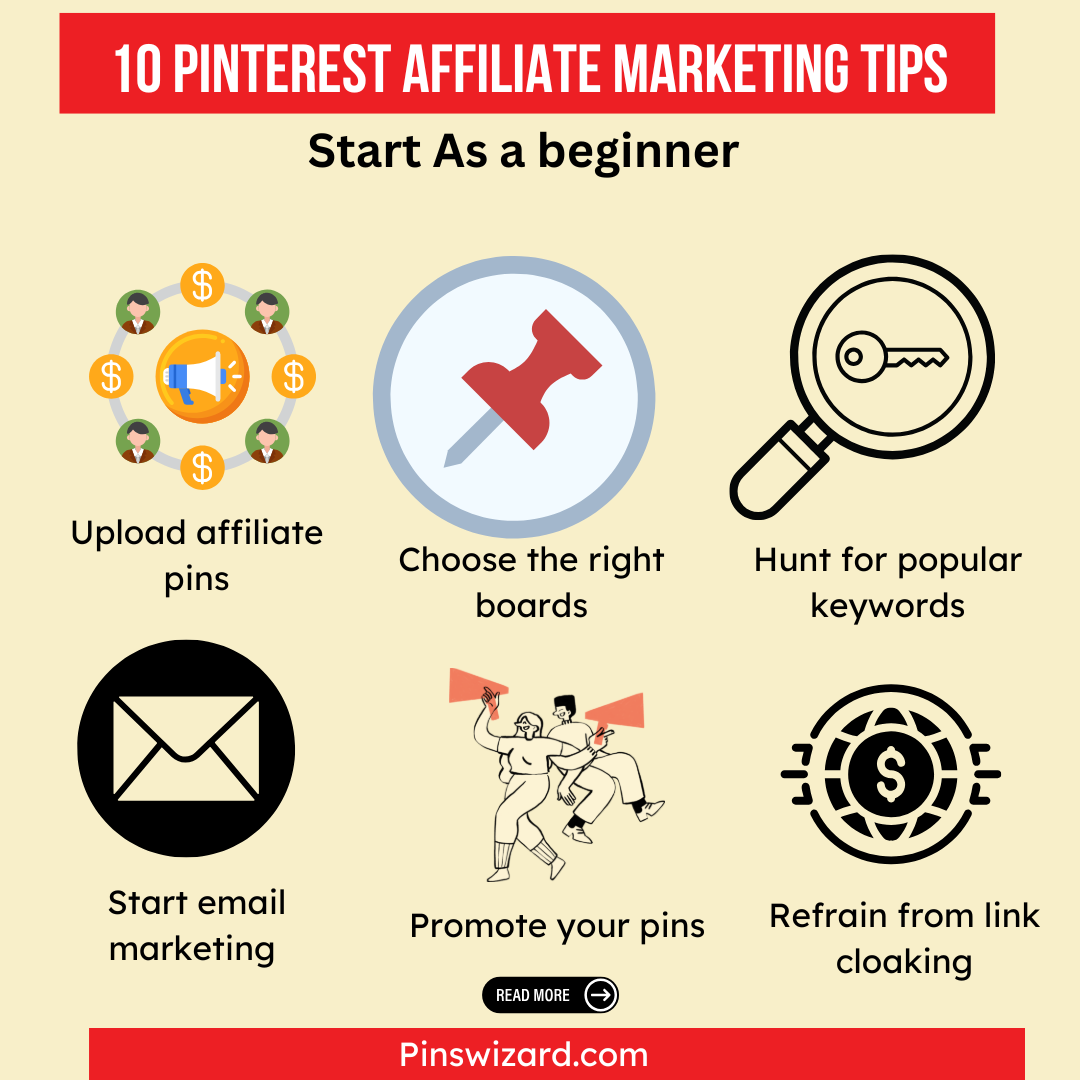
Affiliate Marketing on Pinterest: A Beginner’s Guide to Earning Commissions
Wondering does Pinterest pay you? While Pinterest doesn’t directly pay users for simply being on the platform, affiliate marketing presents a tangible avenue for earning commissions by strategically promoting products and driving sales. This guide illuminates the fundamentals of leveraging Pinterest for affiliate marketing success, especially for those just starting out. It goes beyond simply pinning pretty pictures and dives into a structured approach that transforms your Pinterest presence into a revenue-generating stream.
Affiliate marketing on Pinterest works by including a special tracking link (an affiliate link) in your pin descriptions, which directs users to a merchant’s website when clicked. When a user purchases something through your link, you earn a percentage of the sale, known as a commission. Think of it as being a virtual salesperson, earning a cut for every successful referral.
Here’s a step-by-step roadmap to get you started with affiliate marketing on Pinterest:
- Niche Selection: The bedrock of any successful affiliate endeavor lies in identifying a profitable niche. This involves focusing on a specific area of interest that aligns with your passion and expertise, and that has a demonstrated demand. Platforms like Semrush and Ahrefs can help you analyze niche profitability. For example, If you’re passionate about home decor, focus on interior design trends, DIY projects, or specific product categories like sustainable furniture.
- Partnering with Affiliate Programs: Once you’ve defined your niche, the next step is to identify and join relevant affiliate programs. Popular affiliate networks include Amazon Associates, ShareASale, and CJ Affiliate, which host a vast array of merchants across diverse categories. Be sure to choose programs that align with your niche and offer commission rates that justify your efforts.
- Creating Compelling Pins: Visual appeal is paramount on Pinterest. Design high-quality, eye-catching pins that showcase the products you’re promoting. Use professional-grade images or create visually appealing graphics with Canva or other design tools. Pin descriptions should be concise, keyword-rich, and include a clear call to action.
- Strategic Pinning and Optimization: Don’t just randomly pin; adopt a strategic approach. Create boards that are specifically tailored to your niche and organize your pins accordingly. Use relevant keywords in your board titles and descriptions to improve search visibility. Regularly pin fresh content to keep your audience engaged.
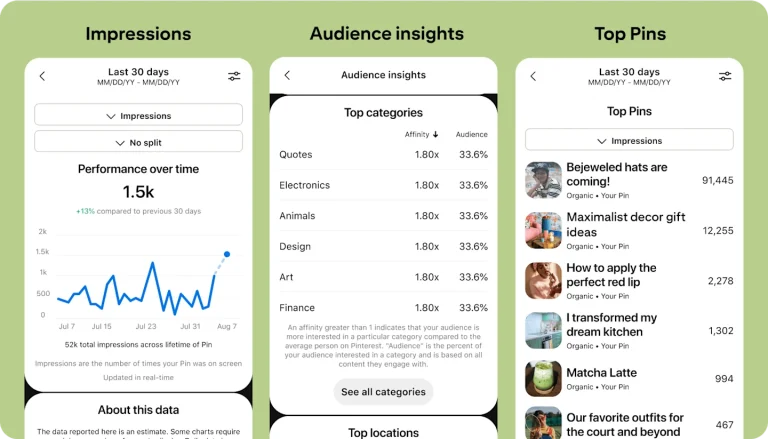
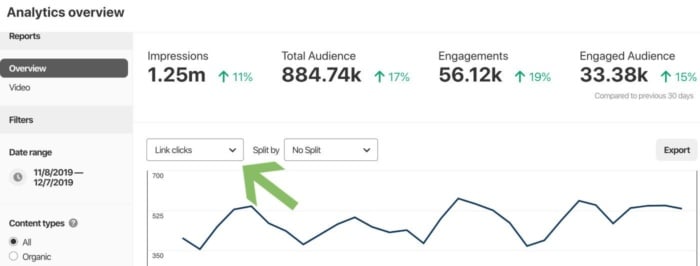
- Tracking and Analytics: Monitoring your performance is vital for optimizing your affiliate marketing efforts. Use Pinterest Analytics and the tracking tools provided by your affiliate programs to track key metrics like clicks, conversions, and earnings. Analyze this data to identify what’s working and what’s not, and adjust your strategy accordingly.
While directly embedding affiliate links into Pinterest pins was once common, best practices now favor a slightly more indirect approach. Drive traffic to a landing page or blog post on your site (like pinvideodownloader.net) that then contains your affiliate links. This allows you to build an email list, provide more context around the product, and control the user experience more effectively. This approach, besides being aligned with current best practices, also allows you to comply with Pinterest’s guidelines.
Sponsored Pins: Partnering with Brands for Revenue
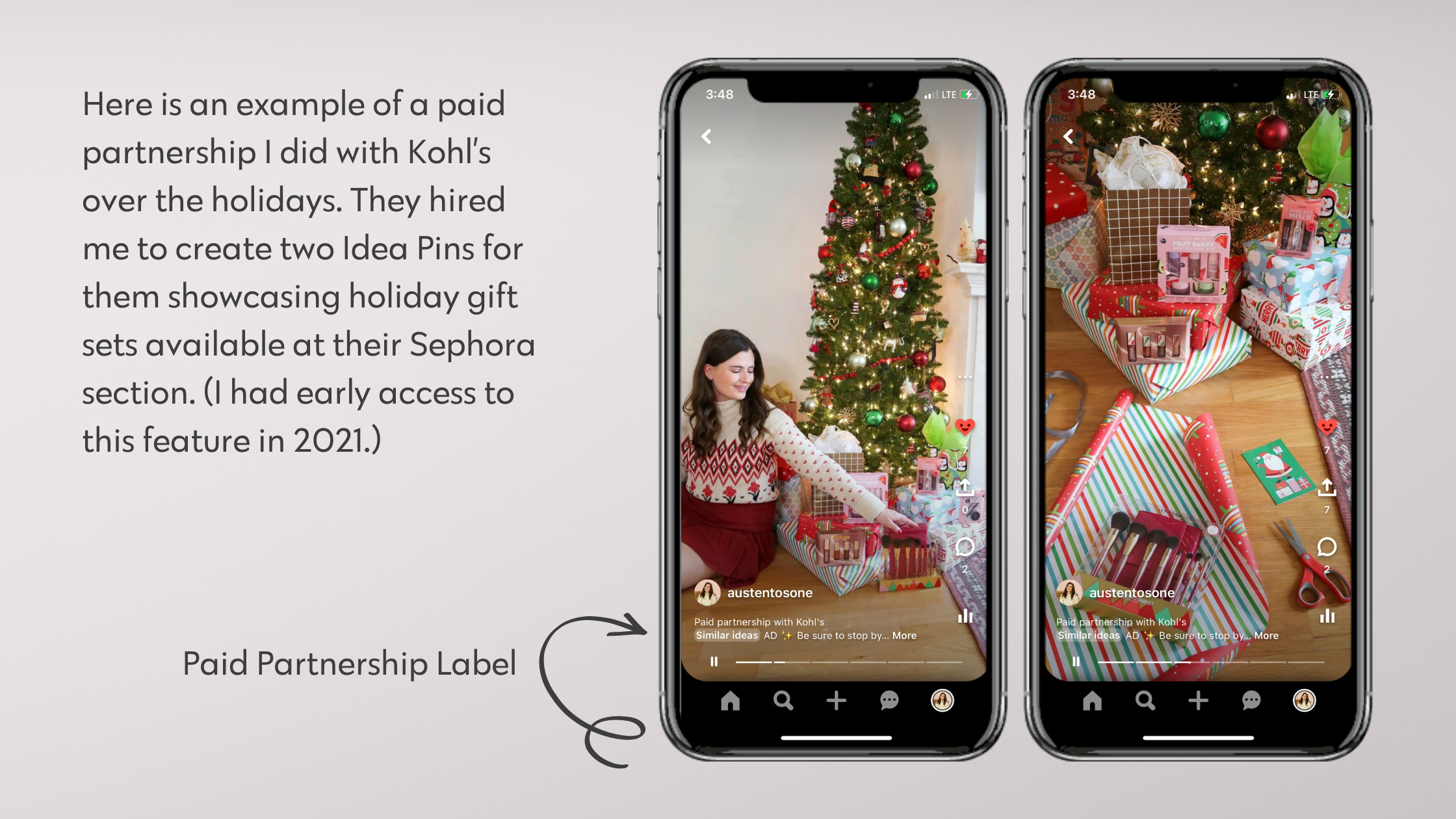
Sponsored Pins represent a compelling avenue to generate revenue on Pinterest, offering opportunities beyond simply wondering does pinterest pay you. These paid advertisements allow brands to showcase their products or services to a targeted audience, and by partnering with them, you can unlock significant income potential. This section will explore how to effectively leverage Sponsored Pins, highlighting key strategies for successful brand collaborations and maximizing your earnings.
To delve deeper, understanding the mechanics of Sponsored Pins is crucial. Brands pay to have their Pins appear more prominently in users’ feeds and search results, increasing visibility and driving traffic. As a content creator, you can collaborate with these brands by featuring their products in your Pins, earning a commission or a flat fee for your promotional efforts. Success here hinges on authenticity and relevance: your audience should genuinely find value in the promoted products, aligning with the overall theme and style of your Pinterest content.
A key aspect of successful brand partnerships involves aligning yourself with companies whose values and products resonate with your audience.
- If your Pinterest account focuses on DIY home decor, partnering with a furniture retailer or a paint brand would be a natural fit.
- For a food-focused account, collaborating with a kitchenware brand or a food delivery service makes sense.
By carefully selecting partners, you ensure that your promotions feel organic and authentic, leading to higher engagement and conversion rates. Remember, maintaining trust with your audience is paramount, and promoting irrelevant or low-quality products can damage your credibility.
Negotiating favorable terms with brands is equally important. Discuss your rates upfront, considering factors such as:
- The reach of your Pinterest account.
- The engagement rates on your Pins.
- The duration of the campaign.
Many brands are open to negotiating, especially if you can demonstrate a strong track record of driving results. Also, explore different compensation models, such as cost-per-click (CPC), cost-per-mille (CPM), or a flat fee per Pin. Document everything clearly to avoid misunderstandings. Furthermore, always disclose that your Pins are sponsored by using appropriate hashtags like #sponsored or #ad, ensuring transparency with your audience and compliance with advertising regulations.
H2: Selling Your Own Products on Pinterest: ECommerce Integration and Strategies
Leveraging Pinterest to sell your own products can be a game-changer for your business, offering a direct route to connect with potential customers who are actively seeking inspiration and making purchase decisions; this is different from whether does pinterest pay you directly. It provides a targeted platform to showcase your offerings and drive sales effectively.
To transform your Pinterest profile into a sales engine, you need to seamlessly integrate your eCommerce platform. This involves connecting your store (Shopify, Etsy, WooCommerce, etc.) to Pinterest, enabling features like product pins that display real-time pricing and availability. Using rich pins also allows Pinterest to pull product details directly from your website, keeping information consistent and enhancing the user experience; this ensures accurate pricing and inventory are shown.
Here are some strategies to maximize your sales potential on Pinterest:
- Create visually appealing product pins: Invest in high-quality photography and compelling descriptions that highlight the benefits of your products.
- Organize your products into themed boards: Group similar items together to make it easier for users to find what they’re looking for. For example, a clothing store might have boards for “Summer Dresses,” “Bohemian Tops,” and “Vintage Denim.”
- Run targeted ad campaigns: Use Pinterest’s targeting options to reach users based on demographics, interests, and keywords related to your products; data from Pinterest Analytics can inform these campaigns.
- Utilize buyable pins (if available): Make it easy for customers to purchase directly from your pins without leaving Pinterest.
- Promote sales and special offers: Highlight discounts and promotions to incentivize purchases.
- Engage with your audience: Respond to comments and questions to build relationships with potential customers.
- Track your results with Pinterest Analytics: Monitor your pin performance, website traffic, and sales to optimize your strategy. Key metrics include impressions, click-through rate, and conversion rate.
For example, if you’re selling handmade jewelry through pinvideodownloader.net and wish to optimize for “does pinterest pay you,” you might create a board showcasing your latest designs with pins linking back to your product pages. This not only increases visibility but also drives targeted traffic that is ready to purchase, thereby showcasing your brand to interested users. Utilizing these Pinterest strategies alongside the tools from pinvideodownloader.net will not only help drive conversions but also give your business a broader reach within a visual space.
Driving Traffic to Your Blog or Website from Pinterest: Convert Views to Revenue
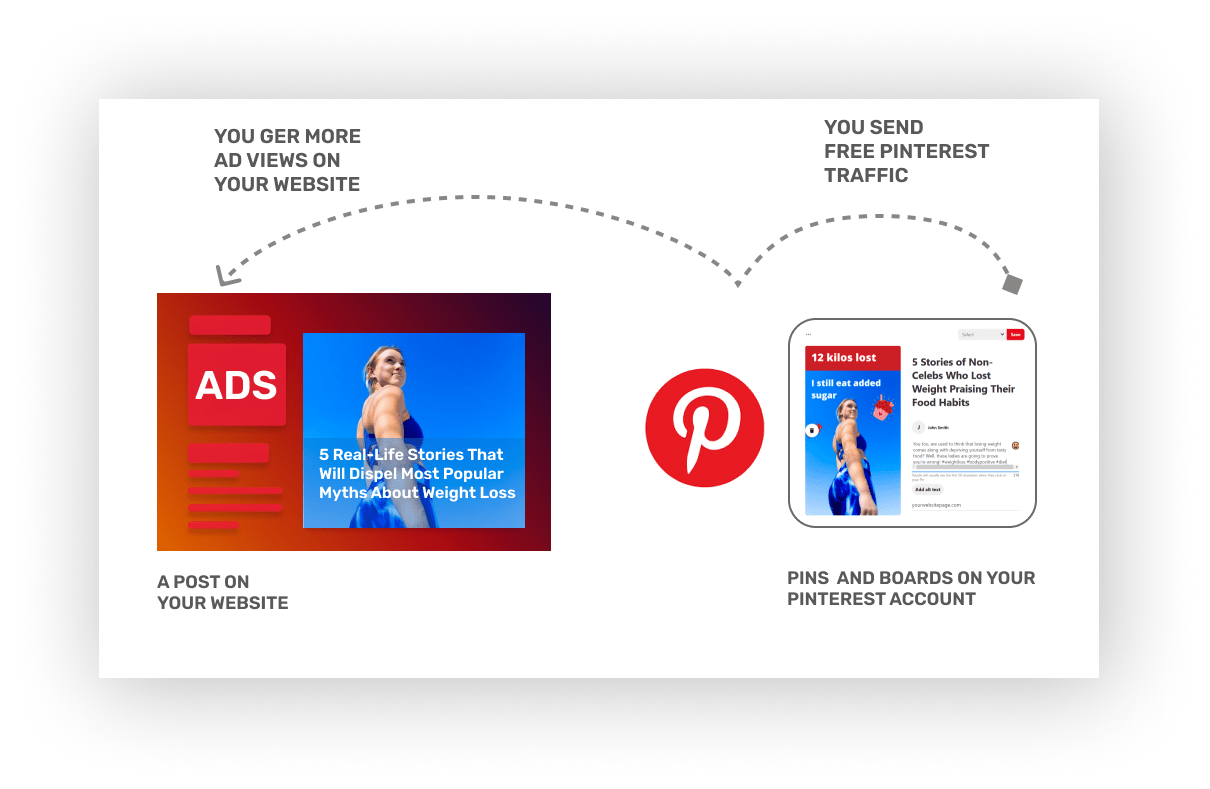
Driving traffic to your blog or website using Pinterest can be a powerful strategy to convert views to revenue, offering a direct pathway to monetization beyond simply asking “does pinterest pay you?”. Pinterest, as a visual discovery engine, allows you to showcase your content to a vast audience, potentially driving a significant stream of targeted traffic to your online platforms. Leveraging this traffic effectively is key to generating income through various avenues.
To successfully drive traffic and convert Pinterest views into revenue, it’s crucial to create compelling and optimized Pins. High-quality visuals are paramount, as they immediately grab attention and encourage users to click. Use eye-catching images or videos that are relevant to your blog or website content. Ensure that your Pins are well-described with keyword-rich captions and include a clear call to action, guiding users to visit your site.
Here are key strategies for maximizing traffic from Pinterest:
- Optimize Your Profile: Your Pinterest profile should be fully optimized with a clear description, relevant keywords, and a link to your website. This helps users understand what your brand is about and encourages them to explore your content further. For instance, for Pin Video Downloader, highlight the tool’s features and benefits for downloading Pinterest videos.
- Create High-Quality Pins: Design visually appealing Pins that are relevant to your target audience. Use high-resolution images, clear fonts, and consistent branding to create a cohesive and professional look.
- Use Relevant Keywords: Incorporate relevant keywords into your Pin titles, descriptions, and boards to improve your visibility in search results. Research popular keywords related to your niche and use them strategically throughout your Pinterest presence.
- Join Group Boards: Participate in relevant group boards to expand your reach and expose your Pins to a wider audience. Group boards are collaborative boards where multiple users can contribute Pins, increasing the chances of your content being seen by new followers.
- Analyze Your Results: Track your Pinterest analytics to understand what’s working and what’s not. Monitor your Pin performance, website traffic, and conversion rates to identify areas for improvement and optimize your strategy accordingly.
By consistently implementing these strategies and optimizing your Pinterest presence, you can effectively drive traffic to your blog or website and convert those views into tangible revenue streams. Remember to tailor your approach to your specific niche and audience to maximize your results.
Pinterest Creator Rewards Program: Demystifying the Earning System
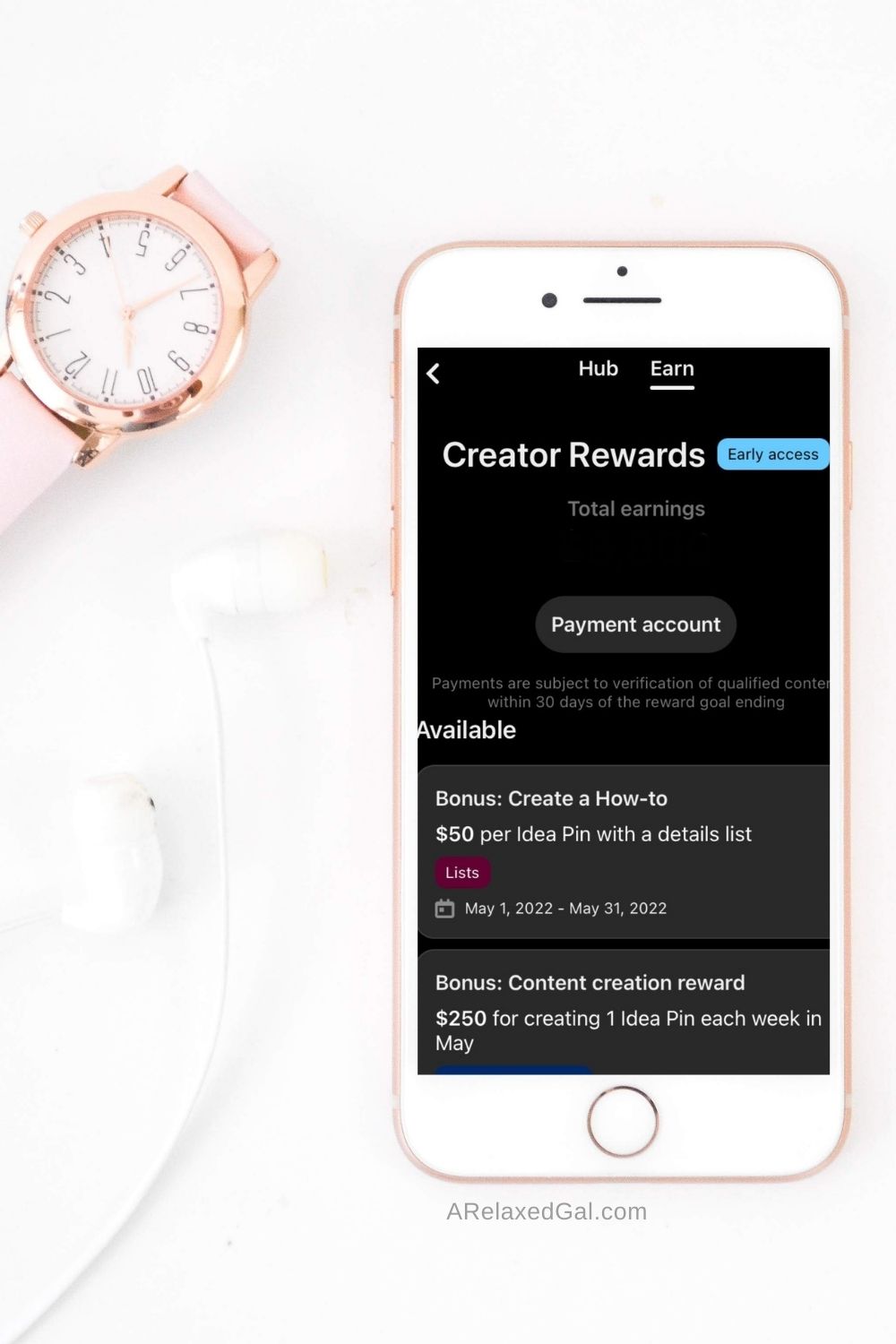
Do you wonder does Pinterest pay you through its Creator Rewards program? The Pinterest Creator Rewards Program is designed to incentivize creators to produce engaging and original content. Let’s break down how this program works, what you need to do to participate, and how you can maximize your earnings to make money on Pinterest. Understanding the nuts and bolts of this opportunity can pave the way for generating revenue while you inspire your audience.
Earning Opportunities: The core of the program hinges on challenges where creators submit Idea Pins based on specified themes. For example, a challenge might require you to showcase ‘fall fashion trends’ or ‘easy weeknight dinner recipes’.
Eligibility Requirements: To participate, creators generally need to be at least 18 years old, based in eligible countries (currently the US and select others), and have a business account. You also need to adhere to Pinterest’s community guidelines and content policies.
Payment Structure: Pinterest assesses Idea Pins based on engagement metrics like saves, comments, and shares. The more engaging your content, the higher your chances of earning rewards. While the exact payment algorithm is proprietary, payouts often range from a few dollars to hundreds, depending on the challenge and the pin’s performance.
- Pro Tip: Analyzing successful Idea Pins in your niche will offer insights on the types of content that resonate with users, thus enhancing your potential payout in the Pinterest Creator Rewards Program.
Submitting Idea Pins: Ensure each Idea Pin aligns perfectly with the challenge theme. Use high-quality visuals and engaging descriptions.
Curious about how creators are actually making money? Discover the ultimate monetization strategies in our guide: Does Pinterest Pay You?