How Old Do You Have To Be To Have Pinterest Account? Age & Safety
Here’s an opening paragraph designed to meet your SEO requirements:
Unlocking the world of Pinterest is something many are curious about, but understanding the age requirement is crucial before diving in. This article, found within our comprehensive Blog, clarifies the minimum age to use Pinterest and explores related aspects like parental controls, account security, and COPPA compliance. We’ll also delve into potential risks associated with underage use and offer guidance on how to navigate Pinterest safely for younger users in 2025.
Pinterest Age Requirement: The Official Stance
What age do you have to be to have Pinterest? The official stance of Pinterest is clear: users must be at least 13 years old to create an account and use the platform. This age requirement isn’t arbitrary; it’s a direct consequence of legal regulations and a commitment to user safety, particularly regarding children’s data privacy.
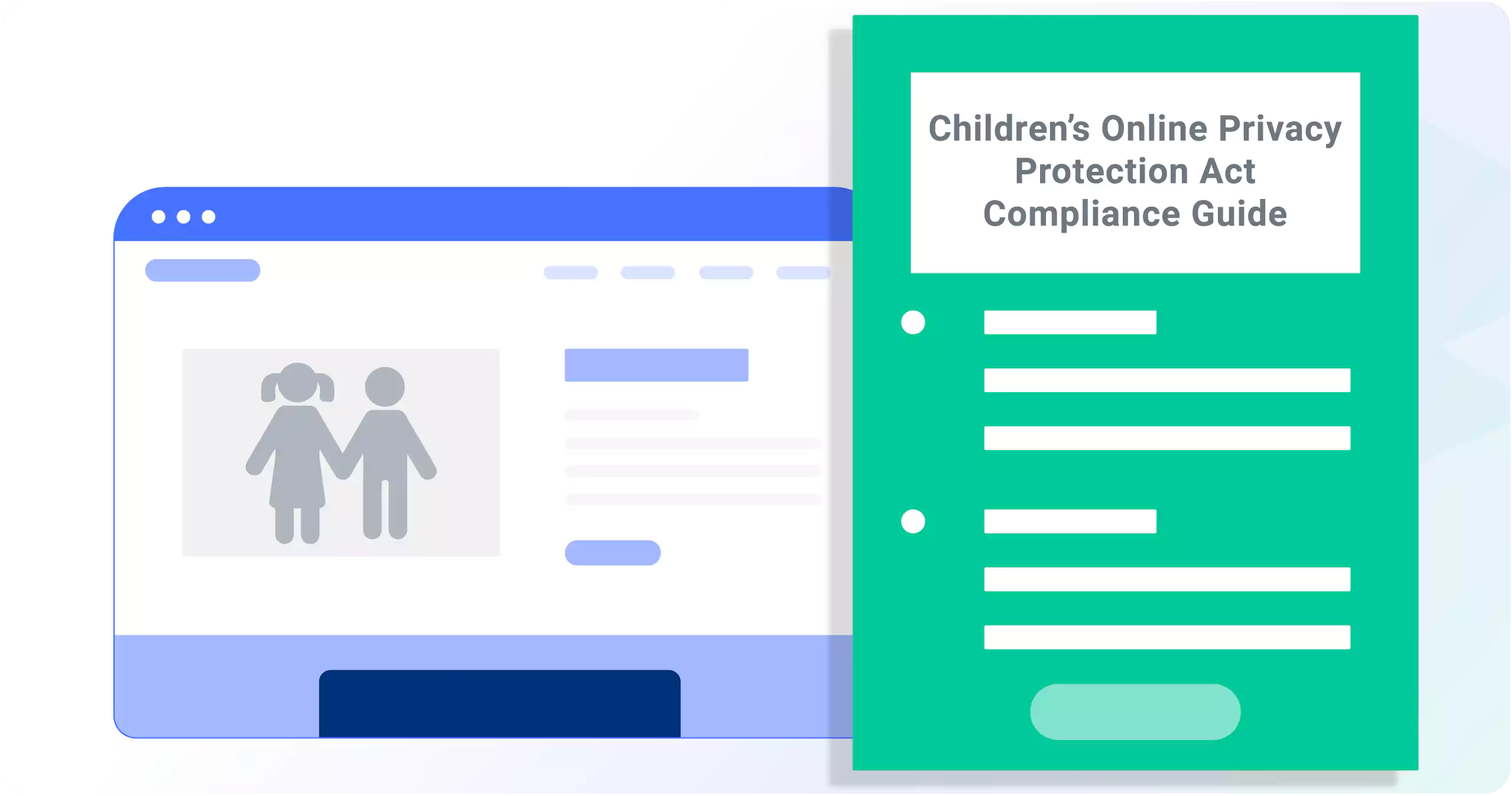
Pinterest’s policy explicitly states that individuals under 13 are not permitted to use the service. This is primarily driven by compliance with the Children’s Online Privacy Protection Act (COPPA). COPPA imposes strict rules on collecting and using personal information from children under 13, and Pinterest, like many other online platforms, adheres to these regulations to avoid legal repercussions. Beyond legal compliance, the minimum age also reflects Pinterest’s effort to create a safer environment.

Why is There an Age Limit for Pinterest? Understanding COPPA and Data Privacy
The age limit on Pinterest, and the question of how old do you have to be to have Pinterest, isn’t arbitrary; it’s deeply rooted in legal compliance and the crucial need to protect user data, especially concerning children. Specifically, the Children’s Online Privacy Protection Act (COPPA) plays a significant role in setting this restriction, along with broader considerations about data privacy and online safety.
COPPA, a US federal law, places strict requirements on websites and online services that collect personal information from children under the age of 13. Its core principle revolves around verifiable parental consent. COPPA mandates that these platforms must obtain verifiable parental consent before collecting, using, or disclosing personal information from children. This includes data like names, addresses, email addresses, and even browsing behavior. Pinterest, like many other social media platforms, chooses to implement a minimum age requirement to avoid the complex and resource-intensive process of complying with COPPA for younger users.
Beyond COPPA, the age limit also reflects a broader commitment to data privacy. Younger users may not fully understand the implications of sharing their data online. By limiting access to users who are at least 13 years old, Pinterest aims to ensure that individuals using the platform have a greater capacity to understand and consent to the collection and use of their personal information. This also helps to mitigate the risk of children being exposed to inappropriate content or engaging in potentially harmful interactions with adults online. Furthermore, maintaining an age restriction allows Pinterest to tailor its platform and advertising practices to an audience that is more likely to understand the commercial nature of the service and make informed decisions about the content they engage with.
Can You Lie About Your Age on Pinterest? Risks and Consequences
While the allure of accessing Pinterest before meeting the required age to have Pinterest might be strong, it’s crucial to understand the potential risks and consequences associated with lying about your age. Pinterest, like many other online platforms, has age restrictions in place for valid reasons, primarily related to user safety and data privacy.
Providing a false birthdate to bypass age restrictions violates Pinterest’s Terms of Service. While it might seem like a harmless shortcut, it can lead to serious repercussions. If Pinterest discovers that you’ve misrepresented your age, they may take the following actions:
- Account Suspension or Termination: Pinterest reserves the right to suspend or permanently delete your account if they find that you’ve provided false information during registration, including your age. This means you could lose access to all your saved pins, boards, and followers.
- Loss of Data: In some cases, Pinterest might delete data associated with accounts found to be in violation of their age policy. This could include your saved pins, boards, and account settings.
- Legal Repercussions: Although less common, misrepresenting your age online could potentially lead to legal consequences, especially concerning data privacy laws like COPPA (Children’s Online Privacy Protection Act). While Pinterest will likely just ban your account, COPPA violations can carry significant fines for the platform, and indirectly affect the user.
- Compromised Safety: Underage users may be exposed to inappropriate content or interactions that they are not emotionally or mentally prepared for. Lying about your age bypasses the safety measures Pinterest has in place to protect younger users.
Ultimately, being truthful about your age is the best way to ensure a safe and positive experience on Pinterest. If you don’t meet the age requirements, consider exploring age-appropriate alternatives until you are old enough to create an account legitimately.
(Approx. word count: 225)

Pinterest’s Community Guidelines: Beyond Age, What Else Matters?
While understanding how old you have to be to have Pinterest is crucial, the platform’s commitment to user safety extends far beyond just age restrictions; Pinterest’s Community Guidelines encompass a comprehensive set of rules designed to foster a positive and respectful environment for all users. These guidelines address a wide range of behaviors and content, ensuring that Pinterest remains a space where creativity and inspiration can thrive without compromising user well-being. These guidelines are not merely suggestions but are actively enforced to maintain a safe and enjoyable experience.
Beyond the minimum age requirement, Pinterest emphasizes the importance of respectful interactions and prohibits content that is harmful, misleading, or offensive. For instance, the platform has strict policies against hate speech, discrimination, and the promotion of violence. These measures aim to create a welcoming atmosphere for users from all backgrounds and prevent the spread of harmful ideologies.
Pinterest’s community guidelines also address the issue of misinformation, particularly concerning health and safety. The platform actively removes content that promotes false or misleading medical advice, conspiracy theories, or other forms of harmful disinformation. This commitment to accuracy and factual information helps protect users from potentially dangerous or harmful content.
Moreover, Pinterest prioritizes intellectual property rights and prohibits the unauthorized use of copyrighted material. Users are expected to respect the intellectual property of others and refrain from sharing content that infringes on copyrights or trademarks. This policy protects creators and ensures that Pinterest remains a platform where originality and creativity are valued. This means users must be mindful of the content they pin and share, ensuring they have the necessary permissions or licenses.
Finally, Pinterest’s guidelines emphasize the importance of privacy and security. The platform prohibits the sharing of personal information without consent and takes steps to protect user accounts from unauthorized access. Users are encouraged to report any suspicious activity or privacy violations to ensure that Pinterest remains a safe and secure platform for everyone.
In short, while age is a significant factor in determining eligibility to use Pinterest, the platform’s commitment to user safety extends far beyond age restrictions. By adhering to the Community Guidelines, users can contribute to a positive and respectful online environment where creativity and inspiration can flourish.

Concerned about your Pinterest privacy? Find out how to log out of Pinterest securely and protect your account.
Parental Controls and Pinterest: Managing Your Teen’s Account
As a parent, navigating the digital world with your teenager can be challenging. This section provides a guide to using parental controls on Pinterest and effectively managing your teen’s account, ensuring a safer and more positive online experience while they explore the platform. Understanding how to safeguard your child on Pinterest, especially concerning how old do you have to be to have Pinterest, is crucial for their digital well-being.
Pinterest offers several features that allow parents to monitor and influence their teen’s activity. These include the ability to manage privacy settings, control who can message your teen, and even review their boards and pins. By understanding and utilizing these controls, parents can create a more secure environment for their children on Pinterest. Remember, open communication with your teen about responsible online behavior is just as important as implementing technical safeguards.
One of the most effective ways to oversee your teen’s Pinterest usage is through account monitoring. Here’s what you can do:
- Review their boards: Periodically check the boards they’ve created and the pins they’ve saved to get a sense of their interests and the content they’re engaging with.
- Check their followers and who they are following: Ensure they are connecting with people they know and trust.
- Monitor their activity: Keep an eye on the comments they’re leaving and the messages they’re sending and receiving.
Beyond monitoring, it’s essential to have a conversation with your teen about Pinterest’s Community Guidelines. Make sure they understand what content is appropriate and what isn’t, and emphasize the importance of reporting any content or behavior that violates these guidelines. Also, explain the risks associated with sharing personal information online and encourage them to think critically about the content they encounter. By working together, parents and teens can ensure that Pinterest remains a safe and enjoyable space for everyone.

Is Pinterest Safe for Teens? Addressing Concerns About Content and Interactions
Is Pinterest safe for teens, considering the platform’s visual nature and wide range of content? As parents become increasingly concerned about the digital well-being of their children, it’s crucial to examine the potential risks and benefits teenagers face on platforms like Pinterest, particularly when discussing how old do you have to be to have Pinterest. This section delves into the specific worries surrounding content exposure and user interactions on Pinterest, providing a balanced perspective for parents and teens alike.
One of the primary concerns is the potential exposure to inappropriate content. While Pinterest has community guidelines, algorithms aren’t perfect, and adult themes, misinformation, and harmful body image ideals can slip through. According to Pinterest‘s Transparency Report, they are constantly working to improve their content moderation. However, it’s essential for parents to understand that no platform is completely free of risk. The type of visual content is especially appealing to teens, they need to be aware of the platform’s potential downsides and to protect themselves when using Pinterest.
Another worry is the risk of negative interactions. While Pinterest isn’t primarily a social networking site like Facebook or Instagram, interaction is possible through comments and direct messages. This can expose teenagers to cyberbullying, unwanted advances, or contact with strangers. To combat this, Pinterest offers tools to block and report users. However, teens need to be educated about online safety, including what constitutes harassment and how to protect their personal information.
Moreover, the curated nature of Pinterest can contribute to unrealistic expectations and social comparison, particularly regarding body image and lifestyle. Teens may feel pressure to conform to idealized versions of reality they see on the platform, potentially leading to anxiety and low self-esteem. Open communication with teens about the curated nature of online content can help them develop a healthy perspective. It’s very important that they are aware of the dangers of such platforms and AI Video Downloader is here to help.

Worried about inappropriate content? Explore what Pinterest is doing to combat explicit material and keep the platform safe.
Alternatives to Pinterest for Younger Users: Exploring AgeAppropriate Platforms
For younger users who don’t yet meet the Pinterest age requirement, or for parents seeking safer online environments for their children, there are several age-appropriate platforms that offer similar visual discovery experiences. These platforms prioritize child safety and data privacy, often incorporating parental controls and moderated content to provide a secure and engaging space.
Several social media and visual platforms cater specifically to younger audiences, offering curated content and enhanced safety features.
Here are some options to consider:
- Kid-safe Video Platforms: YouTube Kids offers a filtered version of YouTube with content deemed appropriate for children, parental controls, and options to restrict search functionality. Similarly, Vimeo Kids provides curated, ad-free videos for younger viewers.
- Creative and Educational Apps: Platforms like Toca Boca and Sago Mini offer a range of apps and games that encourage creativity, learning, and exploration in a safe and playful environment. These platforms focus on child development and avoid potentially harmful content.
- Moderated Social Networks: Some social networks, such as Grom Social, are designed specifically for kids and teens, with strict moderation policies and parental oversight to ensure a safe and positive online experience.
Ultimately, the best alternative to Pinterest depends on the child’s age, interests, and maturity level, as well as the parent’s preferences for safety and control. Carefully researching and evaluating each platform’s features and policies is crucial to selecting the most suitable option.
Future of Age Verification on Pinterest: What to Expect
The future of age verification on Pinterest is likely to evolve, moving beyond simple self-declaration to incorporate more robust and reliable methods, driven by increasing concerns around online safety and data privacy, especially concerning younger users. As Pinterest navigates the complexities of ensuring a safe platform for all users, especially given the spotlight on how old you have to be to have Pinterest, several potential advancements are on the horizon.
Firstly, Pinterest might adopt more sophisticated age verification technologies, moving beyond simply asking for a birthdate. This could involve integrating with third-party identity verification services that can confirm a user’s age using official documents or other reliable data sources. Such technologies could offer a more accurate way to determine if a user meets the minimum age requirement for accessing the platform. The implementation of these technologies aims to create a secure environment for teens and adhere to regulations like COPPA.
Secondly, we can expect to see increased use of AI and machine learning to identify and flag potentially underage users based on their activity and content. Pinterest can analyze patterns in user behavior, such as the types of boards they create, the content they pin, and the language they use, to identify accounts that may belong to individuals who are not of the required Pinterest age. This proactive approach could help Pinterest to identify and address potential violations of its age restrictions more effectively.
Finally, greater emphasis will likely be placed on parental controls and family accounts. Pinterest could introduce more comprehensive tools for parents to manage their teen’s activity on the platform, including the ability to monitor their pins, control their interactions, and receive alerts about potentially risky behavior. The development of family accounts could offer a structured way for parents and children to use Pinterest together, with appropriate safeguards and restrictions in place. These changes aim to protect teens and ensure they have a safe experience when using the platform.
Why is There an Age Limit for Pinterest? Understanding COPPA and Data Privacy
The age limit on Pinterest, including understanding how old do you have to be to have Pinterest, isn’t arbitrary; it’s fundamentally rooted in legal requirements and a commitment to user safety. This section will explain the critical role of laws like COPPA (Children’s Online Privacy Protection Act) and the importance of data privacy in shaping Pinterest’s policies, providing you with a comprehensive understanding of why these restrictions exist.
The primary driver behind Pinterest’s age restriction is COPPA, a US law designed to protect the online privacy of children under 13. COPPA mandates that websites and online services obtain verifiable parental consent before collecting, using, or disclosing personal information from children under 13. Since Pinterest, like many social media platforms, collects user data to personalize experiences and deliver targeted advertising, adhering to COPPA is essential to avoid legal repercussions and safeguard children’s data.
Beyond COPPA, general concerns surrounding data privacy also contribute to Pinterest’s age limit. Children are often less aware of the potential risks associated with sharing personal information online, making them more vulnerable to exploitation and privacy breaches. By setting an age requirement, Pinterest aims to ensure that users are mature enough to understand and manage their own data privacy settings, promoting a safer and more responsible online environment. This aligns with broader global data protection regulations that emphasize the need for informed consent and the protection of vulnerable individuals’ data.
Can You Lie About Your Age on Pinterest? Risks and Consequences
Thinking about bending the truth regarding how old you have to be to have Pinterest? While it might seem like a harmless shortcut to access the platform, providing a false age on Pinterest comes with potential risks and consequences that you should be aware of. Let’s delve into why this seemingly minor deception can have repercussions.
One of the primary reasons to avoid lying about your age is the potential for account suspension. Pinterest, like many social media platforms, implements measures to ensure users comply with its terms of service, including age requirements. If Pinterest discovers that you’ve provided false information, they may suspend or even terminate your account, meaning you’ll lose access to your boards, pins, and followers.
Beyond account suspension, misrepresenting your age can also lead to exposure to inappropriate content. Pinterest tailors content recommendations based on user age to create a safer and more relevant experience. By providing a false age, you might encounter content that isn’t suitable for younger audiences, potentially including explicit imagery or discussions of sensitive topics. This defeats the platform’s purpose of delivering age-appropriate recommendations.
Data privacy is another crucial consideration. The Children’s Online Privacy Protection Act (COPPA) is a law designed to protect the online privacy of children under 13. When you lie about your age, you circumvent these protections. This means your data might be collected and used in ways that violate COPPA, potentially compromising your personal information. This is especially relevant for those under 13 attempting to access the platform by misrepresenting their age. For parents, it’s important to understand parental controls and the platform’s community guidelines to maintain a safe online environment.
Finally, consider the long-term implications. If you create an account with a false age and later want to verify your identity or recover your account, you may encounter difficulties. Discrepancies in your age information can complicate these processes and potentially lead to permanent account loss. Therefore, while the temptation to bypass age restrictions may be strong, it’s crucial to weigh the potential consequences before misrepresenting your age on Pinterest.
Pinterest’s Community Guidelines: Beyond Age, What Else Matters?
While meeting the minimum age requirement is crucial for using Pinterest, it’s essential to understand that age is just one piece of the puzzle when it comes to creating a safe and positive experience on the platform. The platform has established community guidelines that extend far beyond merely how old do you have to be to have Pinterest, encompassing a broad range of standards for user behavior and content. By familiarizing yourself with these rules, you can contribute to a respectful and engaging environment for everyone.
Pinterest’s community guidelines are designed to foster a welcoming and inclusive space where users can freely explore their interests and express themselves creatively. These guidelines address several critical areas, including:
- Respectful Interactions: Pinterest prohibits hate speech, bullying, harassment, and any form of discrimination. Users are expected to treat each other with kindness and empathy, refraining from personal attacks or offensive language.
- Authenticity and Transparency: The platform discourages spam, fake accounts, and misleading content. Users should be honest and transparent in their interactions and avoid engaging in deceptive practices.
- Safety and Security: Pinterest prioritizes user safety and security, prohibiting content that promotes self-harm, violence, or illegal activities. The platform also takes measures to protect users from scams, phishing, and other online threats.
- Intellectual Property: Pinterest respects intellectual property rights and prohibits the unauthorized use of copyrighted material. Users should obtain permission before sharing content that belongs to others.
- Relevance and Quality: Pinterest encourages users to share high-quality, relevant content that is both informative and engaging. The platform discourages spam, low-quality content, and content that is irrelevant to user interests.
Understanding and adhering to these community guidelines is crucial for creating a positive and enriching experience on Pinterest. While meeting the age requirements is essential, following these guidelines ensures that the platform remains a safe, respectful, and valuable resource for all users. Failing to comply with these guidelines can result in account suspension or permanent ban.
Parental Controls and Pinterest: Managing Your Teen’s Account
As a parent navigating the digital world, ensuring your teen’s online safety is paramount, especially when it comes to platforms like Pinterest, where the minimum age requirement is a key consideration. This section delves into parental controls on Pinterest, providing actionable strategies for managing your teen’s account and fostering a safe and positive online experience. It addresses the concerns of parents and provides clear steps to protect their children while allowing them to explore the creative aspects of Pinterest in an age-appropriate way.
Pinterest offers several tools and settings that empower parents to actively manage their teen’s account. Understanding these features is the first step towards creating a secure environment. With these measures, parents can ensure their children under the Pinterest age limit don’t create an account. By carefully monitoring the content your teen engages with and the interactions they have, you can mitigate potential risks and promote responsible online behavior.
One crucial aspect of parental controls is understanding and utilizing Pinterest’s privacy settings. You can help your teen understand how to make their profile private, limiting who can see their pins and boards. This reduces the risk of unwanted attention or contact from strangers. You can also discuss the importance of reporting inappropriate content or users, fostering a sense of responsibility and empowering them to take action against negativity.
- Review Pinterest’s Community Guidelines: Familiarize yourself and your teen with Pinterest’s rules and guidelines, especially regarding appropriate content and behavior.
- Enable Two-Factor Authentication: Add an extra layer of security to your teen’s account to prevent unauthorized access.
- Regularly Check Activity: Periodically review your teen’s saved pins, boards, and who they are following to ensure they are engaging with safe and positive content.
Beyond technical settings, open communication is key. Have ongoing conversations with your teen about online safety, responsible social media usage, and the potential risks of sharing personal information. Encourage them to come to you with any concerns or uncomfortable experiences they may encounter on Pinterest. By establishing trust and fostering open dialogue, you can create a supportive environment where your teen feels comfortable navigating the online world responsibly. This ensures that even as they grow and explore, their experience on platforms like Pinterest remains positive and safe, aligned with the platform’s Pinterest age requirement.
Is Pinterest Safe for Teens? Addressing Concerns About Content and Interactions
Navigating the digital world can be tricky for parents, and one common concern is: is Pinterest safe for teens? While Pinterest can be a fantastic platform for creative inspiration and discovering new interests, it’s essential to be aware of potential risks and take steps to ensure a positive and secure experience for younger users. Understanding the platform’s potential pitfalls and implementing appropriate safeguards is key to letting teens explore Pinterest responsibly.
One of the primary worries surrounding Pinterest and teen safety revolves around the type of content they might encounter. Although Pinterest has community guidelines in place, inappropriate or harmful material can sometimes slip through. This could include content related to:
- Body image issues: Overly idealized or unrealistic portrayals of beauty can negatively impact teens’ self-esteem.
- Self-harm or suicide: While Pinterest actively removes such content, it’s crucial to be vigilant.
- Misinformation: False or misleading information can spread rapidly, particularly regarding health or social issues.
Beyond the content itself, interactions with other users can also pose risks. Just like any social media platform, Pinterest can be a breeding ground for cyberbullying, online harassment, or exposure to inappropriate advances. Teens may also be vulnerable to scams or phishing attempts from malicious actors.
To mitigate these risks, consider the following:
- Open Communication: Talk to your teen about online safety, responsible social media usage, and what to do if they encounter something that makes them uncomfortable.
- Privacy Settings: Ensure your teen’s account is set to private, limiting who can view their profile and pins.
- Monitoring Activity: While respecting their privacy, keep an eye on their Pinterest activity and be aware of who they are interacting with. Tools like AI pin video downloader’s parental control features can provide added support in monitoring Pinterest activities..
- Reporting Inappropriate Content: Teach your teen how to report content that violates Pinterest’s community guidelines.
By being proactive and informed, you can help your teen enjoy the benefits of Pinterest while minimizing potential risks. Remember, the goal is to empower them to navigate the online world safely and responsibly, which is essential for their well-being.
Alternatives to Pinterest for Younger Users: Exploring Age-Appropriate Platforms
While Pinterest requires users to be at least 13 years old, many younger children may still be interested in exploring visual discovery and creative expression online, making it crucial to explore alternatives to Pinterest for younger users. Understanding the age limit and exploring appropriate platforms ensures compliance with regulations like COPPA and prioritizes online safety. Selecting suitable platforms allows younger children to engage in creative exploration and visual discovery within safe and age-appropriate digital environments.
Several platforms offer similar functionalities to Pinterest but are designed with younger users and their safety in mind. These alternatives often feature stricter content moderation, parental controls, and educational focuses. Here are a few examples:
Kiddle: This visual search engine, powered by Google, filters out inappropriate content and presents results in a child-friendly format. Although not a direct Pinterest alternative, it allows younger users to safely explore images and topics of interest.
PicsArt Kids: This app provides a safe space for children to create, share, and discover artwork. It offers a range of drawing tools, stickers, and templates, along with robust moderation to ensure a positive experience.
Tweezy: Designed specifically for younger children, Tweezy focuses on sharing and discovering creative ideas in a safe and moderated environment. It emphasizes positive interactions and discourages negative comments or content.
By providing these alternatives, parents can encourage their children’s creativity and exploration in a secure and age-appropriate manner, addressing concerns about content safety and online interactions. These age-appropriate platforms aim to replicate the engaging experience of Pinterest, but with safeguards tailored for a younger demographic.
Future of Age Verification on Pinterest: What to Expect
As Pinterest continues to evolve, the future of age verification on the platform is becoming increasingly important for user safety and compliance with regulations. The focus keyword how old do you have to be to have Pinterest highlights the growing need for robust and accurate age verification methods. Expect to see significant changes in how Pinterest ensures its users meet the minimum age requirement.
Pinterest, like other social media platforms, faces the ongoing challenge of ensuring a safe environment for its users, especially younger ones. Current methods, primarily relying on self-declaration, are often inadequate. The platform needs to enhance its systems to accurately verify a user’s age. Several potential avenues for improvement could be explored:
- Biometric Verification: Using facial recognition or other biometric data to estimate age.
- ID Verification: Requiring users to submit a copy of their government-issued ID.
- Knowledge-Based Authentication: Asking questions that only someone of a certain age would know.
- Integration with Third-Party Services: Partnering with existing age verification services.
One likely development is the integration of more sophisticated AI-powered tools to detect inconsistencies in user-provided information. These tools can analyze patterns in account activity, profile details, and even content shared to flag potentially underage users. This, combined with stricter enforcement policies, could create a more secure environment on Pinterest.
Furthermore, the future of age verification might involve more collaboration between social media platforms and regulatory bodies to establish standardized procedures and share best practices. As legal frameworks like COPPA continue to evolve, Pinterest will need to adapt its strategies to meet these requirements and protect the data privacy of its younger users. AI Pin Video Downloader hopes that Pinterest continues to prioritize these measures to ensure a safe and positive experience for all its users.