Is There Porn On Pinterest? Content Guidelines, Safety & Alternatives
Is there porn on Pinterest in 2025? The answer, as you might expect, is complex and requires a nuanced understanding of the platform’s policies and enforcement. This post cuts through the noise to give you a straight answer about explicit content, Pinterest’s guidelines, and the reality of what you might encounter. We’ll explore how Pinterest attempts to moderate adult material, the types of NSFW content that may slip through the cracks, and what measures are in place to report it. As a bonus for our Blog readers, we’ll also share tips on how to ensure a safe and curated experience on Pinterest, protecting you from unwanted exposure to inappropriate content.
Pinterest’s Content Policy & Community Guidelines: A Clear Overview
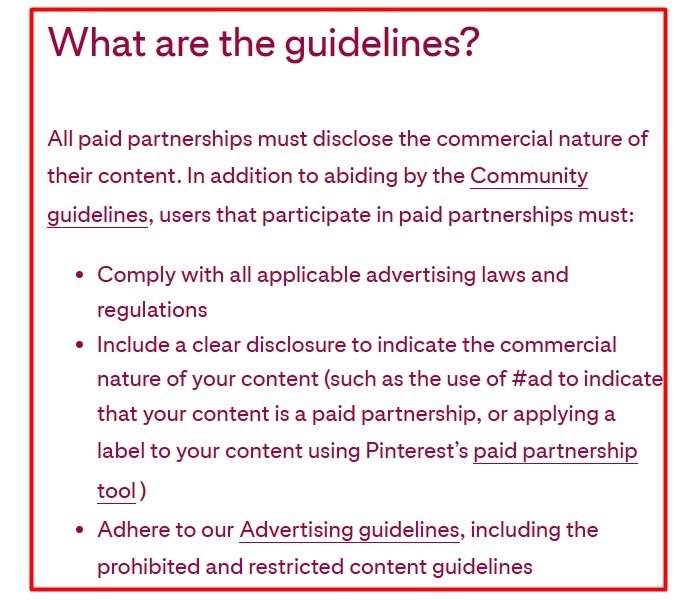
Understanding Pinterest’s content policy and community guidelines is crucial for both creators and users to ensure a safe and enjoyable experience on the platform; in relation to queries such as is there porn on pinterest, it underscores the platform’s stance against explicit content. These guidelines act as the cornerstone of Pinterest’s commitment to fostering a positive environment, shaping user behavior and content moderation practices. By providing a transparent framework, Pinterest empowers its community to contribute to a space free from harmful or offensive material.
Pinterest’s commitment to maintaining a family-friendly image is clearly reflected in its stringent content policies, explicitly prohibiting pornographic content, graphic violence, and hate speech. The platform actively discourages the posting of content that exploits, abuses, or endangers children, showcasing its dedication to child safety. Furthermore, Pinterest prohibits the promotion of illegal activities, goods, and services, maintaining a responsible online environment. This proactive approach sets it apart from platforms with more permissive content policies.
The community guidelines extend beyond explicit prohibitions, emphasizing respectful interactions and responsible content creation. Users are expected to refrain from engaging in harassment, bullying, or the spread of misinformation, contributing to a positive and inclusive atmosphere. Pinterest encourages users to report content that violates these guidelines, further empowering the community to participate in content moderation. By fostering a sense of shared responsibility, Pinterest strengthens its commitment to upholding a high standard of online conduct. This collaborative approach to content moderation enhances the platform’s overall safety and trustworthiness.
Understanding the Debate: Why People Ask “Is There Porn on Pinterest?”
The persistent question, “Is there porn on Pinterest?,” stems from a combination of factors, primarily the platform’s visually-driven nature and the inherent challenges in moderating user-generated content. Pinterest, at its core, is a visual discovery engine, showcasing images and videos on a wide array of topics. This visual emphasis, coupled with the open platform environment where users can share and curate content, creates a perceived vulnerability to the potential presence of explicit material, leading to legitimate concerns and queries about pornography on Pinterest.
Several aspects contribute to this perception and drive the debate:
- Visual Nature: Pinterest’s dependence on images and videos makes it superficially resemble platforms known for adult content, even though its content policies explicitly prohibit such material. The ease of uploading and sharing visuals raises concerns about explicit content slipping through moderation filters.
- User-Generated Content: Pinterest thrives on user contributions. While this fosters creativity and diverse perspectives, it also creates a constant influx of new content that requires monitoring. The sheer volume makes comprehensive manual review impossible, relying heavily on automated systems and user reporting.
- Misinterpretation of Artistic Content: Some users may encounter images featuring nudity or suggestive themes, often in the context of art, fashion, or health. While these may not violate Pinterest’s policies when presented appropriately, they can still be misconstrued as explicit content, fueling the perception of pornographic material existing on the platform.
- Past Incidents and Public Perception: Isolated incidents of explicit content appearing on Pinterest, even if quickly removed, can damage the platform’s reputation and contribute to the ongoing debate. Negative press and user reports perpetuate the idea that adult content is a problem on Pinterest.
Ultimately, the inquiry about pornography on Pinterest reflects a broader concern about online safety, content moderation, and the protection of users, particularly children, from exposure to inappropriate material. While Pinterest actively combats the presence of explicit content, the platform’s visual nature and reliance on user-generated content necessitate ongoing vigilance and continuous improvements in moderation strategies. Pin Video Downloader is committed to providing safe content for users.
Here’s the content for your H2, optimized for semantic SEO and user engagement, aiming for a word count that AI deems appropriate:
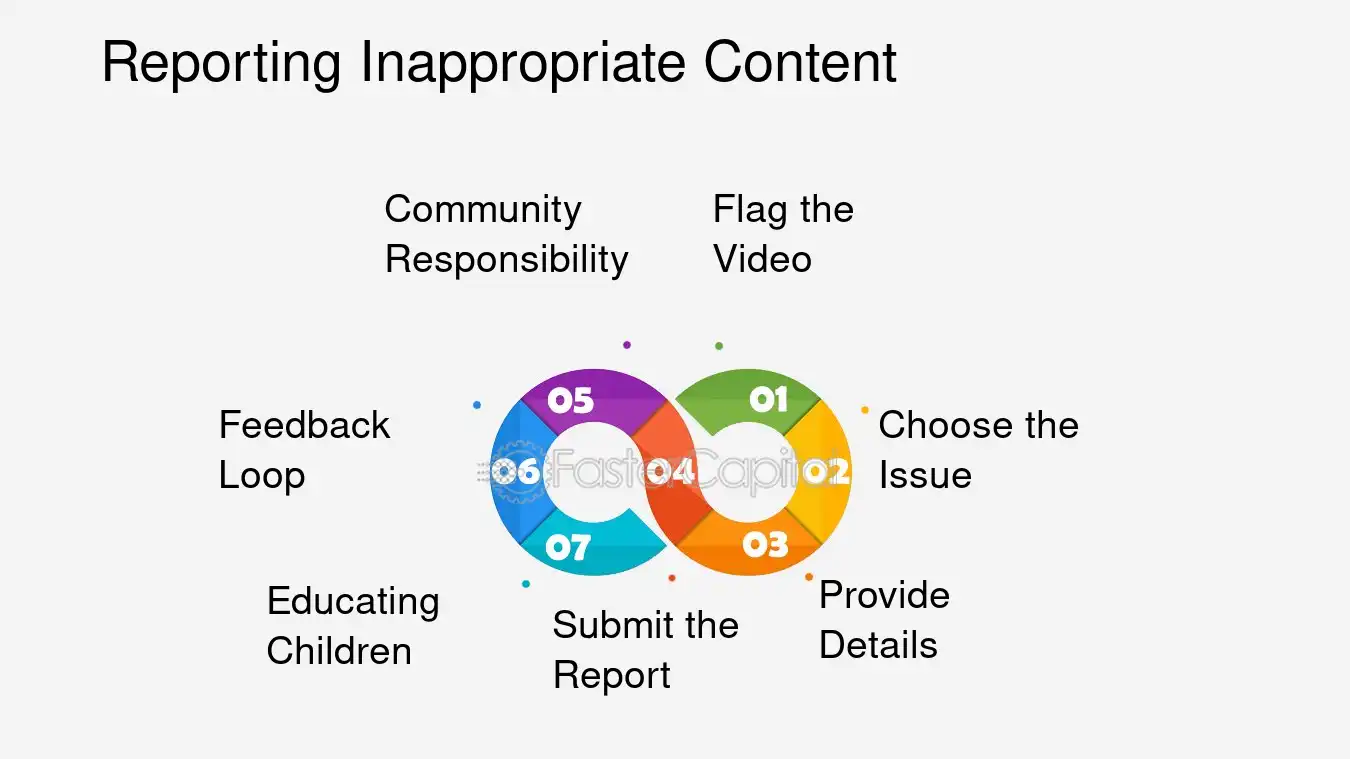
Reporting Inappropriate Content on Pinterest: A Step-by-Step Guide
Feeling unsafe or encountering content that violates Pinterest’s guidelines? This comprehensive guide provides a step-by-step process for reporting inappropriate content on Pinterest, empowering you to contribute to a safer and more positive online environment, far removed from the question “is there porn on pinterest?”. By actively flagging potentially offensive or policy-violating material, users play a vital role in reinforcing Pinterest’s commitment to maintaining a family-friendly platform and addressing concerns about explicit content. This ensures a browsing experience aligned with community standards and values.
Pinterest prioritizes user safety and has implemented a straightforward reporting system. To flag a Pin, profile, board, or message:
- For a Pin: Click the three dots located at the bottom of the Pin. Select “Report Pin”.
- For a Profile: Navigate to the profile. Click the three dots in the top right corner. Select “Report”.
- For a Board: Go to the board. Click the three dots beneath the board name. Select “Report”.
- For a Message: Open the conversation. Long-press the message you want to report. Tap “Report”.
After selecting “Report,” you’ll be prompted to specify the reason for your report. Choose the option that best describes the violation, such as nudity or pornography, hate speech, harassment, or spam. Providing a detailed explanation in the text box can further assist Pinterest’s moderation team in their review process. Pinterest’s reporting system covers diverse content types, including images, videos, descriptions, and comments, ensuring comprehensive moderation.
Upon submission, Pinterest’s moderation team reviews each report. While you might not receive immediate feedback on the outcome, rest assured that Pinterest takes all reports seriously. Their team assesses the reported content against their Community Guidelines and Content Policy, taking action as necessary. It’s important to remember that not all reported content will be removed, as opinions may differ on what constitutes a violation. However, consistent reporting helps Pinterest identify patterns and trends, allowing them to refine their moderation strategies and keep the platform safe.
It’s worth noting that Pinterest also utilizes automated tools and AI to proactively detect and remove inappropriate content. However, these systems aren’t foolproof, making user reporting a crucial component of maintaining a safe and positive community.
By familiarizing yourself with Pinterest’s reporting mechanism, you contribute directly to upholding the platform’s standards and protecting yourself and other users from harmful or offensive material. This proactive approach ensures that Pinterest remains a visual discovery platform that aligns with its commitment to a family-friendly experience.
Alternative Platforms for Adult Content: A Comparison
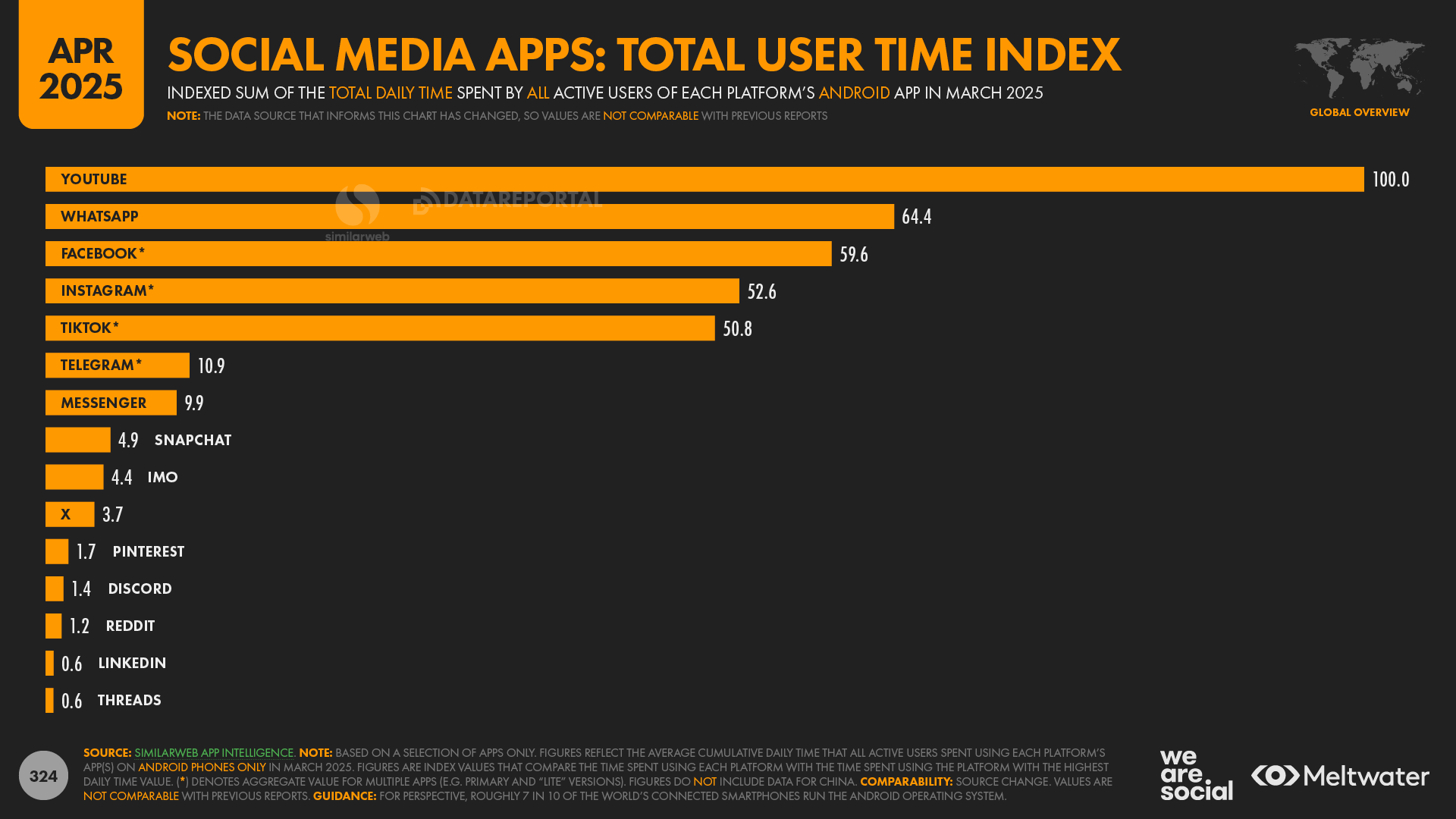
While Pinterest maintains a strict policy against explicit content, those seeking platforms with a more permissive approach have several alternative platforms to consider. This section clarifies Pinterest’s stance by contrasting it with platforms that explicitly allow adult content, offering users alternative options tailored to their preferences. Understanding the landscape of adult content platforms helps to appreciate Pinterest’s commitment to a family-friendly environment and guides users to find platforms aligned with their specific needs.
Several platforms cater specifically to adult content, each with its own unique features and community. Pornhub, for instance, is a video-sharing website offering a wide range of adult films and user-generated content. Xvideos is another popular platform known for its extensive library of free adult videos. OnlyFans, while not exclusively for adult content, allows creators to monetize their content, including adult material, through subscriptions. These platforms operate under different content moderation policies than Pinterest and are designed to accommodate explicit material. According to Similarweb, Pornhub consistently ranks among the top websites globally, demonstrating the significant demand for platforms dedicated to adult entertainment.
Here’s a comparison highlighting key differences:
- Content Policy: Pinterest strictly prohibits nudity and sexually explicit content, while platforms like Pornhub and Xvideos explicitly allow it. OnlyFans allows adult content but requires creators to mark it as sensitive.
- Target Audience: Pinterest aims for a broad audience, including families and children, while alternative platforms target adults interested in explicit material.
- Content Moderation: Pinterest invests heavily in AI and human moderation to remove inappropriate content. Adult content platforms focus on complying with legal requirements and may have different standards regarding illegal or harmful material.
- Business Model: Pinterest relies on advertising and e-commerce. Adult content platforms primarily generate revenue through advertising, subscriptions, or pay-per-view models.
Therefore, the query “is there porn on pinterest” stems from a misunderstanding of the platform’s core values and content guidelines. Instead of trying to find porn on Pinterest, users are better served exploring dedicated adult content platforms that cater to their specific interests. This allows for a clearer understanding of where Pinterest stands in the digital content landscape, emphasizing its commitment to a safe and family-friendly online experience.
H2: The Role of AI and Moderation in Maintaining Pinterest’s Image
To maintain a family-friendly environment and address concerns like “is there porn on Pinterest?”, Pinterest heavily relies on both AI and human moderation. Understanding the complexities of visual content, the platform invests significantly in technological advancements and dedicated teams to uphold its content policy and community guidelines, safeguarding its brand image. This multi-layered approach is crucial for proactively identifying and removing inappropriate content, ensuring a positive user experience.
The integration of artificial intelligence plays a pivotal role in proactively identifying potentially problematic content. Pinterest employs sophisticated algorithms trained to detect various violations, including sexually explicit material, hate speech, and misinformation. These AI models analyze images and videos based on visual cues, text overlays, and associated metadata, flagging suspicious pins for further review by human moderators. By automating the initial screening process, Pinterest can efficiently sift through vast amounts of content and prioritize potentially harmful material.
However, AI moderation is not foolproof and requires the nuanced judgment of human moderators. Human review serves as a critical layer of oversight, verifying the accuracy of AI detections and addressing complex or ambiguous cases. These moderators possess in-depth knowledge of Pinterest’s community guidelines and cultural contexts, enabling them to make informed decisions about whether content violates the platform’s policies. This collaborative effort between AI and humans ensures a more comprehensive and accurate approach to content moderation.
Pinterest’s commitment to maintaining a safe and positive environment is reflected in its substantial investment in content moderation. Reports indicate that the company dedicates significant resources to both technological infrastructure and human capital, employing a global team of moderators who work around the clock to review flagged content. This ongoing investment demonstrates Pinterest’s dedication to proactively addressing concerns about inappropriate content and safeguarding its family-friendly image. Furthermore, Pinterest actively seeks to improve its moderation capabilities by incorporating user feedback and staying abreast of emerging trends in online content.
Parental Controls and Safe Search on Pinterest: Protecting Minors
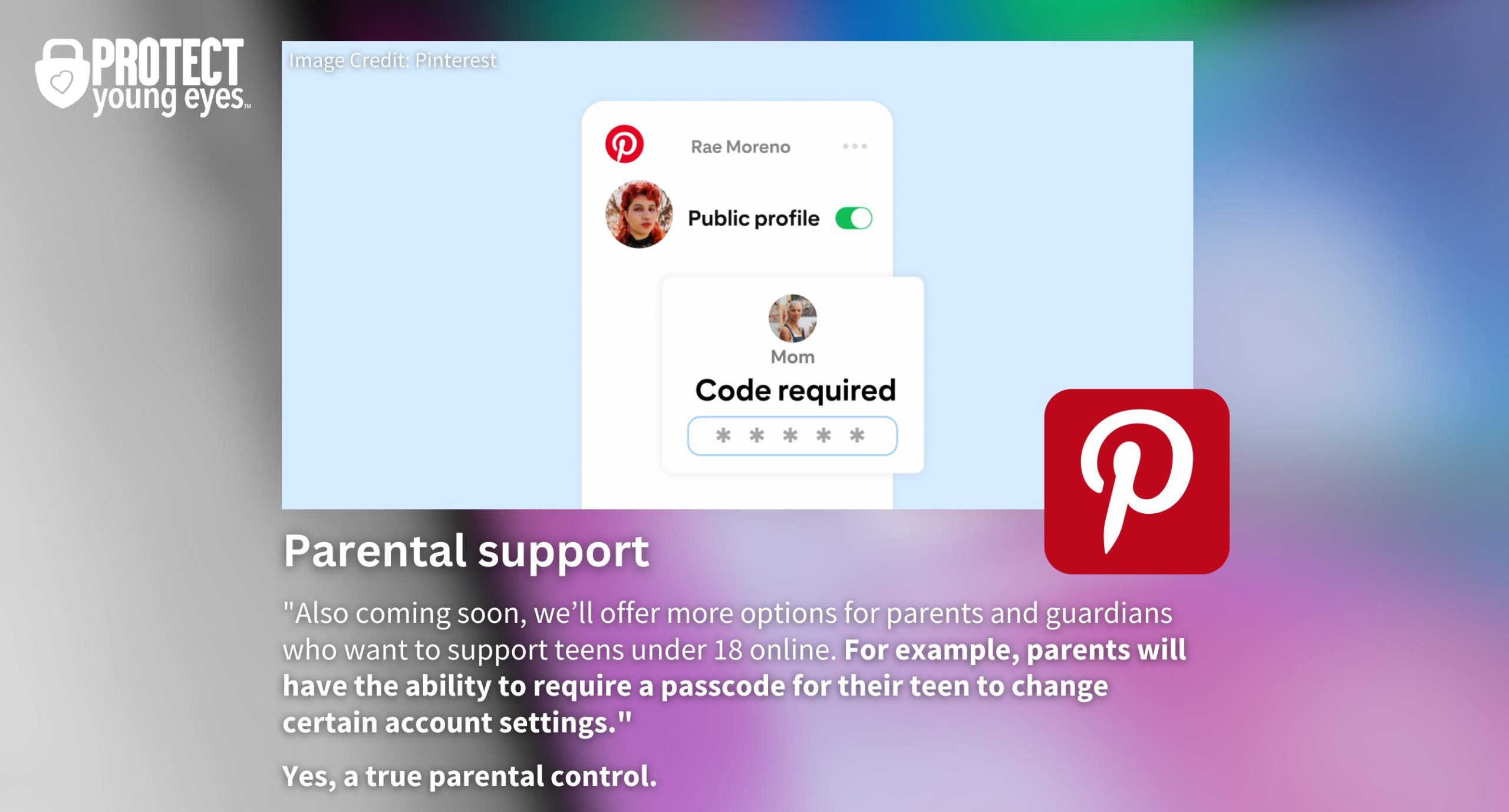
Recognizing the importance of child safety, Pinterest offers robust parental controls and safe search features designed to safeguard younger users from inappropriate content. These tools empower parents and guardians to create a safer browsing experience, aligning with Pinterest’s commitment to maintaining a family-friendly environment and mitigating concerns about is there porn on pinterest. By proactively managing their children’s online activity, parents can ensure their kids are exploring inspiring ideas and creative projects without exposure to potentially harmful material.
One crucial tool is the ability to manage account privacy. Parents can set their child’s profile to private, limiting who can follow them, see their Pins, and send them messages. This is especially helpful for younger users who may not fully understand the risks of sharing personal information online. A private account ensures that only approved individuals can interact with the child’s Pinterest profile, reducing the chance of encountering unwanted contact or inappropriate content.
Another key feature is Safe Search, which filters out potentially explicit or mature content from search results. While not foolproof, Safe Search significantly reduces the likelihood of children stumbling upon undesirable images or topics. This setting can be found within the account settings and is easy to enable, providing an extra layer of protection while kids explore their interests on the platform. Pinterest’s algorithms are continuously updated to improve the accuracy of Safe Search and identify emerging types of inappropriate material.
In addition to these direct controls, Pinterest also provides resources and guidelines for parents to discuss online safety with their children. These resources offer valuable advice on topics such as cyberbullying, online privacy, and responsible digital citizenship. By fostering open communication and educating children about the potential risks of the internet, parents can empower them to make informed decisions and navigate the online world safely.
Moreover, Pinterest’s commitment extends to actively monitoring and removing content that violates its policies, including material that is sexually suggestive, exploits, abuses, or endangers children. The platform employs a combination of automated tools and human reviewers to identify and remove such content swiftly, demonstrating its dedication to protecting its youngest users. This multifaceted approach, combining parental controls, safe search, educational resources, and proactive content moderation, reinforces Pinterest’s position as a platform striving for a safe and positive online experience for everyone.
-images-2.jpeg)
Want to ensure a safe Pinterest experience, especially regarding potentially sensitive content? Explore Pinterest’s content guidelines, safety measures, and alternative platforms if you’re concerned about inappropriate material.
Misinformation and Explicit Content: The Challenges of Content Moderation Online
The proliferation of misinformation and explicit content presents a significant challenge to content moderation efforts across all online platforms, including Pinterest. This section explores the broad difficulties in effectively detecting and removing inappropriate material, highlighting the complexities faced by platforms striving to maintain a safe and trustworthy environment for their users.
The scale of the internet itself poses a considerable hurdle. Millions of pieces of content are uploaded daily, making it virtually impossible for human moderators alone to review everything. This necessitates the use of automated systems, but these systems are not without their flaws. For instance, false positives – mistakenly flagging legitimate content as inappropriate – can lead to censorship and frustration for users. Conversely, false negatives – failing to identify genuinely harmful content – can expose users to offensive or dangerous material. Algorithms often struggle with nuanced forms of misinformation, such as satire or parody, and can also be easily manipulated by those seeking to spread malicious content.
Furthermore, the evolving nature of explicit content and deceptive tactics requires constant adaptation. What was once considered acceptable may become prohibited, and new forms of harmful content emerge regularly. The use of coded language, image manipulation, and sophisticated bot networks makes detection even more difficult. Platforms like Pinterest, which rely heavily on visual content, face unique challenges in identifying subtly suggestive or exploitative imagery. Consider deepfakes, which can convincingly portray individuals in compromising situations, or the use of seemingly innocuous images to promote harmful ideologies.
Cultural context also plays a crucial role in content moderation. What is considered offensive or inappropriate varies significantly across different regions and communities. Applying a universal standard can lead to unintended consequences, either by censoring legitimate cultural expression or by failing to protect vulnerable users in specific contexts. For example, content that is considered acceptable in one country may violate local laws or cultural norms in another. Platforms must navigate these complexities carefully to ensure their content policies are both effective and respectful of diverse cultural values.