How To Make Pinterest Dark Mode: Enable Night Theme For Eye Comfort
Here’s an engaging and SEO-optimized introduction for your “how to make pinterest dark mode” article, tailored for a no-nonsense audience and adhering to your specific instructions:
(Introduction)
Enabling Pinterest Dark Mode in 2025 isn’t just about aesthetics; it’s a crucial step for reducing eye strain, conserving battery life, and enhancing your overall browsing experience. As part of our Blog series, this guide dives deep into the simple yet effective methods to switch your Pinterest interface to dark mode across various platforms. Whether you’re using the Pinterest app on your iOS or Android device, accessing Pinterest on your desktop, or prefer the Pinterest website, we’ll cover all the bases. Learn how to activate dark mode settings, troubleshoot common issues, and discover the benefits of using dark mode themes for prolonged Pinterest sessions. Prepare to optimize your Pinterest viewing with our straightforward, step-by-step instructions.
Why Use Pinterest Dark Mode? (And Who Needs It)
Enabling Pinterest dark mode offers a more comfortable and visually appealing browsing experience, especially beneficial for users seeking ways to reduce eye strain and conserve battery life. Switching to dark mode transforms the predominantly bright interface of Pinterest into a darker color palette, a change that caters to various needs and preferences.
- Reduced Eye Strain: Staring at bright screens for extended periods can lead to eye fatigue and dryness. Dark mode reduces the amount of blue light emitted, easing the strain on your eyes, particularly in low-light environments. This makes browsing Pinterest late at night or in dimly lit rooms significantly more comfortable.
- Improved Battery Life: For devices with OLED or AMOLED screens, dark mode can lead to noticeable battery savings. These screens only illuminate the pixels needed to display content, meaning that a darker interface consumes less power.
- Enhanced Visual Comfort: Many users find that dark mode offers a more pleasing aesthetic, especially when browsing for extended periods. The darker background makes images and videos stand out more, enhancing the overall viewing experience.
- Accessibility Benefits: Dark mode can improve readability for individuals with certain visual impairments or light sensitivities. The reduced glare and increased contrast can make text easier to read and images easier to discern.
So, who exactly benefits the most from using Pinterest dark mode? Individuals who frequently use Pinterest for extended periods, especially in low-light conditions, such as designers seeking inspiration late at night, or social media managers scheduling content, are ideal candidates. Gamers, developers, and any individual who is already using dark mode on other apps and wants a consistent experience across devices will also benefit. Furthermore, if you’re sensitive to bright light or find that your eyes get tired easily, Pinterest dark mode can be a game-changer for your browsing habits.
Enable Pinterest Dark Mode on Desktop: Step-by-Step Guide
Enabling Pinterest dark mode on desktop is a straightforward process that can significantly improve your browsing experience, especially during nighttime or in low-light environments. This guide will provide a detailed, step-by-step walkthrough on how to make Pinterest dark mode accessible on your computer, offering a comfortable viewing experience.
Here’s how to turn on dark mode on the Pinterest website:
- Access Your Pinterest Account: Begin by navigating to the Pinterest website (pinterest.com) on your desktop browser and logging into your account.
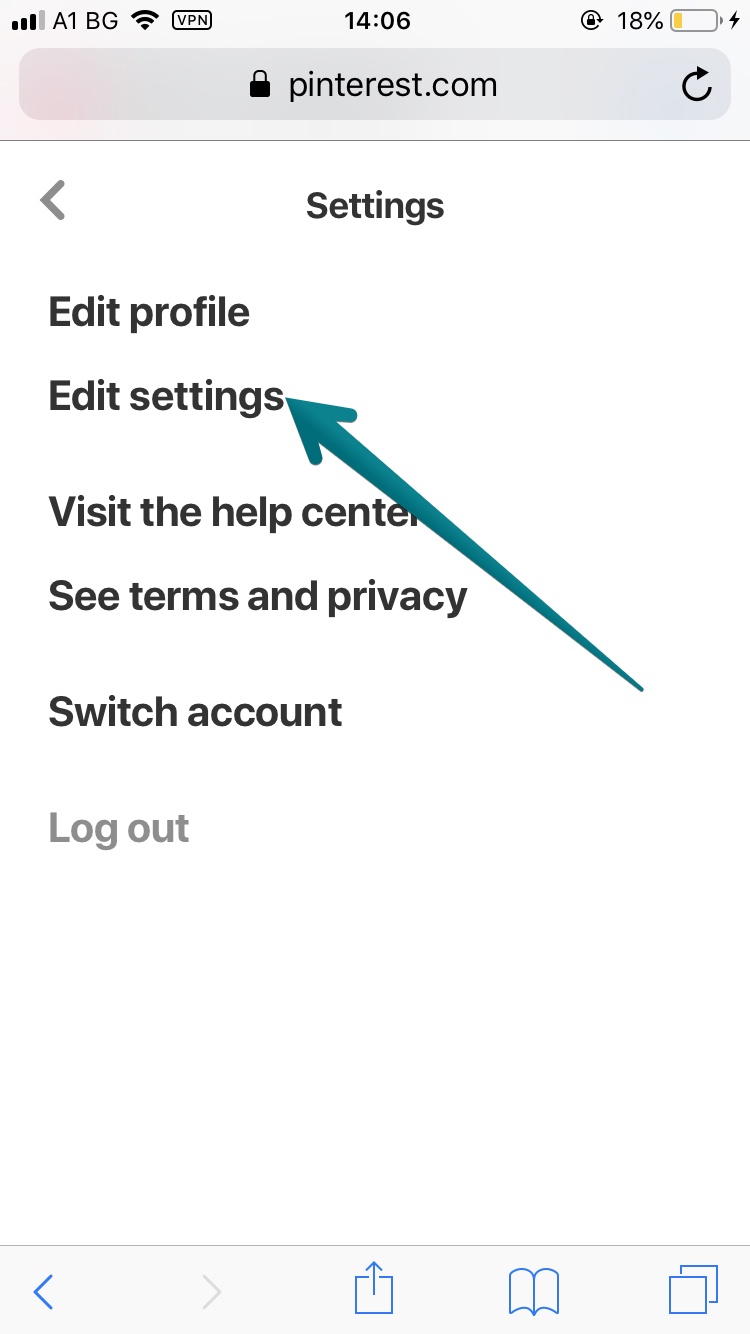
- Open Settings: Once logged in, locate and click on the downward-facing arrow in the top-right corner of the screen. This will open a dropdown menu. From the menu, select “Settings”.
- Navigate to Account Settings: In the settings menu, look for and click on the “Account settings” option, usually located on the left-hand side of the screen.
- Enable Dark Mode: Scroll down within the Account settings until you find the “App appearance” section. Here, you’ll see options for “Light” and “Dark“. Select “Dark” to activate Pinterest dark theme. The page will automatically refresh, displaying the dark mode interface.
Following these simple steps will allow you to quickly and easily enjoy Pinterest’s dark mode on your desktop, reducing eye strain and enhancing your overall browsing experience.
How to Turn On Pinterest Dark Mode on Mobile (iOS & Android)
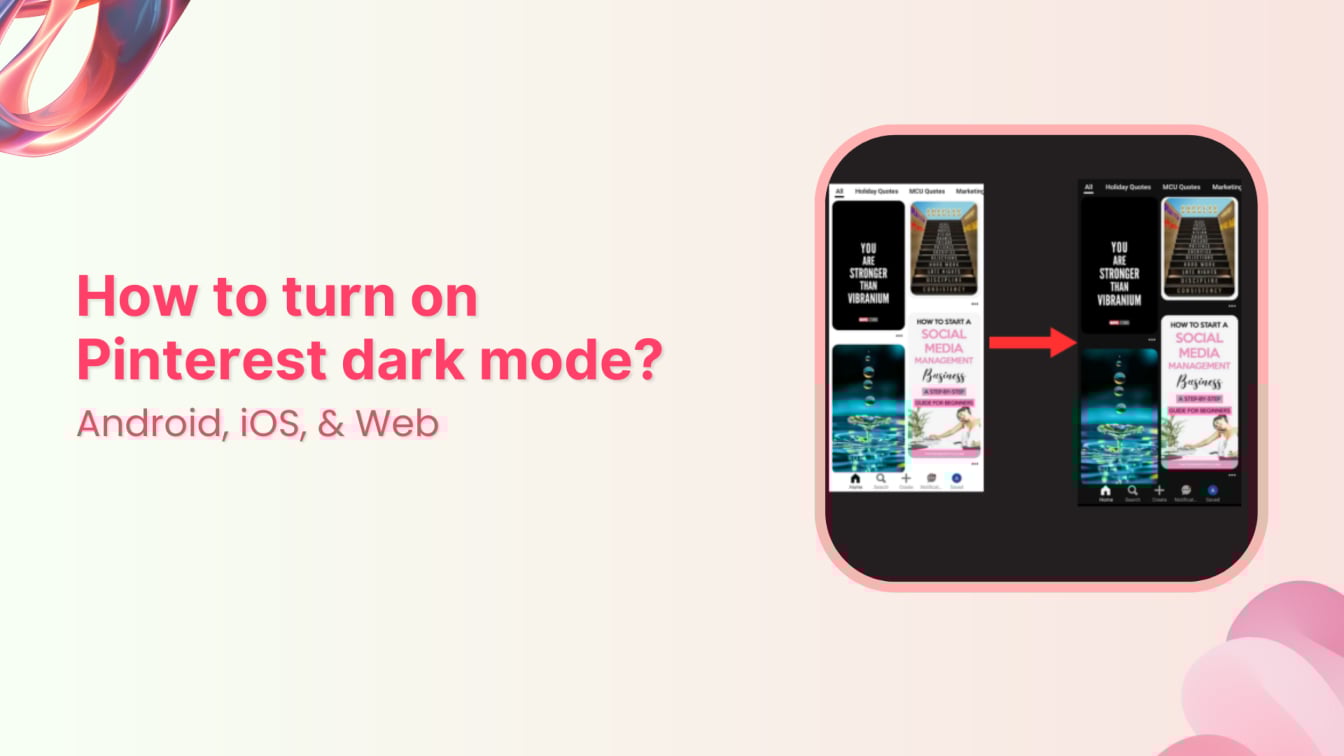
Enabling dark mode on the Pinterest mobile app for both iOS and Android is a straightforward process, significantly improving the viewing experience in low-light conditions and potentially conserving battery life. This feature reduces eye strain and offers a more visually comfortable interface, especially for users who frequently browse Pinterest at night or in dimly lit environments. Understanding the steps to activate Pinterest dark mode on your mobile device ensures you can enjoy a personalized and optimized Pinterest experience.
Here’s a step-by-step guide on how to turn on dark mode within the Pinterest app on both iOS and Android devices:
Open the Pinterest App: Launch the Pinterest application on your iOS or Android device.
Access Your Profile: Tap your profile picture located in the bottom-right corner of the screen.
Open Settings: Look for the three dots “…” in the top-right corner and tap them to open the settings menu.
Select Settings: Scroll down and choose the “Settings” option from the menu.
Find Theme Options: Within the Settings menu, locate and tap on “Theme”. This section controls the appearance of the Pinterest app.
Choose Dark Mode: Here, you’ll typically have three options:
- Light: This keeps the app in its default light theme.
- Dark: Select this to switch the app to dark mode.
- System default: The app will automatically switch between light and dark mode based on your device’s system-wide settings.
After selecting “Dark,” the Pinterest app will immediately switch to dark mode, changing the background to a dark gray or black, and the text to a lighter color for better contrast.
By following these simple steps, you can easily switch to Pinterest dark mode on your iOS or Android device, providing a more comfortable and visually appealing browsing experience.
H2: Troubleshooting: Common Issues with Pinterest Dark Mode (And How to Fix Them)
Encountering issues with Pinterest dark mode is a common frustration for users seeking a more comfortable browsing experience; thankfully, most problems with how to make Pinterest dark mode are easily solvable. Whether it’s an unexpected reversion to the light theme, display glitches, or incompatibility issues, understanding the root cause will guide you to a quick resolution, letting you get back to pinning in comfort. This section outlines some prevalent problems and their corresponding fixes.
One frequently reported issue is dark mode intermittently disabling itself. This often stems from conflicts within your browser’s cache or outdated app versions. To resolve this, clear your browser’s cache and cookies, or update the Pinterest app to the latest version available on your device’s app store. A clean install of the app can also work wonders.
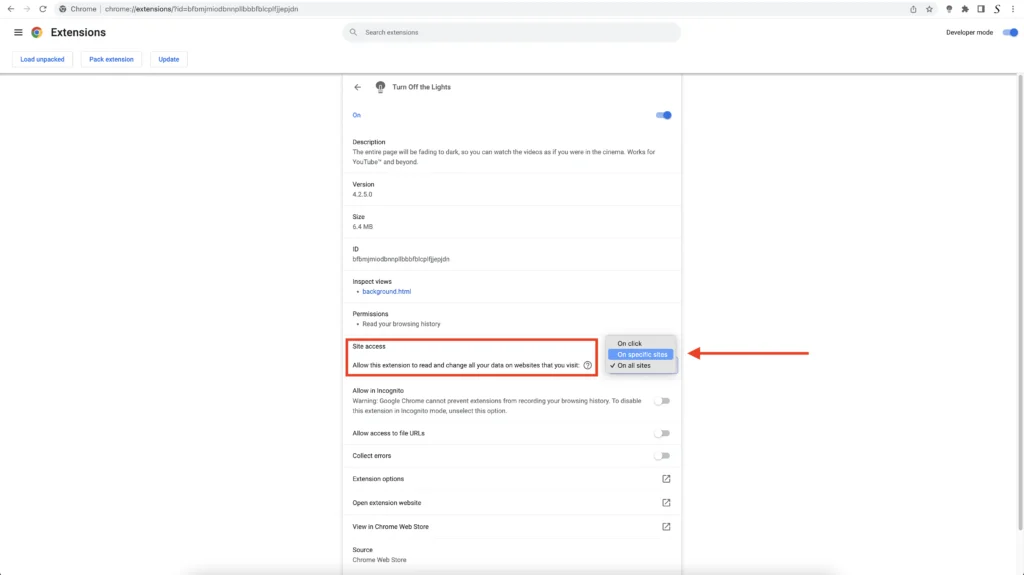
Another common problem revolves around visual inconsistencies. This can manifest as text that’s difficult to read against the dark background, images that appear distorted, or UI elements that don’t properly adapt. This is usually due to browser extensions interfering with Pinterest’s styling. Try disabling any browser extensions, especially those related to themes, ad blockers, or custom styling, and see if that resolves the issue.
Finally, some users report that the Pinterest dark mode setting simply doesn’t appear in their settings menu. This might be due to using an older version of Pinterest, or in some cases, a feature rollout that hasn’t reached your specific account yet. Keep your app or browser updated, and if the issue persists, contact Pinterest support; they may be able to manually enable it for your account.

Dark Mode Extensions for Pinterest: Are They Worth It?
For users seeking a personalized Pinterest dark mode experience beyond the platform’s built-in options, browser extensions offer an alternative, but are these dark mode extensions truly worth the download and potential trade-offs? While the default dark mode provides a system-wide aesthetic shift, extensions often promise greater customization and control, raising the question of whether these benefits outweigh the potential risks and complexities. Understanding the pros, cons, and available alternatives is crucial before opting for a Pinterest dark mode extension.
Many Pinterest users turn to dark mode extensions hoping to fine-tune their browsing experience, but these tools come with both advantages and disadvantages. On the one hand, extensions may offer granular control over color schemes, allowing users to select specific shades for the background, text, and other elements, going beyond the simple on/off switch of Pinterest’s native dark mode. For example, some extensions allow users to schedule dark mode to automatically activate at sunset, mimicking the functionality of system-wide dark mode settings. However, a significant drawback is the potential security risk associated with granting browser extensions access to your browsing data. Many extensions require broad permissions to modify websites, which could be exploited by malicious actors.
When considering dark mode extensions for a site like Pinterest, it’s vital to assess the potential impact on browser performance and security. Some extensions can consume significant system resources, leading to slower page loading times and increased battery drain, particularly on mobile devices. Furthermore, the reliability of extensions can vary greatly, with some being poorly maintained or incompatible with the latest version of Pinterest, potentially leading to display issues or even browser crashes. Therefore, users should carefully evaluate the reputation and reviews of any extension before installing it, paying close attention to the developer’s track record and the permissions requested by the extension.
Before installing a third-party extension to enable Pinterest dark mode, consider the accessibility features already built into Pinterest and your operating system. Pinterest offers its own dark mode option within its settings, which is typically the safest and most reliable way to reduce eye strain while browsing. Additionally, most modern operating systems, such as Windows, macOS, Android, and iOS, offer system-wide dark mode settings that automatically apply to many websites and applications, including Pinterest. Leveraging these native features can provide a similar benefit to extensions without the added risks.
Why Use Pinterest Dark Mode? (And Who Needs It)
Enable Pinterest Dark Mode on Desktop: StepbyStep Guide
How to Turn On Pinterest Dark Mode on Mobile (iOS & Android)
Troubleshooting: Common Issues with Pinterest Dark Mode (And How to Fix Them)
Dark Mode Extensions for Pinterest: Are They Worth It?
Pinterest Accessibility Features Beyond Dark Mode: Improving Your Experience
Beyond offering a sleek dark mode, Pinterest also provides a range of accessibility features designed to create a more inclusive and user-friendly experience for everyone; these features move beyond just visual preferences, aiming to cater to users with diverse needs and preferences, ensuring everyone can enjoy and benefit from the platform, even when you don’t how to make pinterest dark mode. These tools are essential for enhancing usability and creating a welcoming online environment, whether addressing visual, auditory, motor, or cognitive challenges. By leveraging these functionalities, Pinterest strives to make its content accessible and enjoyable for all users.
Pinterest actively integrates several tools that help improve accessibility:
- Screen Reader Compatibility: Pinterest is designed to work with screen readers, which are essential tools for individuals with visual impairments. Screen readers can interpret the text and images on the screen, and then relay the information audibly or via braille displays. This allows users to navigate the platform, explore content, and interact with features, even if they cannot see the screen.
- Keyboard Navigation: For users with motor impairments or those who prefer not to use a mouse, Pinterest offers comprehensive keyboard navigation. This feature allows you to navigate the site using only your keyboard, making it easier to access pins, boards, and settings. Each element is reachable via standard keyboard controls such as Tab, Shift+Tab, Enter, and Arrow keys.
- Alternative Text for Images: Alternative text (alt text) descriptions are incorporated into many images on Pinterest. Alt text provides textual descriptions of images, which are crucial for screen readers and users with visual impairments to understand the visual content. Content creators are encouraged to add descriptive alt text when they upload images to enhance accessibility.
- High Contrast Options: While dark mode itself contributes to visual comfort, Pinterest also supports options for high contrast. These options increase the contrast between text and background elements, making the interface easier to see for individuals with low vision or contrast sensitivity.
By using these accessibility features, you can customize your experience on Pinterest to suit your individual needs, making the platform more accessible and enjoyable.
Customizing Your Pinterest Experience: Beyond Dark Mode Options

Customizing Your Pinterest Experience: Beyond Dark Mode Options
While enabling Pinterest dark mode is a popular way to personalize your browsing, the platform offers a variety of additional customization options to enhance your overall experience beyond just learning how to make Pinterest dark mode. These features allow users to tailor their feeds, notifications, and privacy settings, creating a more personalized and efficient Pinterest journey. Exploring these options helps users get the most out of the platform.
One crucial aspect of customizing your Pinterest experience lies in refining your home feed. Pinterest’s algorithm learns from your interactions, so actively managing your followed topics and boards is key. You can unfollow topics that no longer interest you, and meticulously organize your own saved Pins into relevant boards. This fine-tuning helps Pinterest surface content that aligns perfectly with your current interests and projects, minimizing irrelevant suggestions and maximizing the discovery of inspiring ideas. Regularly curating your follows and boards ensures a feed that remains fresh, engaging, and truly reflective of your evolving preferences.
Beyond feed curation, managing your notification settings is another powerful way to control your Pinterest experience. Pinterest allows you to customize which types of notifications you receive, ranging from updates on saved Pins and board activity to suggestions for new content and collaborations. By carefully selecting the notifications that are most relevant to you, you can minimize distractions and focus on the aspects of Pinterest that you value most. This granular control over notifications ensures you stay informed without feeling overwhelmed by irrelevant updates, leading to a more focused and enjoyable browsing session.
Finally, Pinterest offers robust privacy settings that allow you to control your visibility and data sharing. You can choose to make your profile and boards private, limiting access to only invited collaborators. Additionally, you can adjust your data sharing preferences to control how Pinterest uses your information to personalize your experience and target advertisements. Carefully reviewing and adjusting these privacy settings ensures that your Pinterest experience aligns with your comfort level and data preferences, giving you greater control over your online presence and information. You can also block specific users, report inappropriate content, and manage your connected apps for enhanced security and control.