Is Pinterest Social Media? A Deep Dive Into Visual Social Networking
Is Pinterest social media, or something more? In 2025, understanding its true nature is crucial for businesses and individuals seeking to harness its unique power. This article dives deep into the social media platform’s core functionalities, dissecting its role in visual discovery, e-commerce, and community building. We’ll explore how Pinterest differs from traditional social networks like Facebook and Instagram, examining its search and recommendation algorithms, and ultimately, determining its effectiveness as a marketing channel. Join us as we unpack the essence of Pinterest within the broader landscape of social media.
What is Pinterest and Why is it Considered Social Media? Unveiling the Platform’s Social Features
Pinterest, at its core, is a visual discovery engine, but its integration of social elements firmly positions it as a social media platform. Unlike traditional social networks, its primary function isn’t direct communication between individuals, but rather the sharing and discovery of ideas through images and videos. This visual focus, combined with social features, blurs the line between search engine and social platform.
One of the key reasons Pinterest is considered social media is its emphasis on user interaction and community building. Pinners can follow other users whose tastes align with their own, creating a personalized feed of inspiring content. This following mechanic fosters a sense of community and allows users to discover new ideas and trends through the lens of individuals they trust or admire.
Beyond following, Pinterest offers various social features that encourage engagement.
- Repinning: Users can save Pins they find interesting to their own Boards, effectively sharing them with their followers and contributing to the spread of ideas within the platform.
- Commenting: Pinners can leave comments on Pins, sparking discussions and providing feedback on the content. This allows for direct interaction with creators and other users.
- Direct Messaging: The platform also allows users to send Pins and messages directly to one another, facilitating private communication and collaboration. This feature expands Pinterest beyond pure content discovery and into the realm of direct social interaction.
- Group Boards: These collaborative boards allow multiple users to contribute Pins to a shared collection, making them ideal for planning events, sharing ideas within a group, or curating content around a specific theme.
While Pinterest may not be a social network in the same vein as Facebook or Twitter, its combination of visual discovery and social features makes it a unique and powerful social media platform. The platform empowers users to connect, share, and discover inspiration through a visually driven experience, fostering a sense of community and driving engagement in a way that distinguishes it from traditional search engines.

Here’s the H2 content for your article, focusing on the key differences and advantages between Pinterest and traditional social media platforms, while adhering to SEO best practices and semantic structure:
Pinterest vs. Traditional Social Media: Key Differences and Advantages
While often categorized as social media, Pinterest distinguishes itself from platforms like Facebook, Instagram, and Twitter through its unique focus on visual discovery and inspiration, rather than direct social interaction. Its core function revolves around users discovering, saving, and organizing ideas in the form of visual content, primarily images and videos, thereby offering a fundamentally different user experience compared to the more communication-centric approach of traditional social networks. This focus shapes user behavior and platform functionalities, creating distinct advantages for both personal use and business applications.
One of the key differences lies in the user intent. Traditional social media users primarily connect with friends and family, follow news, and engage in discussions. In contrast, Pinterest users typically seek inspiration, plan projects, and discover new interests. For example, someone might scroll through Facebook to see what their friends are doing, whereas they’d browse Pinterest for home decor ideas or recipes. This intention-driven browsing shapes the content that thrives on each platform.
The content itself also differs significantly. Platforms like Facebook and Twitter prioritize real-time updates, personal stories, and textual posts. Instagram leans heavily on visually appealing photos and short videos showcasing lifestyles and experiences. Pinterest, on the other hand, favors visually engaging content, such as DIY tutorials, infographics, product showcases, and inspirational quotes, that serve as resources for users seeking ideas and solutions. This focus on visual bookmarking and resource gathering sets it apart.
A significant advantage of Pinterest is its longevity and searchability. Unlike fleeting posts on other platforms that quickly disappear in the newsfeed, Pins can continue to be discovered and saved for months or even years. This evergreen nature, combined with Pinterest’s powerful search engine, allows content to drive traffic and engagement long after its initial publication. Furthermore, Pinterest SEO is highly effective. Optimizing pin descriptions and boards with relevant keywords allows content to rank high in search results, reaching a wider audience actively searching for specific ideas and products.
For businesses, this translates to a powerful tool for visual marketing. Brands can leverage Pinterest to showcase their products, drive traffic to their websites, and build brand awareness among a highly engaged audience. According to Pinterest Business, 89% of users are on the platform for purchase inspiration. Unlike traditional social media where advertising can feel intrusive, Pinterest’s inherent focus on discovery makes branded content feel more natural and welcome. This allows businesses like Pin Video Downloader to connect with potential users actively seeking solutions.

Pinterest for Personal Use: Exploring Inspiration, Ideas, and Community
For individuals seeking a visual haven, Pinterest transcends the conventional definition of social media, acting as a powerful platform for personal growth, inspiration, and community building. Unlike platforms primarily focused on social interaction and status updates, Pinterest offers a unique space to discover and curate ideas, fueling creativity and personal projects. This focus on visual discovery and personal organization makes Pinterest a valuable tool for individuals seeking to enhance their lives and explore their passions.
Pinterest’s power lies in its ability to connect users with a vast array of ideas across diverse interests. From home decor and fashion to recipes and travel destinations, Pinterest serves as a digital mood board, allowing users to collect and organize Pins (visual bookmarks) onto thematic Boards. This personalized curation process enables individuals to actively shape their online experience, transforming from passive consumers to active creators and organizers of their own inspiration. The platform also fosters a sense of community by connecting users with shared interests.
Here are some ways Pinterest can be used for personal enhancement:
- Visual Inspiration: Discover new ideas for home decor, fashion, recipes, travel, and more.
- Project Planning: Organize inspiration for personal projects, such as home renovations, DIY crafts, or event planning.
- Skill Development: Find tutorials and resources for learning new skills, such as cooking, photography, or graphic design.
- Goal Setting: Create vision boards to visualize your goals and stay motivated.
- Personal Well-being: Discover mindfulness techniques, fitness routines, and healthy recipes.
Beyond individual inspiration, Pinterest cultivates a sense of belonging through shared passions. Users can follow other pinners, join group boards, and engage in discussions around specific topics. This interconnectedness fosters a supportive environment where individuals can exchange ideas, offer encouragement, and find inspiration from others who share their interests. Ultimately, Pinterest empowers individuals to cultivate their passions, connect with like-minded people, and transform their online experience into a journey of personal growth and discovery, solidifying its place as more than just a typical social media platform.
(Approx. 280 words)
Ready to unlock Pinterest’s full potential for your personal life? Discover the best ways to find inspiration and connect with like-minded individuals.
Pinterest for Business: Leveraging Visual Marketing for Brand Growth and Ecommerce
For businesses aiming to amplify their reach and drive sales, Pinterest presents a powerful platform to leverage visual marketing for brand growth and ecommerce success, going beyond its perception as just another social media site. This visual discovery engine offers unique opportunities that differ significantly from traditional social networks, allowing businesses to connect with potential customers in a highly engaging and visually appealing manner, thereby making Pinterest an invaluable social media marketing tool.
Pinterest’s strength lies in its ability to connect users with inspiring ideas and products, which businesses can capitalize on. By creating visually appealing content, such as product photos, infographics, and lifestyle imagery, businesses can attract users actively searching for inspiration and solutions. This proactive approach positions your brand as a relevant resource, fostering trust and driving conversions. For instance, a home decor brand can showcase room designs using their products, directly linking to product pages for easy purchase.
Furthermore, Pinterest’s features are designed to facilitate ecommerce. Businesses can utilize Shop the Look Pins, Product Pins, and catalogs to seamlessly integrate their products into the platform. Shop the Look Pins allow users to click on individual items within an image, directing them to the product page for purchase. Product Pins provide real-time pricing and availability information, ensuring customers have access to the latest details. And by creating catalogs on Pinterest, brands can turn their product feeds into shoppable Pins, making them easily discoverable by motivated shoppers.
Moreover, Pinterest SEO plays a crucial role in enhancing visibility and driving targeted traffic. Optimizing Pins and boards with relevant keywords ensures that your content appears in search results when users are actively seeking related products or ideas. Utilizing keywords effectively not only improves discoverability but also helps attract a qualified audience genuinely interested in your offerings. Think of a food blogger using keywords like “easy dinner recipes” or “vegetarian meal prep” to connect with users looking for culinary inspiration.
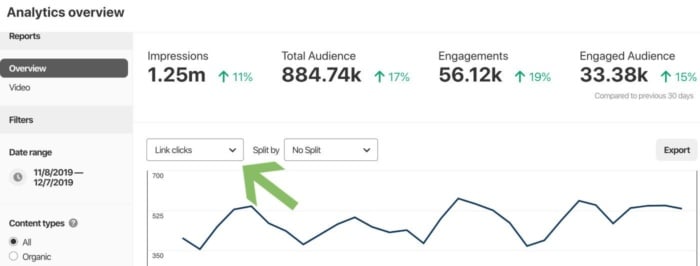
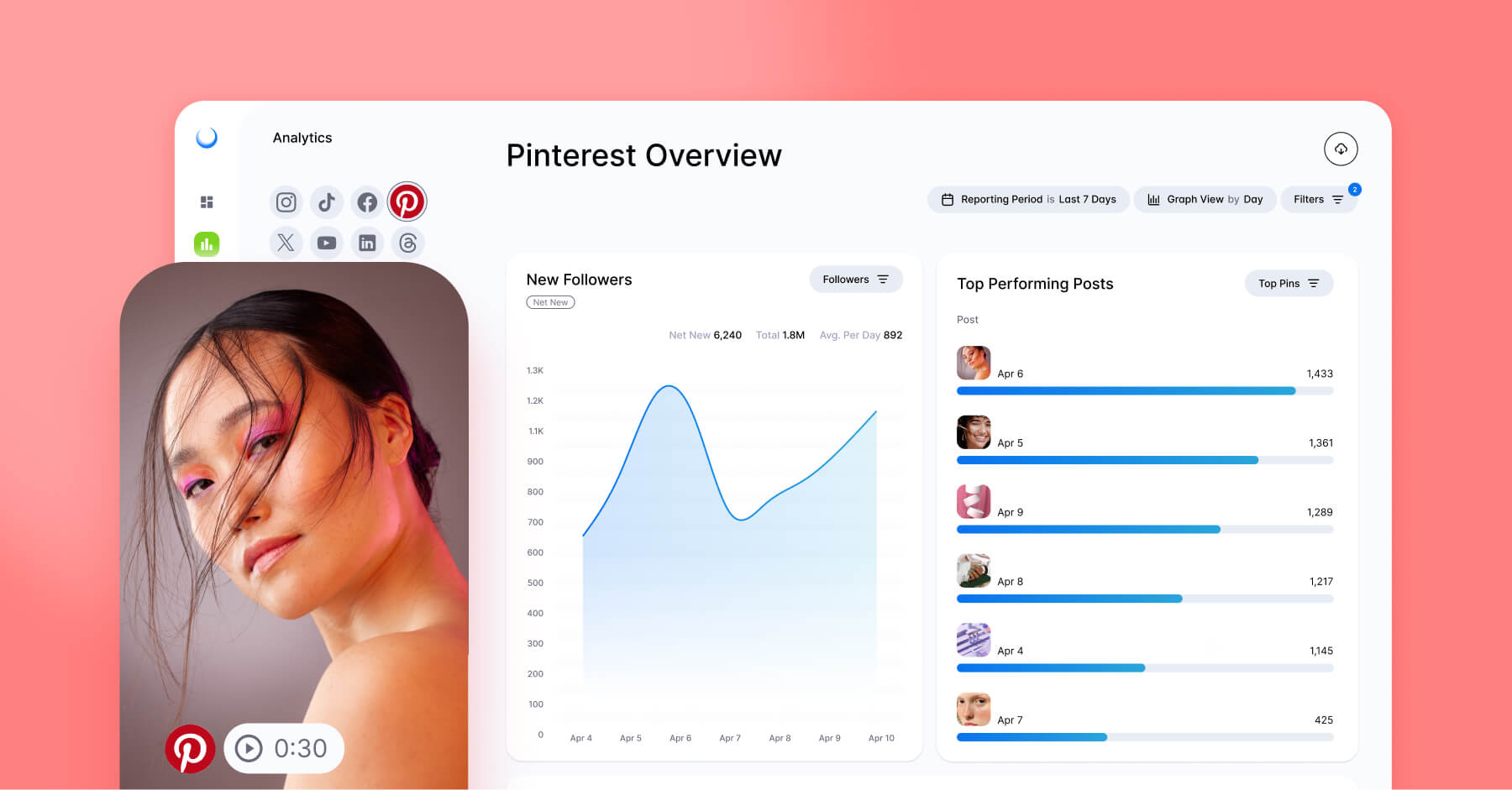
Finally, to harness the full potential of Pinterest for business, it’s crucial to monitor key metrics and analytics. Tracking metrics like Pin impressions, saves, click-through rates, and website traffic provides valuable insights into the effectiveness of your visual marketing efforts. These analytics inform your content strategy, allowing you to refine your approach, optimize Pins for better performance, and ultimately drive greater brand growth and ecommerce success.
Mastering Pinterest SEO: Optimizing Your Content for Discovery and Engagement
Pinterest SEO is crucial for enhancing the visibility of your content, turning inspiration into action, and driving targeted engagement. As Pinterest continues to evolve as a powerful visual discovery engine, understanding and implementing effective SEO strategies is paramount for both personal users seeking inspiration and businesses aiming to expand their reach. This section dives into the essential techniques for optimizing your Pinterest content, boosting its discoverability, and fostering meaningful interactions.
To master Pinterest SEO, focus on optimizing key elements that influence how the platform indexes and ranks your content:
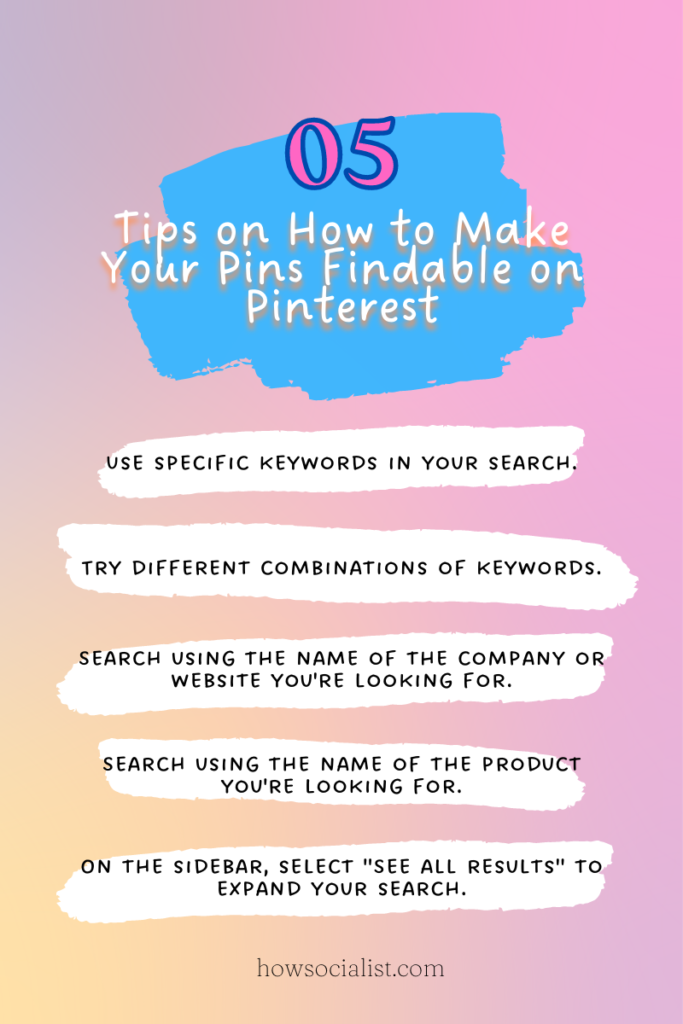
- Keyword Research: Just like with traditional SEO, identifying relevant keywords is the foundation. Use Pinterest’s search bar, Google Keyword Planner, or third-party tools to find high-volume, low-competition keywords related to your niche. Consider long-tail keywords to target specific audiences.
- Profile Optimization: Your Pinterest profile is your digital storefront. Ensure your username, display name, and bio are keyword-rich and accurately reflect your brand or interests. A compelling bio should clearly communicate your value proposition and encourage users to follow you.
- Board Optimization: Create boards that are clearly themed and optimized with relevant keywords. Use descriptive titles and board descriptions to tell Pinterest’s algorithm what your board is about. Group similar Pins together on relevant boards to improve organization and user experience.
- Pin Optimization: Each Pin should be meticulously optimized. Craft engaging titles that incorporate relevant keywords. Write detailed descriptions that provide context, entice clicks, and include a call to action. Use high-quality, visually appealing images or videos that capture attention.
- Alt Text: Alt text is crucial for accessibility and SEO. Write descriptive alt text for each image, using relevant keywords to further explain the visual content to Pinterest’s algorithm.
- Hashtags: Use relevant hashtags in your Pin descriptions to increase visibility. Research popular hashtags in your niche and incorporate a mix of broad and specific hashtags to reach a wider audience.
- Link Building: Link your Pins back to your website or other relevant content. This not only drives traffic but also signals to Pinterest that your content is valuable and trustworthy.
- Rich Pins: Implement Rich Pins to automatically sync information from your website to your Pins. Rich Pins provide real-time pricing, availability, and product details, enhancing user experience and driving conversions.
AI estimates that the content would be approximately 270 words.
Measuring Pinterest Success: Key Metrics and Analytics to Track Your Performance
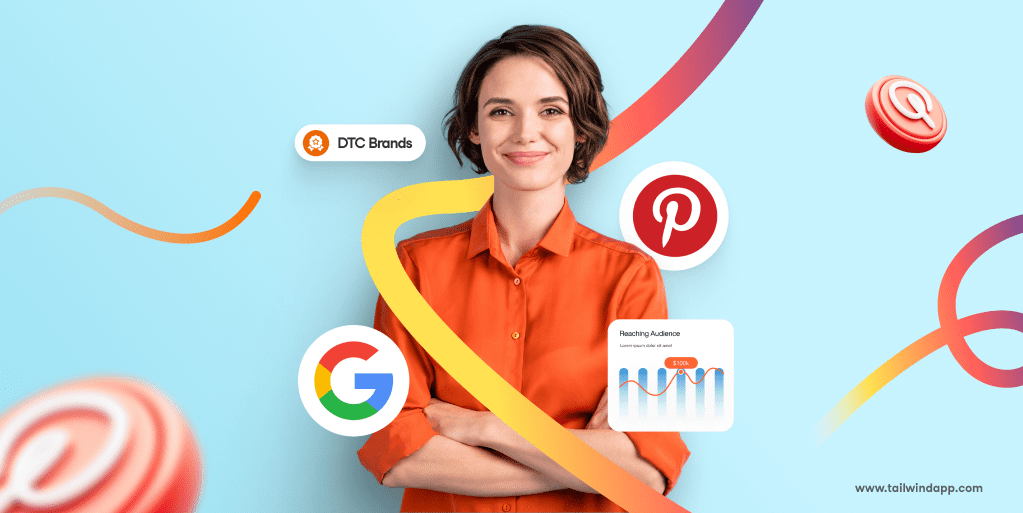
To truly understand the effectiveness of your Pinterest strategy, whether for personal inspiration or business growth, it’s crucial to go beyond simply posting and hoping for the best; you need to actively measure your performance by tracking key metrics and utilizing analytics. Analyzing these data points provides actionable insights into what’s resonating with your audience and where improvements can be made to boost your presence on this visual discovery social media platform, ultimately supporting your goals.
Several metrics paint a comprehensive picture of your Pinterest success. Firstly, impressions, which represent the number of times your Pins are seen, indicate your reach and visibility within the platform. Secondly, engagement metrics such as Pin clicks, saves, and close-ups reveal how users are interacting with your content and whether it’s capturing their interest. Lastly, website traffic generated from your Pins provides a direct measure of how Pinterest is driving visitors to your external site, a vital metric for businesses aiming to convert Pin engagement into tangible results like sales or leads.
For businesses, understanding the return on investment (ROI) of your Pinterest efforts is paramount. This involves tracking key metrics such as conversion rates and sales generated directly from Pinterest. Furthermore, analyzing the performance of different Pin formats (e.g., video Pins, product Pins) and targeting strategies can help you optimize your campaigns for maximum impact. Tools like Pinterest Analytics provide valuable data on audience demographics, interests, and behavior, enabling you to tailor your content to resonate with your target audience and drive conversions. AI Pin Video Downloader, for example, can leverage this data to understand which types of downloadable video content are most popular, informing future content creation.
In essence, consistently monitoring and analyzing your Pinterest data is vital for making informed decisions and refining your strategy over time. By focusing on relevant metrics, utilizing analytics tools, and adapting your approach based on the insights you gain, you can unlock the full potential of Pinterest to achieve your desired outcomes, whether it’s increasing brand awareness, driving website traffic, or boosting sales.

Pinterest Trends and Future Outlook: Emerging Features and the Evolving Social Landscape
As a visual discovery engine rapidly evolving within the social media landscape, Pinterest trends and its future outlook reveal a platform adapting to user needs and technological advancements. This section explores the emerging features and shifts in the social landscape that shape Pinterest’s trajectory. To understand Pinterest’s direction, it’s vital to analyze its recent developments and forecast upcoming changes based on current industry trends. This exploration will help businesses and individuals understand how to leverage the platform effectively.
Pinterest is actively incorporating new technologies, notably AI and machine learning, to enhance user experience and personalize content discovery. One key trend is the increasing emphasis on video content. Pinterest has been investing heavily in improving its video capabilities, including short-form video formats similar to TikTok and Instagram Reels. This allows creators to share engaging tutorials, product demonstrations, and lifestyle content in a dynamic and easily digestible manner. For instance, Pinterest introduced Idea Pins, which allow users to create multi-page video and image content with interactive elements, showing a clear shift towards richer, more immersive experiences.
Another significant trend is the growth of shoppable pins and the integration of e-commerce features. Pinterest is transforming into a more seamless shopping experience, allowing users to purchase products directly from pins. Businesses can now upload catalogs, tag products in their pins, and use dynamic retargeting to reach potential customers who have shown interest in their products. According to Pinterest, users are increasingly using the platform for purchase inspiration, making it a prime destination for e-commerce brands. This trend is expected to continue, with Pinterest likely to expand its partnerships with retailers and introduce new tools to facilitate online shopping.
The platform is also focusing on fostering a more inclusive and positive online community. Pinterest has implemented stricter content moderation policies and invested in AI-powered tools to detect and remove harmful content. Additionally, the platform is promoting diverse creators and content, aiming to reflect the varied interests and backgrounds of its user base. This focus on safety and inclusivity is crucial for maintaining user trust and attracting new audiences.
Looking ahead, Pinterest will likely continue to refine its AI-driven personalization algorithms, providing users with even more relevant and engaging content recommendations. Expect to see more interactive features, such as live shopping events and augmented reality (AR) experiences, that blur the line between online and offline shopping. As AI Video Downloader, it’s crucial to stay abreast of these trends to provide users with effective tools for managing and leveraging Pinterest content. Furthermore, the platform’s ongoing commitment to user privacy and data security will be paramount in shaping its future outlook within the ever-evolving social landscape.
Curious about the future of Pinterest and its evolving social features? Uncover the latest trends and how AI is shaping the platform’s direction.