What Happened To Pinterest? Algorithm Changes, Engagement & Growth Challenges
Here’s an opening paragraph draft, optimized for SEO and user engagement, focusing on practicality and clear information:
(Opening)
Understanding Pinterest’s evolution is crucial for anyone leveraging visual marketing in 2025. This Blog post cuts through the noise to examine what happened to pinterest, dissecting key shifts in its algorithm, user demographics, and business model. We’ll explore the platform’s response to competition from TikTok and Instagram, analyze changes in advertising effectiveness, and provide actionable insights into adapting your Pinterest marketing strategy for optimal results. Finally, we will dive into the future of Pinterest.
Pinterest’s Rise and Fall: A Timeline of Key Events
The story of Pinterest is a fascinating one, marked by rapid growth, strategic shifts, and recent challenges, prompting many to ask what happened to Pinterest. This section provides a timeline of key events that chart Pinterest’s trajectory, from its inception as a visual discovery platform to its current position in the competitive social media landscape.
- 2010: Inception: Pinterest was founded by Ben Silbermann, Evan Sharp, and Paul Sciarra. Initially, it was a closed beta, focusing on a niche group of users.
- 2011: Public Launch & Early Growth: Pinterest launched publicly in March 2010. The platform quickly gained traction, becoming one of the fastest-growing social networks, attracting users with its unique visual approach to content curation.
- 2012: Exploding Popularity: Pinterest’s user base exploded, cementing its status as a major player in social media. Engagement soared, and the platform became a significant driver of referral traffic for businesses.
- 2013-2015: Monetization Efforts Begin: Pinterest started experimenting with monetization strategies, including promoted pins. These efforts aimed to leverage its growing user base to generate revenue.
- 2016-2018: Algorithm Changes & E-commerce Push: Significant algorithm changes were implemented, impacting how content was distributed. Pinterest began a more aggressive push into e-commerce, introducing features like shoppable pins.
- 2019: IPO Launch: Pinterest went public, marking a major milestone for the company. The IPO generated significant buzz but also brought increased scrutiny regarding profitability and user growth.
- 2020: Pandemic Surge: The COVID-19 pandemic led to a surge in Pinterest usage, as people sought inspiration for home projects, recipes, and online shopping.
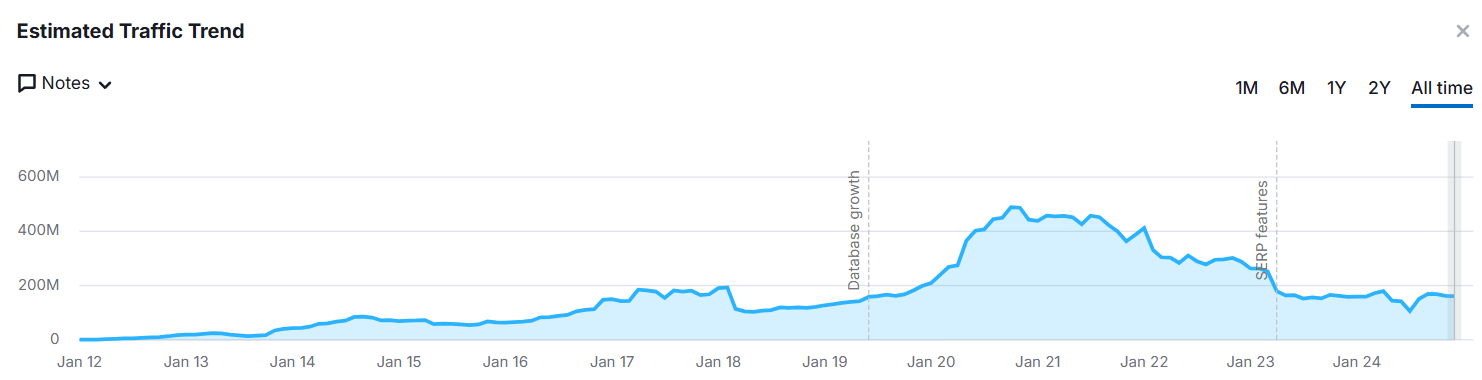
- 2021: User Growth Stalls: User growth began to stagnate, raising concerns among investors about Pinterest’s long-term prospects. The company faced challenges in retaining users gained during the pandemic.
- 2022: Leadership Change & Strategic Reset: Ben Silbermann stepped down as CEO, and Bill Ready took over. The company initiated a strategic reset, focusing on improving user experience and driving monetization.
- 2023-Present: Focus on AI and Shopping: Pinterest is increasingly investing in AI-powered features and enhancing its shopping capabilities, aiming to become a more integral part of the e-commerce ecosystem. This evolution of Pinterest aims to regain user trust and engagement.
The Algorithm Change That Shook Pinterest: What Went Wrong?
The algorithm change implemented by Pinterest became a major turning point, leaving many users and content creators questioning what happened to Pinterest and why their carefully curated content was suddenly losing visibility. This shift in the platform’s underlying mechanism for content discovery dramatically altered the landscape, impacting engagement, reach, and ultimately, the overall user experience. Understanding the specific factors that contributed to the algorithm update’s negative reception is crucial for evaluating Pinterest’s subsequent course corrections and its attempt to regain user trust.
One of the primary issues stemming from the algorithm update was its perceived prioritization of paid content and advertisements over organic posts. Many pinners felt that the platform became overly commercialized, burying genuine and engaging content beneath a barrage of sponsored pins. The shift made it harder for smaller creators and businesses to gain traction, as they lacked the financial resources to compete with larger brands investing heavily in advertising. This disproportionate visibility led to a decline in user satisfaction and a feeling that Pinterest was sacrificing its original mission of visual discovery for short-term financial gains.
Another significant point of contention revolved around the relevance of the content being promoted by the new algorithm. Users reported seeing pins that were unrelated to their interests or search history, leading to a frustrating and unproductive browsing experience. The platform’s attempt to broaden its appeal through algorithmic curation backfired as users began to feel disconnected from the content being displayed. This decrease in content relevance undermined Pinterest’s core value proposition as a personalized visual discovery engine, driving users away and contributing to a perception that Pinterest was losing its understanding of individual user preferences.

Here’s the H2 content, focusing on a semantic SEO approach and adhering to the specific requirements:
From Visual Discovery to ECommerce: Pinterest’s Shifting Strategy
Pinterest’s evolution from a visual discovery platform to a contender in the eCommerce landscape marks a significant strategic shift, driven by the need to enhance user engagement and what happened to pinterest’s profitability. This transition reflects the platform’s attempt to capitalize on its unique ability to inspire purchases, moving beyond simple image curation towards facilitating direct transactions.
This move towards eCommerce involved several key initiatives. Firstly, Pinterest introduced features like ‘Shop the Look’ and ‘Product Pins’, allowing users to directly purchase items featured in pins. Secondly, the platform integrated with various retailers, enabling seamless shopping experiences. These changes aimed to convert visual inspiration into tangible sales, directly addressing investor concerns about monetization.
However, this strategic shift wasn’t without its challenges. Many long-time users valued Pinterest as a source of inspiration and creative ideas, resisting the increased emphasis on shopping. This created a tension between Pinterest’s original mission and its new eCommerce ambitions, potentially alienating its core user base. The platform had to carefully balance its visual discovery roots with the need to generate revenue.
The success of Pinterest’s eCommerce strategy hinges on its ability to maintain a positive user experience. The platform must ensure that shopping features are seamlessly integrated, non-intrusive, and genuinely helpful. By focusing on personalized product recommendations and curated shopping experiences, Pinterest can leverage its visual expertise to create a valuable and engaging eCommerce destination.
Here are some of the initiatives Pinterest adopted:
- Product Pins: Enabled businesses to display real-time pricing, availability, and product information.
- Shop the Look: Allowed users to identify and purchase individual items within lifestyle images.
- Shopping Ads: Provided businesses with new avenues to reach potential customers.
These features represent Pinterest’s efforts to blend visual discovery with seamless purchasing, creating a unique and potentially lucrative eCommerce model. The future success of this strategy will depend on Pinterest’s ability to balance user experience with monetization goals.
Thinking about earning on Pinterest? Discover the potential for monetization and learn how to get paid on Pinterest.
Investor Concerns and Pinterest’s Struggle for Profitability
The path to profitability for Pinterest has been a bumpy ride, leading to investor concerns about the platform’s long-term viability and what happened to Pinterest that hindered its financial performance. This section delves into the specific anxieties surrounding Pinterest’s financial performance, examining the factors that contribute to these concerns, and analyzing the challenges the company faces in achieving sustained profitability. These concerns aren’t simply about short-term gains but reflect deeper questions about Pinterest’s business model and ability to compete in the evolving social media landscape.
One of the primary drivers of investor unease is Pinterest’s struggle to consistently demonstrate robust revenue growth. While the platform boasts a large and engaged user base, monetizing this audience effectively has proven challenging. Several factors contribute to this, including fluctuating advertising revenue, the cost of acquiring and retaining users, and increasing competition in the digital advertising market. For example, during periods of economic uncertainty, advertising budgets are often the first to be cut, directly impacting Pinterest’s revenue streams.
Another significant point of contention revolves around Pinterest’s high operating expenses. As a platform focused on visual discovery and increasingly on e-commerce, Pinterest invests heavily in technology, content moderation, and infrastructure. The company must constantly innovate to maintain user engagement and stay ahead of competitors, leading to significant research and development costs. These expenses, coupled with marketing and sales expenditures, place a considerable strain on Pinterest’s profitability.
Furthermore, Pinterest’s international expansion has been a source of both excitement and worry for investors. While expanding into new markets offers the potential for increased user growth and revenue, it also requires significant investment and carries inherent risks. Navigating diverse cultural landscapes, adapting the platform to local preferences, and competing with established local players can be expensive and time-consuming. Investors carefully monitor the performance of Pinterest’s international ventures to assess their long-term contribution to the company’s bottom line.
Delve deeper into the factors influencing investor confidence: Explore the sentiment surrounding Pinterest’s stock.
Pinterest’s Response: Rebuilding User Trust and Engagement
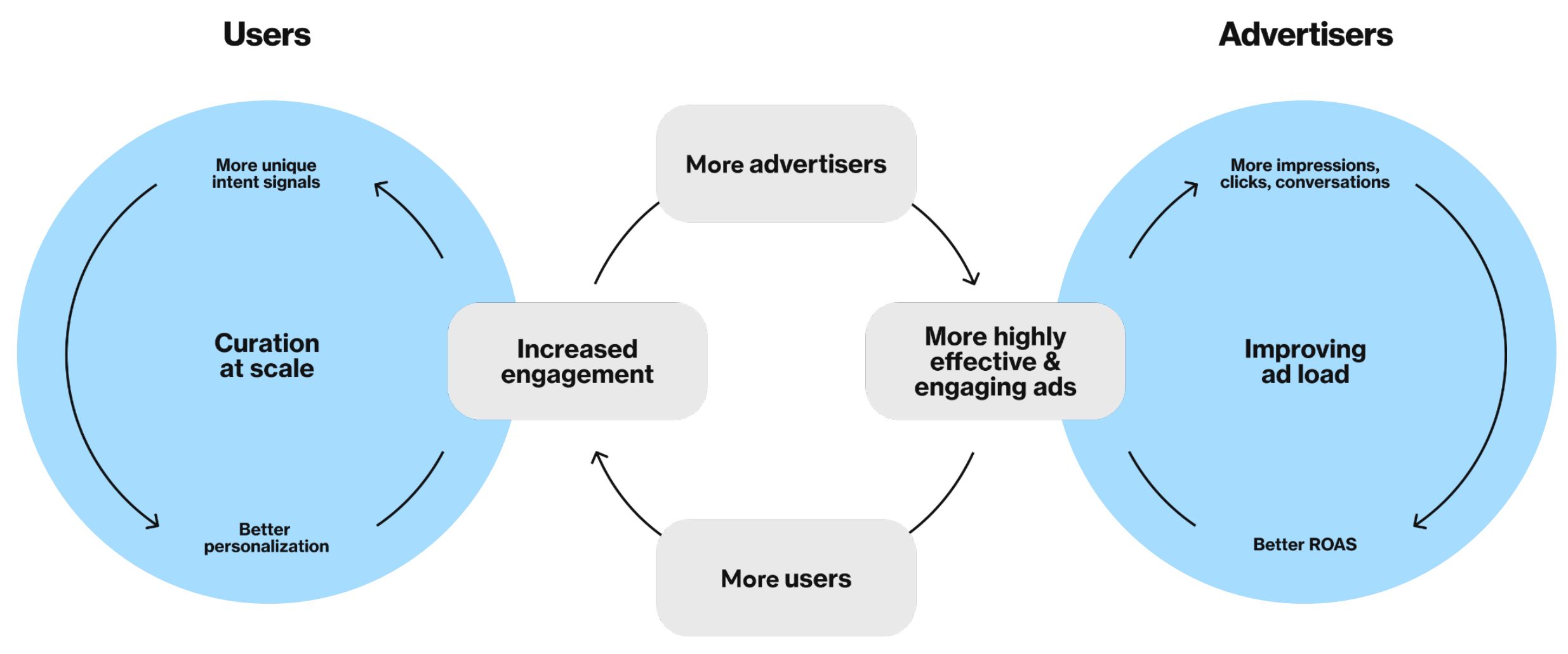
In response to the challenges surrounding algorithm changes and declining user engagement, Pinterest has undertaken several initiatives aimed at rebuilding user trust and engagement. These efforts reflect a strategic shift towards addressing user concerns, refining the platform’s algorithm, and enhancing the overall user experience to recapture its position as a leading visual discovery platform. This is particularly crucial considering what happened to Pinterest in recent years.
One of the key strategies Pinterest employed was focusing on algorithm transparency. The goal was to provide users with a clearer understanding of how content is surfaced and recommended.
- Improved Communication: Pinterest began communicating algorithm updates more proactively through blog posts, help center articles, and in-app notifications. This transparent approach aimed to reduce user frustration and build confidence in the platform’s recommendations.
- Personalization Controls: Pinterest introduced greater control over the types of content users see in their feeds. Users can now fine-tune their interests, block specific accounts or topics, and provide feedback on recommendations they find irrelevant. This increased personalization empowers users to shape their Pinterest experience, leading to higher engagement and satisfaction.
- Enhanced Creator Tools: Recognizing the importance of content creators in driving user engagement, Pinterest invested in enhanced tools and resources for creators. These tools include improved analytics dashboards, new formats for creating engaging content, and increased opportunities for monetization. By empowering creators to produce high-quality, relevant content, Pinterest aimed to revitalize its content ecosystem.
Furthermore, Pinterest has actively worked to combat misinformation and promote a safe and positive environment. These initiatives are crucial for fostering user trust and ensuring the platform remains a valuable resource.
- Stricter Content Moderation: Pinterest strengthened its content moderation policies and enforcement mechanisms to address the spread of misinformation, hate speech, and harmful content. This included leveraging AI-powered tools to identify and remove policy-violating content more efficiently.
- Partnerships with Experts: Pinterest collaborated with leading health organizations, educational institutions, and other experts to provide users with reliable and accurate information on critical topics. This partnership approach helped to address concerns around misinformation and promote evidence-based content.
- Focus on Positivity and Wellbeing: Pinterest launched initiatives focused on promoting mental health, body positivity, and overall wellbeing. These included features such as compassionate search and resources for users struggling with mental health challenges. This emphasis on creating a supportive and inclusive environment further strengthened user trust and loyalty.
The Rise of Competing Platforms: Is Pinterest Losing Its Edge?
The evolving landscape of social media poses a significant challenge to Pinterest’s dominance in visual discovery, as competing platforms emerge and vie for user attention, leading to questions about what happened to Pinterest and whether it’s losing its edge. The rise of visually-driven platforms, coupled with evolving user preferences, necessitates a critical examination of Pinterest’s competitive positioning and its ability to maintain its relevance. The competitive pressures from existing social media giants and specialized visual platforms are impacting the platform’s ability to attract and retain users.
Several platforms have emerged as viable Pinterest alternatives, each catering to specific niches within the visual content space. Instagram, with its focus on curated images and stories, has attracted a large user base seeking visual inspiration. TikTok’s short-form video format has resonated with younger audiences, providing a platform for creative expression and visual storytelling. The increasing popularity of these alternatives presents a formidable challenge to Pinterest’s user base and its ability to maintain its unique value proposition.
The shift in user behavior towards short-form video content has further intensified the competition for visual content platforms. TikTok and Instagram Reels have capitalized on this trend, offering users engaging and easily digestible video snippets. This shift has forced Pinterest to adapt its strategy, incorporating video content and exploring new features to cater to evolving user preferences. Failure to effectively compete in the short-form video space could result in a further erosion of Pinterest’s market share.
The increasing emphasis on e-commerce integration across social media platforms also presents a competitive challenge for Pinterest. While Pinterest has made strides in integrating shopping features, other platforms like Instagram and Shopify have established robust e-commerce ecosystems, streamlining the purchasing process for users. The ability to seamlessly transition from visual discovery to purchase is a key differentiator in today’s competitive landscape, and Pinterest must continuously innovate to remain competitive in this area.

Pinterest Today: Navigating the Future of Visual Social Media
Pinterest, once a haven for visual discovery, now stands at a crossroads, navigating the complexities of the ever-evolving social media landscape and continuously answering the question of what happened to Pinterest. With its focus shifting towards e-commerce and battling emerging competitors, understanding its current position is vital for users and investors alike. The platform’s journey reflects broader trends in online engagement, including increased competition for user attention and the pressure to monetize effectively.
Today, Pinterest is striving to redefine its identity beyond a simple visual bookmarking tool, focusing on becoming a comprehensive lifestyle platform. Key to this transformation is the emphasis on personalized recommendations powered by sophisticated algorithms, aiming to connect users with content aligned to their specific interests and needs. For example, Pinterest is investing heavily in AI and machine learning to deliver more relevant and engaging suggestions, making it easier for users to discover new products, ideas, and creators.
Despite these efforts, Pinterest faces significant challenges in solidifying its position in the visual social media space. The rise of platforms like TikTok, Instagram, and Houzz, each with their own unique strengths and appeal, intensifies the competition for user engagement and advertising revenue. Each platform offers users a new way to seek out new trends. Pinterest is actively working to stay ahead by developing new features and content formats like Idea Pins and short-form videos, in an attempt to keep users engaged.
E-commerce integration remains a central pillar of Pinterest’s future strategy. The platform is increasingly focused on enabling seamless shopping experiences, allowing users to purchase products directly from pins and boards. Strategic partnerships with retailers and brands play a crucial role in expanding Pinterest’s e-commerce ecosystem. This includes features like product tagging, shop tabs on profiles, and shoppable spotlights to transform visual inspiration into tangible sales.
Ultimately, Pinterest’s future hinges on its ability to adapt, innovate, and maintain its unique value proposition in a competitive market. Successfully leveraging its core strengths in visual discovery, while embracing new technologies and evolving user expectations, will be critical for Pinterest to thrive as a leading platform in the age of visual social media.