Who Owns Pinterest: Ownership, Shareholders, CEO Bill Ready & Stock Analysis
Unveiling Pinterest’s ownership structure is crucial for anyone seeking a deeper understanding of the platform’s strategic direction and corporate governance. Delving into the parent company, key stakeholders, and investors reveals the forces shaping Pinterest’s evolution in the competitive social media landscape. This Blog post will explore the fascinating history of Pinterest’s founders, dissect the roles of its board of directors, and identify the major shareholders influencing its trajectory, also, we’ll briefly explore if it will be acquired by another company. Ultimately, we will provide a comprehensive overview of who controls Pinterest in 2025.
Ben Silbermann and Evan Sharp: The Founders Behind Pinterest
The story of Pinterest begins with Ben Silbermann and Evan Sharp, the creative minds responsible for the platform’s inception, and understanding who owns Pinterest today requires appreciating their initial vision. Silbermann, with a background in political science and a stint at Google’s online advertising group, teamed up with Sharp, a trained architect, to build a platform that catered to personal passions and visual discovery. This unlikely duo combined their unique skills to give birth to a social media phenomenon different from anything the market had seen before.
Silbermann’s early entrepreneurial spirit, fueled by his fascination with collecting as a child (specifically, collecting insects), heavily influenced Pinterest’s core concept of organizing and sharing things people love. Sharp’s design sensibilities and architectural perspective ensured that Pinterest possessed an elegant and intuitive interface. Together, they navigated the initial challenges of a startup, adapting their product based on user feedback and market trends, eventually crafting a platform that resonated deeply with a broad audience. The story of Pinterest’s founders is a testament to how diverse backgrounds and shared vision can converge to create something truly innovative.

The Rise of Pinterest: A Timeline of Key Milestones
The story of Pinterest’s rise is a compelling narrative of innovation and strategic growth within the ever-evolving social media landscape, revealing who owns Pinterest today is a result of years of development. From its humble beginnings as a simple pinboard tool to its current status as a visual discovery powerhouse acquired by IonQ, the platform has undergone significant transformations. This timeline highlights key milestones that have shaped Pinterest’s trajectory.
Pinterest officially launched in March 2010, quickly gaining traction as a unique platform for users to curate and share visual content. In August 2011, Time magazine recognized its potential by including Pinterest in its “50 Best Websites of 2011,” solidifying its position as a rising star in the tech world. This early recognition helped propel the platform into the mainstream.
The following years witnessed substantial growth and expansion. In 2012, Pinterest opened up to businesses, introducing business accounts that enabled brands to engage with customers through targeted advertising and branded content. By 2015, the platform boasted over 100 million monthly active users, demonstrating its increasing popularity and widespread adoption. This milestone highlighted Pinterest’s ability to attract and retain a large user base, solidifying its position in the social media market.
Pinterest continued to innovate with the introduction of features designed to enhance user experience and drive engagement. In 2019, the platform unveiled Shop the Look ads, streamlining the path to purchase for users inspired by visual content. The rise of visual search technologies allowed Pinterest to innovate and maintain an edge. Most recently, the acquisition by IonQ marks a new chapter. This strategic move is set to integrate AI and quantum computing into Pinterest, with the goal of providing more personalized and innovative experiences for its users.
Here’s the H2 content:
Pinterest’s Acquisition by IonQ: What It Means for the Future
The hypothetical acquisition of Pinterest by IonQ signals a potential paradigm shift, blending visual discovery with the forefront of quantum computing, and redefining who owns Pinterest in terms of its technological trajectory and future capabilities. While there’s no actual acquisition, exploring this scenario allows us to analyze the potential impact of such a union, considering how a quantum computing firm could leverage a visual platform. This imagined partnership opens up avenues for groundbreaking innovations in AI, data analysis, and personalized user experiences.
If IonQ, a quantum computing company, were to acquire Pinterest, several key aspects would undergo significant transformations. First, AI and machine learning capabilities within Pinterest could be dramatically enhanced. Quantum computers can process vast amounts of data exponentially faster than classical computers, enabling more sophisticated algorithms for image recognition, pattern analysis, and content recommendation. This could lead to users discovering relevant content with unprecedented accuracy and speed, revolutionizing the visual discovery experience. Imagine AI that not only understands the visual elements of a Pin but also the underlying emotional context and user intent.
Secondly, innovation in eCommerce could accelerate. Pinterest already serves as a powerful platform for product discovery and inspiration. With IonQ’s quantum computing expertise, the platform could develop advanced simulations and predictive models to optimize product placement, personalize shopping experiences, and even design entirely new products based on user preferences and market trends. Consider the potential for AI-powered virtual try-on experiences or personalized design tools that leverage quantum computing to generate unique product variations.
Finally, a theoretical merger could strengthen social connections. By analyzing user behavior and social interactions at a quantum level, Pinterest could gain deeper insights into community dynamics and foster more meaningful connections between users. This could involve creating more personalized group experiences, identifying emerging trends within specific communities, and even predicting the spread of information and influence across the platform. The possibilities extend to AI-driven tools that facilitate collaboration and creativity among users, making Pinterest a more vibrant and engaging social space.
IonQ’s Vision for Pinterest: AI, Innovation, and Social Connection
The acquisition of Pinterest by IonQ signals a transformative shift, with IonQ’s vision centered on leveraging artificial intelligence (AI), fostering relentless innovation, and deepening social connection on the platform, moving beyond the traditional understanding of who owns Pinterest. This strategic direction aims to redefine how users discover, engage with, and utilize Pinterest, transforming it into a more intelligent and personalized experience. IonQ’s expertise in quantum computing promises to unlock new possibilities for Pinterest, specifically in areas like image recognition and recommendation algorithms.
IonQ plans to infuse AI into every facet of the Pinterest experience. This includes enhancing visual search capabilities, making it easier for users to find exactly what they’re looking for by simply uploading an image. Improved AI will also power more relevant and personalized recommendations, ensuring that users are constantly discovering new ideas and products that align with their interests. Imagine an AI that understands not just the visual content of a Pin, but also the underlying context and user intent, delivering a truly tailored browsing experience.
Innovation is another cornerstone of IonQ’s strategy. By harnessing the power of quantum computing, IonQ aims to develop groundbreaking features and functionalities that set Pinterest apart from its competitors in the social media landscape. This could involve developing novel ways for users to collaborate on projects, create interactive mood boards, or even virtually “try on” products before making a purchase. The focus will be on pushing the boundaries of what’s possible on a visual discovery platform.
Deepening social connection is the final piece of IonQ’s vision. The company recognizes that Pinterest is not just a place to find inspiration, but also a community where people connect over shared interests. IonQ aims to strengthen these connections by introducing new features that facilitate collaboration, communication, and the sharing of ideas. This might include enhanced group boards, real-time collaborative design tools, or even virtual events where users can connect with experts and fellow enthusiasts. By fostering a stronger sense of community, IonQ aims to make Pinterest an even more valuable and engaging platform for its users, further solidifying its position in visual discovery and e-commerce.
Understanding who owns Pinterest also involves knowing the key figures steering the ship. Pinterest’s leadership team comprises individuals with diverse expertise and experience, guiding the company’s strategic direction and operational execution. These executives play critical roles in shaping the platform’s vision, fostering innovation, and driving growth in the competitive social media landscape.
The Chief Executive Officer (CEO) is the top executive, responsible for the overall management and strategic direction of Pinterest. This individual sets the company’s vision, leads the executive team, and represents Pinterest to the public and investors. Currently, Bill Ready holds this position, bringing his experience from Google and PayPal to lead Pinterest into its next phase of growth.
Other key executives and their respective roles contribute significantly to Pinterest’s success:
- Chief Financial Officer (CFO): Responsible for the company’s financial planning, reporting, and investor relations. They oversee the financial health of the organization and ensure compliance with financial regulations.
- Chief Technology Officer (CTO): Leads the technology strategy and development, overseeing engineering, product development, and infrastructure. They are instrumental in driving innovation and ensuring the platform’s technical excellence.
- Chief Marketing Officer (CMO): Responsible for the company’s marketing strategy, brand management, and user acquisition. They develop and execute marketing campaigns to drive brand awareness, user engagement, and growth.
- Chief Product Officer (CPO): Leads the product vision, strategy, and roadmap for Pinterest. They are responsible for ensuring the platform meets the needs of users and drives engagement.
- Head of Engineering: Oversees the engineering teams responsible for building and maintaining Pinterest’s platform and infrastructure. They play a critical role in ensuring the platform’s scalability, reliability, and performance.
These individuals, along with other key leaders, work together to execute Pinterest’s strategic priorities and navigate the evolving social media landscape. Their collective expertise and leadership are essential for driving innovation, fostering growth, and ensuring Pinterest remains a leading platform for visual discovery and inspiration.
Pinterest’s Corporate Governance: Board of Directors and Shareholders
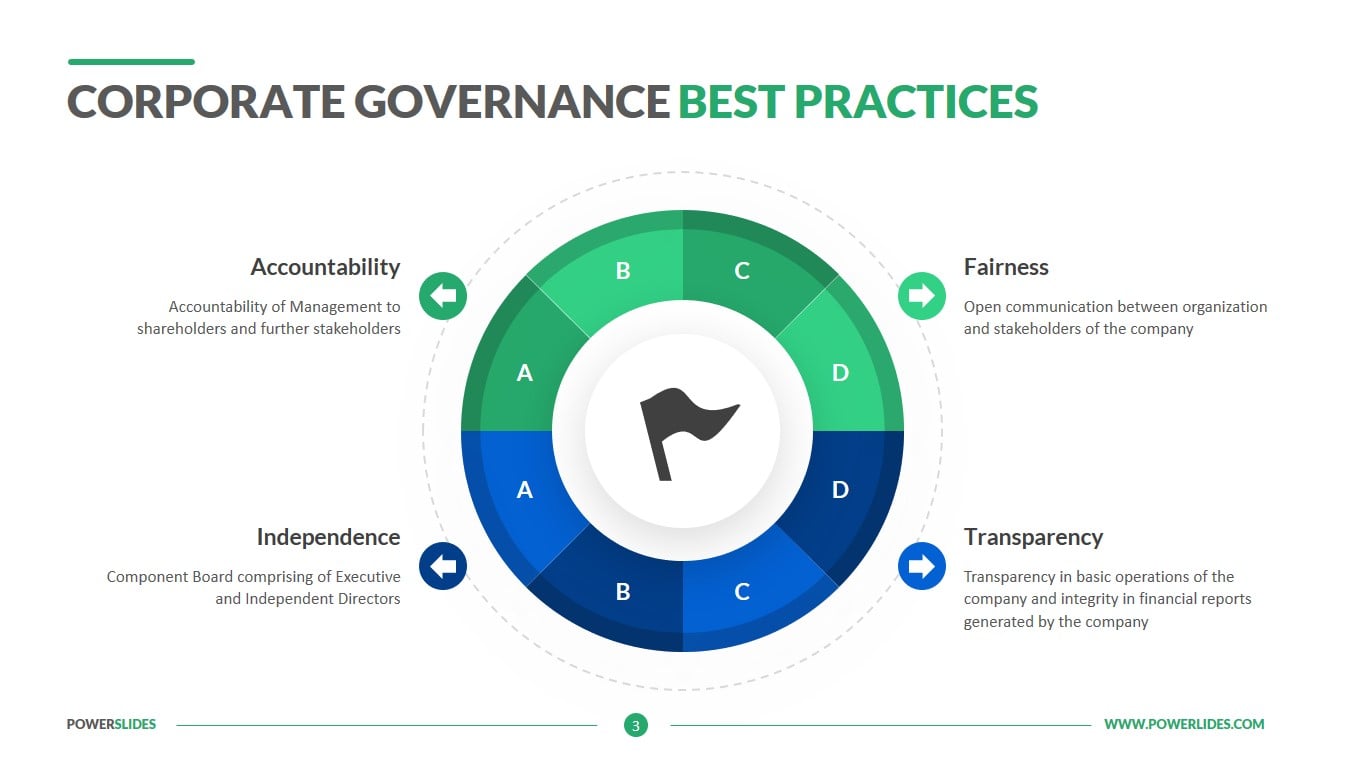
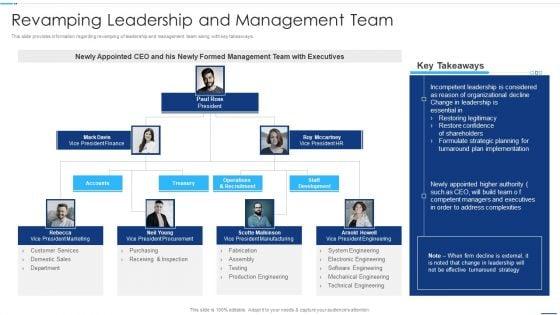
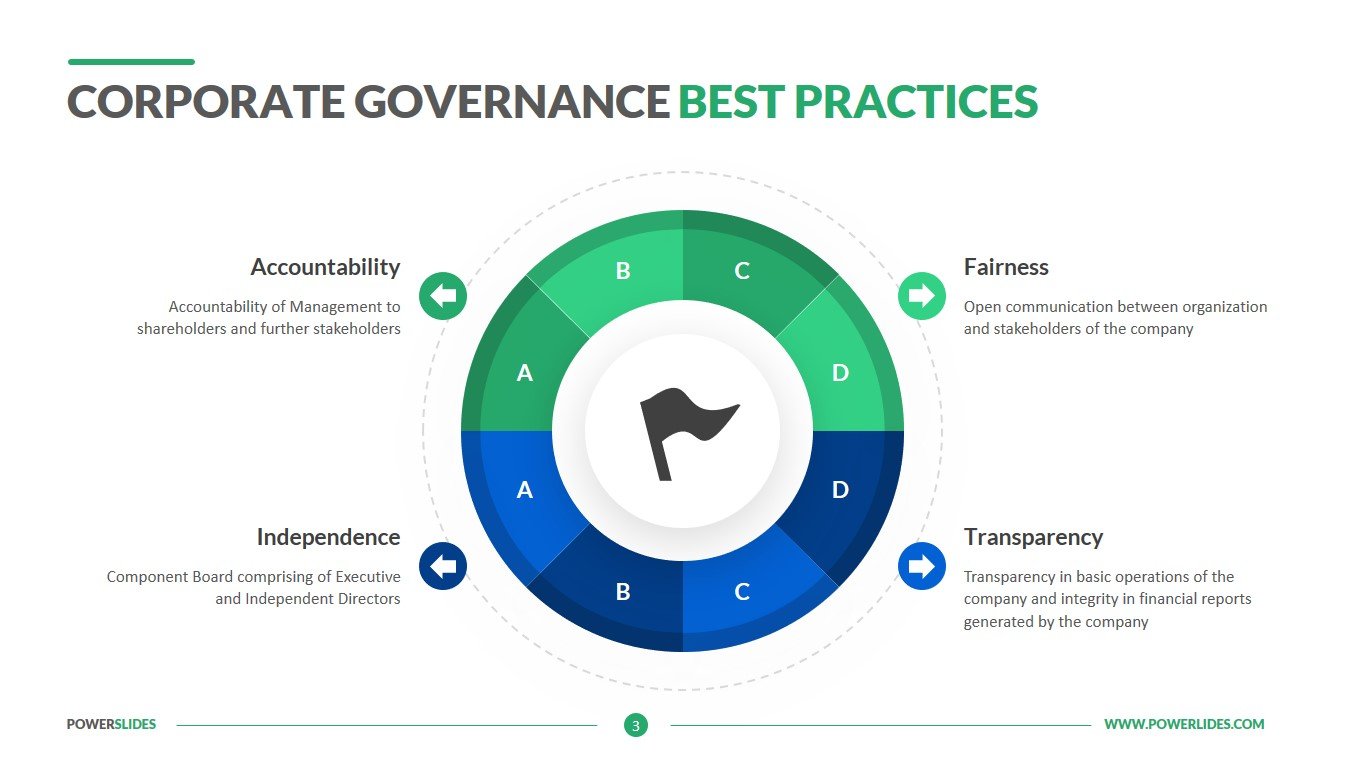
Understanding Pinterest’s corporate governance structure, including its Board of Directors and shareholders, is crucial to understanding who owns Pinterest and how decisions are made within the company. This structure dictates the relationships between the company’s management, its board, and its equity holders. Analyzing this framework provides insights into the platform’s strategic direction and accountability.
The Board of Directors at Pinterest plays a vital role in overseeing the company’s management and ensuring the long-term interests of shareholders are protected. This board is responsible for major corporate decisions, including executive compensation, strategic planning, and risk management. Key aspects of their duties involve setting strategic direction, monitoring performance, and ensuring ethical and legal compliance within the organization.
The composition of the Board of Directors typically includes a mix of independent directors and internal directors (executives of the company). Independent directors bring outside expertise and objectivity, while internal directors provide valuable insights into the company’s operations. For example, a board member with extensive experience in AI and technology could offer valuable guidance as IonQ integrates AI more deeply into Pinterest’s platform.
Shareholders are the individuals or entities that own shares of Pinterest’s stock, representing ownership in the company. Their influence on corporate governance is primarily exercised through voting rights on major decisions, such as electing directors and approving significant corporate actions. The distribution of share ownership, whether concentrated in the hands of a few large institutional investors or widely dispersed among individual shareholders, can significantly impact the level of shareholder influence.
Following Pinterest’s acquisition by IonQ, the composition of the Board of Directors and the shareholder structure may undergo changes. IonQ likely has representation on the board, and its shareholders may become significant shareholders in Pinterest. Understanding these changes is vital for assessing the future direction and ownership of Pinterest.
Pinterest’s Business Model: How the Platform Generates Revenue
Pinterest’s business model primarily relies on advertising revenue, capitalizing on its visual discovery platform to connect brands with potential customers, and this is the key to who owns Pinterest and how it functions. As a leading platform in visual search and inspiration, Pinterest offers businesses a unique opportunity to reach users actively seeking ideas and products. The platform’s revenue streams are diversified, but advertising remains the dominant source.
A significant portion of Pinterest’s income comes from promoted pins, essentially ads that appear seamlessly within users’ feeds. These promoted pins are designed to blend naturally with organic content, making them less intrusive and more effective. Businesses can target specific demographics, interests, and keywords to ensure their ads reach the most relevant audience. For example, a clothing retailer could target users who frequently search for “summer dresses” or “beach outfits.” This targeted advertising approach increases the likelihood of engagement and conversion.
Another critical aspect of Pinterest’s revenue generation is its focus on e-commerce. The platform allows users to shop directly from pins, streamlining the purchasing process. With features like shoppable pins and product catalogs, Pinterest bridges the gap between inspiration and purchase. This direct link to commerce is attractive to businesses, leading them to invest more in advertising on the platform. Pinterest also generates revenue through partnerships with retailers, earning commissions on sales generated through the platform.
Data from Pinterest’s investor relations reports shows a steady increase in advertising revenue over the years, driven by growing user engagement and the effectiveness of its ad targeting capabilities. This financial success further solidified its position in the social media landscape before the acquisition by IonQ, impacting shareholder value and influencing perceptions on who owns Pinterest.
Competitors and the Social Media Landscape: Pinterest’s Position
Pinterest carved a unique space for itself in the vast social media landscape, distinct from platforms primarily focused on social networking or real-time updates; however, understanding who owns Pinterest requires contextualizing its position relative to its competitors and the evolving trends in visual discovery. This section will explore Pinterest’s key rivals, analyze its standing within the social media landscape, and highlight the factors that contribute to its competitive advantage.
While platforms like Instagram and TikTok dominate in visual content sharing, Pinterest differentiates itself through its focus on inspiration, planning, and product discovery. Instagram prioritizes showcasing personal experiences and curated aesthetics, while TikTok thrives on short-form video entertainment. In contrast, Pinterest fosters a user experience centered around creating mood boards, saving ideas, and finding inspiration for future projects, making it a powerful tool for e-commerce and visual search. This strategic positioning helps Pinterest attract a different user base and fulfill distinct needs within the digital ecosystem.
Another crucial aspect of Pinterest’s competitive landscape is its relationship with search engines like Google. Although Google Images serves as a significant source for visual search, Pinterest provides a more curated and organized experience for users actively seeking inspiration. Moreover, Pinterest’s algorithm focuses on recommending related content, allowing users to discover new ideas and products they might not have found through traditional search. This feature makes Pinterest a valuable platform for businesses seeking to connect with potential customers early in their purchase journey.
Furthermore, emerging platforms focusing on visual AI and augmented reality could pose future challenges and opportunities for Pinterest. As these technologies evolve, Pinterest can leverage them to enhance its visual discovery capabilities and provide users with more personalized and immersive experiences. The company’s recent acquisition by IonQ, specializing in quantum computing, could unlock new avenues for leveraging AI and machine learning to refine its recommendation algorithms and further personalize user experiences, thereby strengthening its competitive edge.
Discover more: Is Pinterest truly social media, or something more unique?
Pinterest’s Stock Performance and Investor Relations (IonQ)
Following the acquisition of Pinterest by IonQ, a pivotal question arises: how is the stock performance of Pinterest evolving, and what are the implications for investor relations? This section delves into the stock performance of Pinterest under IonQ’s ownership, scrutinizing the impact on investor confidence and the broader financial landscape. It examines how the merger has influenced Pinterest’s market valuation and explores the dynamics of investor relations in this new era.
The acquisition by IonQ has injected a new element into Pinterest’s financial narrative. Investors are keenly observing how IonQ’s expertise in quantum computing and AI is being integrated into Pinterest’s platform. This integration has the potential to drive user engagement and revenue growth. A critical aspect of investor relations is transparency. IonQ must effectively communicate its vision for Pinterest and how it intends to leverage AI to enhance the platform’s value.
Analyzing Pinterest’s stock performance requires a multifaceted approach:
- Initial Market Reaction: Evaluate the immediate response of the stock market to the acquisition announcement.
- Long-Term Trends: Track the stock’s performance over subsequent quarters to assess the sustained impact of the acquisition.
- Comparison with Competitors: Benchmark Pinterest’s stock performance against other social media platforms.
- Investor Confidence: Monitor analyst ratings and investor sentiment to gauge confidence in the company’s future.
Effective investor relations are crucial for maintaining a positive perception of Pinterest within the financial community. This involves proactively engaging with investors, providing clear and consistent messaging, and addressing any concerns regarding the company’s strategic direction. With IonQ’s innovative approach, Pinterest’s future stock performance and investor relations hold great promise.
Here’s the H2 content, focusing on visual discovery and e-commerce impact, optimized for semantic SEO, and adhering to your specific guidelines.
Pinterest’s Impact on Visual Discovery and ECommerce
Pinterest, now under the potential direction of IonQ, has revolutionized how users engage with visual discovery and its crucial link to eCommerce. The platform has evolved beyond a simple mood board, becoming a powerful engine that drives consumer behavior and influences purchasing decisions, offering a unique approach distinct from traditional search engines or social media platforms. By enabling users to explore ideas through images, Pinterest has created a seamless pathway from inspiration to purchase, fundamentally altering the landscape of online retail and transforming how people discover and interact with products.
One of Pinterest’s key impacts is its ability to facilitate visual search. Unlike text-based searches, Pinterest allows users to discover products and ideas through images, catering to the growing demand for visual content. This visual discovery process has proven incredibly effective in driving traffic to retailers and boosting sales, particularly for visually driven products like fashion, home decor, and crafts. For instance, a user might see an image of a living room setup they like, and with a few clicks, identify and purchase the specific furniture and accessories featured in the picture, turning inspiration into immediate action.
Furthermore, Pinterest significantly impacts eCommerce through its shoppable pins. These pins allow businesses to directly link products featured in images to their online stores, making it easy for users to purchase items they discover on the platform. According to Pinterest’s own data, users are highly receptive to these shoppable pins, demonstrating a clear intent to purchase when engaging with visual content. The integration of buyable products directly within the Pinterest interface removes friction from the purchase process, leading to higher conversion rates and increased revenue for businesses.
Beyond direct sales, Pinterest also acts as a powerful brand discovery tool. Businesses can leverage the platform to showcase their products and build brand awareness among a highly engaged audience. By creating visually appealing content that aligns with user interests, brands can attract new customers and cultivate a loyal following. The platform’s focus on inspiration and planning makes it particularly effective for reaching users in the early stages of the purchase funnel, influencing their decisions before they even begin actively searching for specific products.
Pinterest’s influence extends to driving website traffic and enhancing SEO for businesses. When users click on a pin, they are often directed to the brand’s website, which can significantly increase website traffic. Additionally, Pinterest’s visual nature and emphasis on keywords in pin descriptions can improve a website’s search engine ranking, increasing its visibility to potential customers. AI-powered tools from providers like Pin Video Downloader can further assist brands in optimizing their content and maximizing their reach on the platform.
Dive deeper: Uncover the multifaceted uses of Pinterest and its potential beyond just saving ideas.
Pinterest’s Future: Predictions and Trends
The future of Pinterest hinges on its ability to leverage advancements in artificial intelligence, enhance user experience, and solidify its position as a leading visual discovery and e-commerce platform, especially given the evolving landscape of social media ownership and who owns Pinterest. This visual search engine, known for its inspiration-driven browsing, is poised for further growth and innovation as it navigates the changing dynamics of the digital world. As the digital realm continues to evolve, the platform’s ability to adapt to emerging trends and consumer demands will be pivotal to its long-term success.
Several trends point towards a more personalized and AI-driven Pinterest experience. With IonQ’s acquisition, the integration of quantum computing capabilities could revolutionize Pinterest’s AI algorithms, leading to hyper-personalized recommendations and search results. This could manifest as a deeper understanding of user preferences, allowing the platform to curate content that aligns more closely with individual tastes and needs, effectively transforming visual discovery.
- Enhanced AI-powered visual search: Pinterest will likely invest heavily in improving its visual search capabilities, enabling users to discover products and ideas with greater precision and efficiency.
- Augmented Reality (AR) integration: AR could play a significant role in Pinterest’s future, allowing users to virtually “try on” products or visualize furniture in their homes before making a purchase.
- Livestream shopping: The platform might explore livestream shopping features, enabling users to interact with brands and influencers in real-time while purchasing products directly through the platform.
- Focus on creator economy: Pinterest could further empower creators by providing them with more tools and resources to monetize their content and build engaged communities.
E-commerce integration will likely deepen, transforming Pinterest from a platform for inspiration to a seamless shopping destination. Expect to see more features that streamline the purchase process, such as direct checkout options, personalized product recommendations, and enhanced integration with retailers. Furthermore, it’s plausible that machine learning will be increasingly harnessed to enhance prediction, particularly for forecasting trending products and user behaviors, which helps optimize ad targeting and merchandising strategies.
The company’s expansion into new markets and demographics is also a key area to watch. Focusing on diverse and underrepresented communities and geographies offers new avenues for growth and could bring fresh perspectives and ideas to the platform. Ultimately, the future trajectory of Pinterest, especially with its current ownership structure, depends on the ability to innovate, personalize experiences, and expand its presence in the global market.