What Is Pinterest Used For? Visual Inspiration, Planning & Idea Discovery
Navigating the world of social media can be overwhelming, but understanding Pinterest is crucial for unlocking its potential. This visual discovery engine offers a unique platform for inspiration, planning, and even driving business growth. Delve into this comprehensive guide to discover what Pinterest is used for, exploring its diverse applications from visual search and idea organization to e-commerce and marketing. Whether you’re seeking creative inspiration, planning your next project, or aiming to boost your online presence, this Blog post will equip you with the knowledge to harness the power of Pinterest effectively, covering key aspects like creating boards, saving Pins, and understanding Pinterest analytics for optimal results in 2025.
Pinterest: A Visual Discovery Engine for Inspiration and Ideas
Pinterest serves as a visual discovery engine where users unearth inspiration and novel concepts, distinguishing itself from conventional social media platforms. This engine empowers individuals to actively seek and discover ideas related to a multitude of interests, effectively using what is pinterest used for as a springboard for creative exploration rather than passively consuming content.
Pinterest operates as a powerful catalyst for sparking creativity across diverse domains. Unlike platforms primarily focused on social interaction, Pinterest centers on visual content that inspires action, whether it’s planning a home renovation, discovering a new recipe, or seeking fashion inspiration. Users can create boards to organize and curate these ideas, effectively building personalized visual collections that reflect their interests and aspirations. This visual nature promotes quick comprehension and retention of information, facilitating the discovery process.
The platform’s visually-driven approach, coupled with its robust search and recommendation algorithms, enables users to find inspiration even when they don’t have a specific idea in mind. For instance, browsing categories such as “Home Decor” or “Travel Destinations” can unveil a wealth of visual content, leading to the discovery of new styles, locations, and products. Furthermore, Pinterest’s algorithm learns from user activity, providing increasingly relevant suggestions over time, making it an indispensable tool for anyone seeking creative fuel and innovative solutions.

Ready to share your own amazing finds? Learn how to post on Pinterest and inspire others with your unique perspective.
Unveiling the Core Uses of Pinterest: Beyond Social Media
Pinterest distinguishes itself from traditional social media platforms by functioning as a visual discovery engine, rather than solely focusing on social interaction. While platforms like Facebook and Instagram prioritize connecting with friends and sharing personal updates, what is pinterest used for centers around inspiring users with visual content and helping them discover new ideas, products, and projects. This distinction is crucial to understanding its core functionalities and how it serves a unique purpose in the digital landscape.
Unlike social media platforms that emphasize real-time updates and social networking, Pinterest emphasizes visual search and curation. Pinterest’s core uses lie in its ability to empower users to explore diverse interests through images and videos, which are then “pinned” to personalized boards, effectively creating visual collections of ideas. The platform’s emphasis on discovery and inspiration sets it apart, offering users a unique space to plan projects, discover products, and learn new skills.
The platform is more akin to a visual search engine and a personalized scrapbook. Consider the analogy of a traditional scrapbook filled with magazine clippings, fabric swatches, and paint samples—Pinterest essentially offers a digital and vastly expanded version of this. Users create boards to organize their “pins” (visual bookmarks), allowing them to gather inspiration for everything from home décor and recipes to travel destinations and fashion trends. This focus on visual curation, distinct from the social networking features of platforms like Twitter or TikTok, highlights Pinterest’s primary function as a tool for personal discovery and project planning. The AI capabilities of tools like Pin Video Downloader further enhance this experience by allowing users to easily save and repurpose video content found on the platform.
Pinterest’s visual nature lends itself exceptionally well to specific applications that go beyond simple social sharing. Users leverage the platform to create mood boards for interior design projects, compile recipes for meal planning, and gather resources for DIY crafts. Businesses, in turn, utilize Pinterest as a powerful marketing tool to showcase their products and drive traffic to their websites. By focusing on visually appealing content and strategic keyword placement, businesses can effectively reach a highly engaged audience actively seeking inspiration and new ideas.
Finding Inspiration and New Ideas on Pinterest
Pinterest, functioning as a visual discovery engine, is a treasure trove for those seeking inspiration and new ideas. Unlike traditional social media platforms, Pinterest emphasizes visual content and organization, making it an ideal space to spark creativity across diverse interests and projects. This makes understanding what is Pinterest used for crucial in today’s digital landscape. Pinterest facilitates a unique approach to discovering, curating, and ultimately bringing ideas to life.
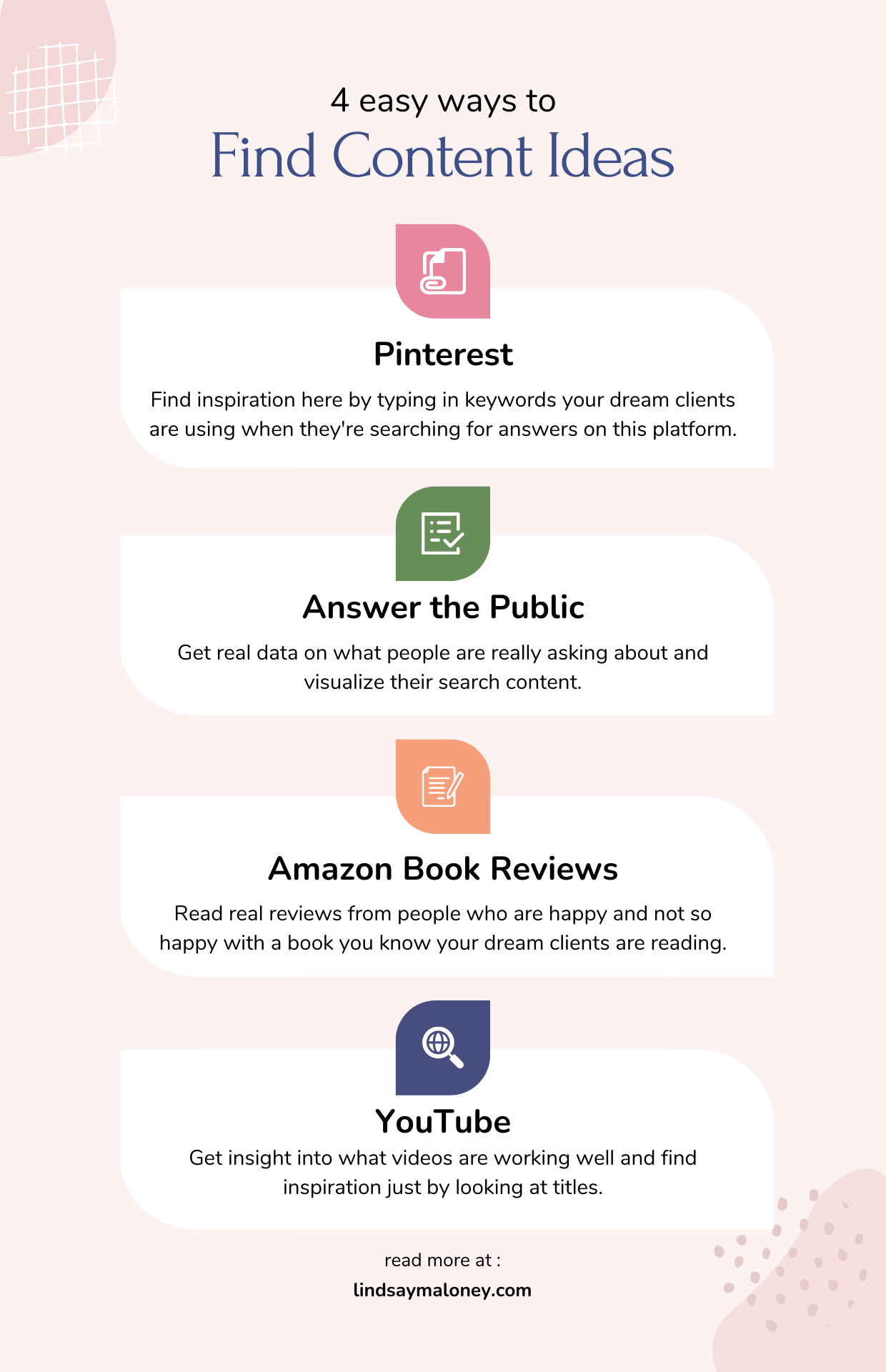
Pinterest’s core strength lies in its ability to visually represent and categorize ideas, moving beyond simple search queries. Users can explore a vast ocean of Pins, each representing a potential project, product, or concept. Whether you’re looking for home decor inspiration, recipes, fashion trends, or DIY projects, Pinterest surfaces relevant content tailored to your interests. This visually-driven approach helps users uncover ideas they might not have actively searched for, opening up new avenues for creativity and exploration.
Furthermore, the platform’s personalized recommendation system plays a vital role in unearthing fresh concepts. By analyzing your browsing history, saved Pins, and followed boards, Pinterest’s algorithm suggests related content that aligns with your preferences. This continuous stream of tailored recommendations ensures that users are constantly exposed to new and exciting ideas, fostering a cycle of inspiration and discovery. Imagine, for instance, searching for “modern living room decor”; Pinterest will then suggest related styles like “Scandinavian design,” “bohemian interiors,” or even specific furniture pieces, expanding your design horizons.
To truly leverage Pinterest for idea generation, consider actively engaging with its features. Experiment with different search terms, explore trending topics, and follow boards curated by experts and influencers in your areas of interest. The more you interact with the platform, the better Pinterest becomes at understanding your preferences and delivering relevant inspiration. Don’t be afraid to venture beyond your comfort zone – Pinterest’s strength lies in its ability to expose you to new possibilities and unexpected sources of creativity.
Planning Projects and Events Using Pinterest
Pinterest, beyond its role as a visual discovery engine, serves as a powerful planning tool for various projects and events. Individuals leverage what is Pinterest used for to visually organize ideas, gather inspiration, and collaborate on event planning, home renovation initiatives, or even personal projects. This functionality transforms Pinterest from a simple social media platform into a practical instrument for bringing visions to life.
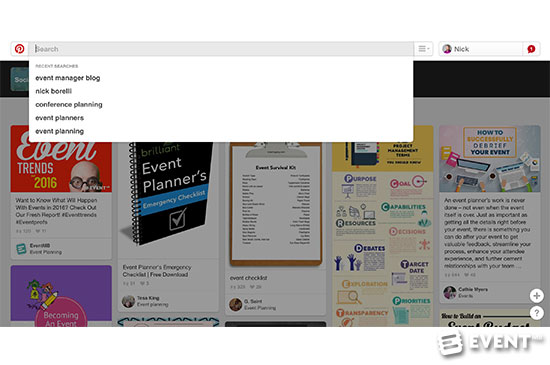
Pinterest facilitates project and event planning by enabling users to create dedicated boards for different endeavors. For instance, someone planning a wedding might create boards for floral arrangements, table settings, dress styles, and venue ideas. Users can then pin images, articles, and product links related to each category, effectively building a visual mood board and resource library. Furthermore, this streamlined approach allows for easy sharing and collaboration with other stakeholders, such as family members, friends, or professional planners, ensuring everyone is on the same page throughout the planning process.
Consider the application of Pinterest in home renovation projects. Homeowners can use Pinterest to gather inspiration for different rooms, styles, and design elements. They can create boards for kitchen renovations, bathroom makeovers, or living room updates, pinning images of furniture, paint colors, and décor items that appeal to them. By visually organizing their ideas, homeowners can better communicate their vision to contractors, interior designers, or even DIY partners, ensuring that the final result aligns with their preferences. The platform’s visual nature makes it easier to convey specific design aesthetics and preferences than relying solely on verbal descriptions.
Here are some ways users find Pinterest beneficial for planning:
- Visual Inspiration: Provides a wealth of visual ideas to spark creativity.
- Organization: Helps categorize and organize ideas into specific boards.
- Collaboration: Facilitates sharing and collaboration with others involved in the project or event.
- Resource Gathering: Allows users to collect and save relevant articles, products, and links.
- Decision Making: Supports informed decision-making by providing a visual overview of options.
In conclusion, Pinterest functions as a versatile planning platform, empowering users to orchestrate projects and events with enhanced visual organization and collaborative capabilities.

Shopping and Discovering Products on Pinterest
Pinterest goes beyond mere social interaction, transforming into a visual shopping paradise where users actively discover products and gain purchasing inspiration. Acting as a powerful product discovery engine, Pinterest connects users with diverse brands and retailers, driving sales and shaping consumer trends, moving beyond the common perception of what is pinterest used for as just a social platform. This platform empowers users to explore and purchase products seamlessly, transitioning from inspiration to acquisition.
Pinterest’s unique approach to e-commerce hinges on its visually-driven platform, allowing users to browse an extensive catalog of items through captivating images and videos. Users can explore numerous product categories, from fashion and home decor to electronics and DIY supplies, easily finding what resonates with their personal style and needs. For example, a user searching for “home office ideas” might stumble upon a visually appealing pin showcasing a desk setup with specific items tagged, leading them directly to the retailer’s website to purchase those items. This smooth integration of inspiration and commerce distinguishes Pinterest from traditional social media platforms, creating a seamless shopping experience.
Beyond simply finding products, Pinterest provides tools to facilitate informed purchasing decisions. Product Pins display real-time pricing, availability, and product details directly within the pin, enabling users to compare options and make quick decisions. Furthermore, shoppable pins and product catalogs allow businesses to showcase their entire inventory, while users can easily filter and search within these catalogs to find specific items. According to Pinterest’s own data, 89% of weekly users use Pinterest for purchase inspiration, demonstrating the platform’s significant role in the consumer buying journey.
Finally, Pinterest’s personalized recommendations further enhance the shopping experience. Based on user activity and saved pins, Pinterest curates a tailored feed of products that align with individual tastes and preferences. This personalized approach helps users discover new and relevant products they might not have otherwise encountered, driving engagement and potentially leading to unexpected purchases. AI-powered algorithms analyze user behavior to surface relevant products, making Pinterest an invaluable tool for both consumers and businesses seeking to connect with their target audience.
Learning and Skill Development Through Pinterest
Pinterest, often perceived as a visual social media platform, is actually a powerful learning and skill development tool that extends far beyond mere social interaction. Leveraging the platform’s visual nature, users can easily discover and engage with diverse content, making it an invaluable resource for acquiring new knowledge and honing existing skills. Instead of passively consuming information, Pinterest encourages active participation in the learning process, transforming it into an engaging and personalized experience that addresses “what is pinterest used for” in a way that goes beyond social media.
One of the primary ways Pinterest facilitates learning is by offering a vast library of DIY projects and tutorials. Whether it’s mastering a new recipe, learning a craft, or understanding a complex subject, Pinterest provides visual guides and step-by-step instructions that break down complex tasks into manageable steps. For instance, a user interested in learning photography can find numerous boards dedicated to camera settings, composition techniques, and post-processing tips, often accompanied by visual examples that illustrate key concepts. This hands-on approach significantly enhances comprehension and retention, making learning more effective and enjoyable.
Furthermore, Pinterest serves as a hub for accessing educational resources across various disciplines. From language learning to coding tutorials, users can discover a wealth of information curated by experts and enthusiasts. Many educators and institutions utilize Pinterest to share lesson plans, infographics, and interactive content, making learning accessible and engaging for students of all ages. The platform’s search functionality and recommendation algorithm also help users discover relevant content that aligns with their interests and learning goals, ensuring a personalized and tailored learning experience.
Pinterest’s collaborative nature fosters a supportive learning environment, enabling users to connect with like-minded individuals and share their knowledge and experiences. Group boards allow users to collaborate on projects, exchange ideas, and receive feedback from others, creating a sense of community and shared learning. By engaging with other users and participating in discussions, learners can expand their perspectives, gain new insights, and enhance their understanding of the subject matter. This collaborative aspect transforms Pinterest from a passive repository of information into an active learning community where knowledge is shared and skills are developed collectively.

Saving and Organizing Ideas with Pinterest Boards
Pinterest is more than just a place to find pretty pictures; it’s a powerful visual organization tool, allowing you to strategically save and categorize ideas using Pinterest boards, transforming it from a simple social media platform into a personal knowledge management system. These boards act as virtual pinboards, enabling users to curate and arrange content related to a specific theme or project, making Pinterest a valuable resource for inspiration and practical planning. Thinking of what is pinterest used for, this feature extends beyond casual browsing to become a cornerstone of productivity and creative execution.
Pinterest boards are not just static collections of images; they’re dynamic workspaces that can be tailored to fit individual needs. Users can create multiple boards, each dedicated to a different project, interest, or goal. Whether you’re planning a wedding, renovating your home, or simply collecting inspirational quotes, Pinterest boards provide a visual and intuitive way to organize your thoughts and resources. For example, a user planning a kitchen remodel might create separate boards for “Kitchen Layout Ideas,” “Cabinet Styles,” and “Backsplash Inspiration,” each containing relevant pins gathered from across the platform.
One of the key advantages of using Pinterest boards is the ability to collaborate with others. Shared boards allow multiple users to contribute and organize pins together, making them ideal for group projects, event planning, or even simply sharing ideas with friends and family. This collaborative aspect enhances the platform’s utility, transforming it from a personal resource into a shared knowledge base. For instance, families can use shared boards to plan vacations together, allowing each member to contribute ideas for destinations, activities, and accommodations.
Pinterest also offers features to enhance the organization and discoverability of boards. Secret boards provide a private space for users to collect ideas before they’re ready to share them publicly. Sections within boards allow for further categorization of pins, making it even easier to find specific items within a large collection. These features contribute to Pinterest’s effectiveness as a tool for both personal organization and collaborative planning, going beyond the typical uses of social media for simple content consumption.
For brands like Pin Video Downloader, understanding how users leverage Pinterest boards to organize video content is crucial. By optimizing content for discoverability within these boards, businesses can effectively reach their target audience and drive engagement. Understanding how to use what is pinterest used for from the perspective of board organization allows for better content strategy.
Need to declutter your Pinterest life? Discover how to delete a Pinterest board and keep your inspiration streamlined.
Connecting with LikeMinded People and Communities on Pinterest
Pinterest transcends its image as a mere visual discovery engine, offering robust features for connecting with likeminded people and fostering vibrant online communities. While “what is pinterest used for” is often associated with individual inspiration, a significant aspect involves engaging with others who share similar interests and passions, expanding the platform’s utility far beyond solitary browsing. These connections can range from casual engagement on shared pins to active participation in group boards and collaborative projects.
Pinterest facilitates community building through several mechanisms. Firstly, users can follow other pinners whose tastes align with their own. This allows for a curated feed of relevant content and provides opportunities for direct interaction through comments and messaging. Secondly, group boards act as communal spaces where multiple contributors can share and curate content around a specific theme, fostering collaboration and shared discovery. These boards create hubs for enthusiasts to exchange ideas, resources, and support.
Furthermore, Pinterest’s algorithm actively suggests relevant users and boards based on a user’s pinning activity and search history. This feature enhances the discoverability of niche communities, making it easier for individuals to find and connect with others who share their unique passions. For example, someone interested in sustainable living might discover group boards dedicated to eco-friendly crafts, zero-waste recipes, or minimalist home decor.
For brands like Pin Video Downloader, understanding the community aspect of Pinterest is crucial. By engaging with relevant communities and fostering connections with their target audience, businesses can build brand loyalty, gather valuable feedback, and drive organic growth. Pinterest, therefore, offers powerful tools for cultivating relationships and fostering a sense of belonging among its users.
Business and Marketing Applications of Pinterest
Pinterest, far beyond being just a social media platform, presents significant business and marketing applications for brands aiming to enhance visibility and drive sales; its visual nature makes it an ideal tool for businesses. Understanding what Pinterest is used for in a commercial context is crucial for leveraging its potential to reach a wider audience and boost brand engagement. The platform’s strength lies in its ability to inspire action, turning visual discovery into tangible business results.
One of the most effective business and marketing applications of Pinterest is its ability to drive traffic to websites. By creating visually appealing Pins that link directly to product pages or blog posts, businesses can encourage users to click through and explore their offerings. High-quality images and compelling descriptions are essential for attracting attention and driving clicks. For instance, a fashion retailer can showcase its latest collection with stunning visuals, linking each Pin to the corresponding product page on its website, thus facilitating direct purchases.
Furthermore, Pinterest serves as a powerful platform for brand building and increasing brand awareness. Consistent posting of high-quality content that aligns with the brand’s aesthetic and values can help businesses establish a strong visual identity. Sharing behind-the-scenes glimpses, customer testimonials, and lifestyle content can humanize the brand and foster a deeper connection with the audience. A food company, for example, might share recipes, cooking tips, and stories about the origins of its ingredients, creating a rich and engaging brand narrative.
Pinterest is also invaluable for market research and trend analysis. By monitoring popular Pins and boards, businesses can gain insights into consumer preferences, emerging trends, and competitor strategies. This information can inform product development, marketing campaigns, and overall business strategy. A home decor company, for instance, can track trending interior design styles and adapt its product offerings to meet the evolving needs of its target market.
In addition to organic reach, Pinterest offers various advertising options that allow businesses to target specific demographics and interests. Promoted Pins and video ads can significantly expand reach and drive conversions. Businesses can use Pinterest’s targeting tools to reach users based on their age, gender, location, interests, and even search keywords. A travel agency, for example, can target users who have shown interest in travel-related content with Promoted Pins showcasing vacation packages and destinations.