Why Is Pinterest All Ads? Understanding Pinterest Ads & User Experience
Okay, here’s an opening paragraph designed to be SEO-friendly and engaging, focusing on “why is pinterest all ads” based on your requirements:
Are you drowning in ads every time you open Pinterest? It’s a frustration felt by many, and understanding the reasons behind this ad surge is crucial to reclaiming your visual discovery experience. This Blog post dives deep into the monetization strategies driving the increased ad frequency, exploring the algorithmic changes that prioritize sponsored content. We’ll also analyze the impact of user behavior on ad targeting and offer actionable tips to reduce ad exposure and optimize your Pinterest feed for a more enjoyable and relevant browsing experience.
Pinterest’s Monetization Strategy: How Ads Fuel Growth and Revenue
Pinterest’s monetization strategy heavily relies on advertising to drive growth and revenue, transforming the platform from a simple visual discovery tool into a powerful marketing channel. As users increasingly find themselves asking, “why is Pinterest all ads?”, understanding how Pinterest leverages advertising is crucial. This advertising-centric approach allows Pinterest to sustain its operations, expand its user base, and continue innovating its platform.
Advertising is the lifeblood of Pinterest’s revenue model. Unlike subscription-based platforms, Pinterest primarily generates income by selling ad space to businesses looking to reach its large and engaged user base. Promoted Pins, which blend seamlessly into users’ feeds, are the cornerstone of this strategy. These ads appear just like regular Pins, but are clearly marked as “Promoted” and are targeted based on user interests, search queries, and browsing behavior. The effectiveness of Pinterest ads stems from their visual nature and the platform’s user intent: people come to Pinterest seeking inspiration and ideas, making them more receptive to relevant product and service suggestions.
The evolution of Pinterest’s advertising offerings has been instrumental in its financial success. Initially, Pinterest focused on simple Promoted Pins, but has since expanded to include a range of ad formats, such as video ads, carousel ads, and collection ads. These diversified options allow advertisers to showcase their products and services in more engaging and interactive ways. Furthermore, Pinterest has invested heavily in its ad targeting capabilities, enabling businesses to reach specific demographics, interests, and even purchase behaviors. This precision targeting maximizes ad relevance, improving click-through rates and ultimately driving conversions for advertisers.
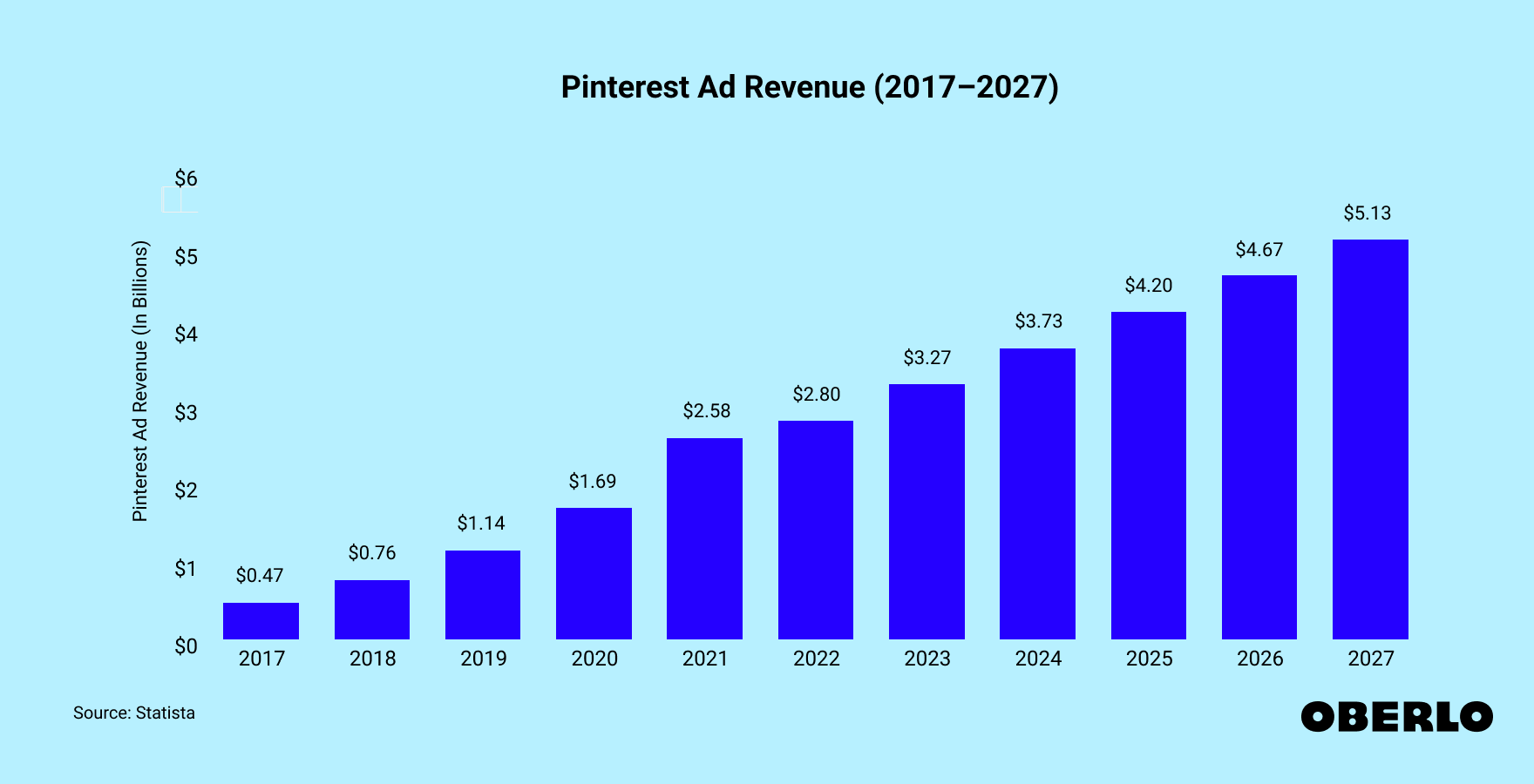
Pinterest’s advertising revenue directly fuels its overall growth. The revenue generated from ads allows Pinterest to reinvest in its platform, enhancing user experience, expanding its content library, and developing new features. This cycle of revenue generation and reinvestment is critical for attracting and retaining both users and advertisers. For instance, improvements to Pinterest’s search and recommendation algorithms, funded by ad revenue, make it easier for users to discover relevant content, increasing engagement and time spent on the platform. This, in turn, makes Pinterest even more attractive to advertisers, creating a positive feedback loop.
Pinterest’s strategic focus on e-commerce integration has further amplified the impact of its advertising model. By enabling users to directly purchase products featured in Pins, Pinterest streamlines the path from discovery to purchase, making its platform a valuable tool for businesses. This seamless integration not only enhances user experience but also provides advertisers with a clear return on investment, solidifying Pinterest’s position as a key player in the digital advertising landscape. As more users embrace Pinterest for shopping inspiration, the platform’s advertising revenue is poised to continue its upward trajectory.
Here’s the H2 content, focusing on providing comprehensive information and SEO optimization:
The Algorithm’s Role: How Pinterest’s Algorithm Prioritizes Ads
The increasing prominence of ads on Pinterest raises a crucial question: how does Pinterest’s algorithm prioritize ads within its visually-driven platform? Understanding this prioritization is key to deciphering why users encounter so many promoted pins while browsing for inspiration and ideas. Pinterest, at its core, operates on a sophisticated algorithm designed to surface relevant content to its users, but this algorithm also plays a pivotal role in integrating and displaying advertisements. This section will explore the mechanics behind this algorithm, dissecting how it balances user experience with the platform’s monetization strategies.
Pinterest’s ad prioritization relies on a multi-faceted approach. It begins with user data – including browsing history, saved pins, and declared interests – to build a detailed profile. The algorithm then uses this information to match users with relevant ads, aiming to make the advertising experience feel less intrusive and more aligned with their needs and preferences. Ad relevance is thus a critical factor; ads that closely match a user’s interests are more likely to be displayed prominently. Furthermore, bidding strategies employed by advertisers play a significant role. Advertisers compete for ad space using various bidding models, and those willing to pay more for specific keywords or target audiences often see their ads prioritized.
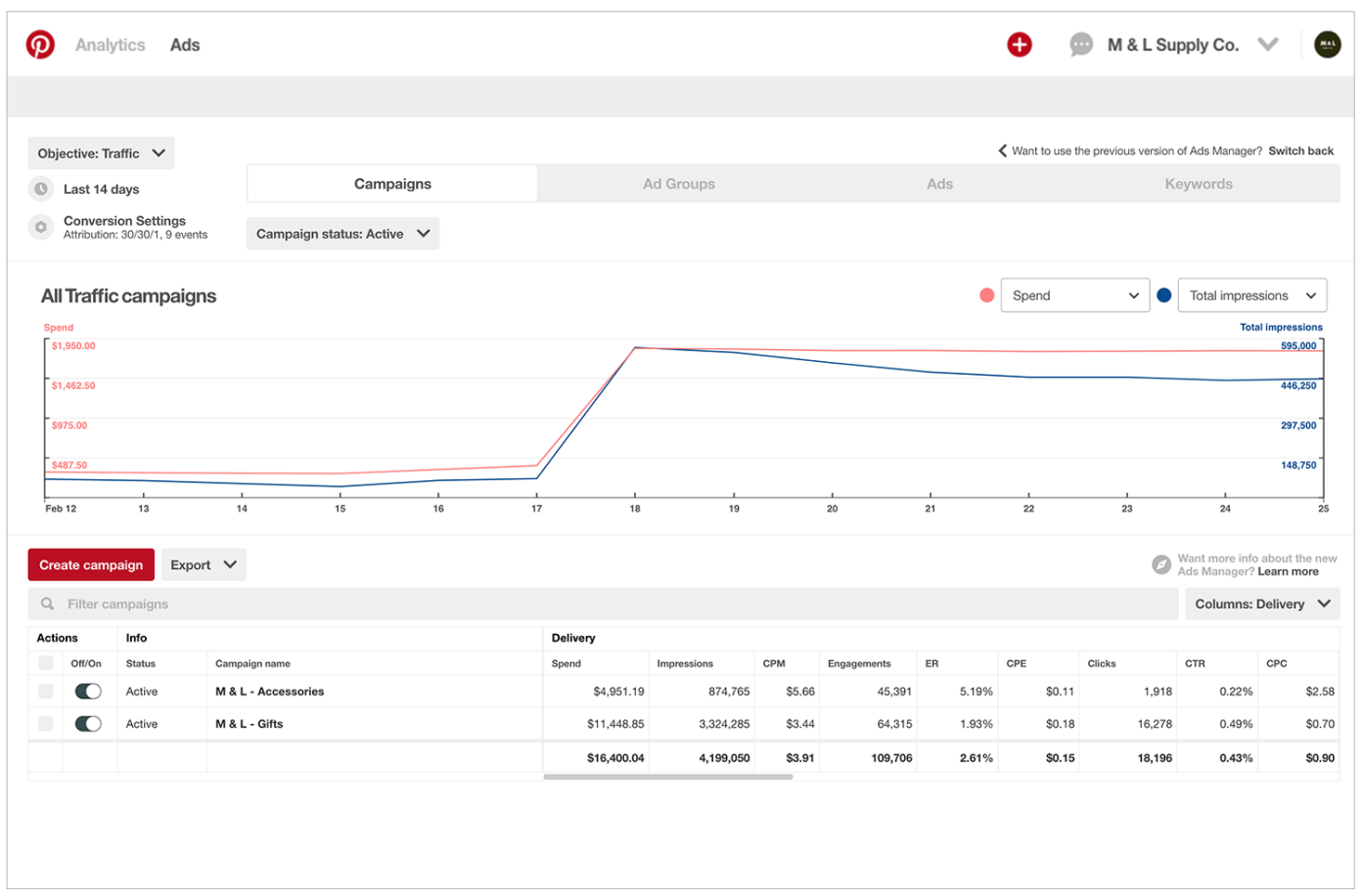
Beyond relevance and bidding, the algorithm considers ad quality and performance. Pinterest assesses factors like click-through rates (CTR), engagement metrics (saves, closeups, outbound clicks), and overall user feedback to determine which ads are most engaging and valuable to its audience. Ads that perform well are rewarded with higher visibility, while those with poor engagement may be demoted. This performance-based ranking helps ensure that users are shown ads that are not only relevant but also likely to be interesting and useful.
Finally, it’s crucial to acknowledge that Pinterest continuously tests and refines its algorithm to optimize ad delivery. This involves A/B testing different ad formats, placements, and targeting parameters to understand what works best for both users and advertisers. By analyzing user behavior and ad performance data, Pinterest can fine-tune its algorithm to strike a balance between generating revenue and maintaining a positive user experience. Therefore, the prevalence of “why is pinterest all ads” is not a simple accident but the result of complex and evolving algorithmic decisions.

User Targeting and Data Collection: Is Pinterest Showing You More Ads Because of Your Interests?
It’s no secret that the number of ads on Pinterest seems to be increasing, leading many to wonder: is Pinterest showing you more ads because of your interests? The answer, in short, is a resounding yes. Pinterest, like most social media platforms, relies heavily on user targeting and data collection to deliver advertisements that are more likely to resonate with individual users, ultimately driving revenue for the platform and its advertisers. This sophisticated system analyzes your activity to create a profile of your interests, which then informs the ads you see.
Pinterest’s data collection methods are multifaceted, encompassing a wide range of user actions. This includes:
- Browsing History: The pins you view, the boards you follow, and the topics you search all provide valuable insights into your preferences. If you consistently search for “home decor,” Pinterest will likely show you ads for furniture, lighting, and other related products.
- Demographic Data: Information such as your age, gender, and location (often inferred from your IP address) further refines the targeting process. For example, someone in a metropolitan area might see ads for local events or services, while someone in a rural area might see ads for online retailers with nationwide shipping.
- Engagement Metrics: The pins you save, the comments you leave, and the products you purchase directly through Pinterest provide even more precise data about your buying habits and interests. The more you interact with certain types of content, the more likely you are to see similar ads.
- Off-Platform Activity: Through the use of tracking pixels and other technologies, Pinterest can also gather data about your activity on other websites and apps, particularly those with which they have partnerships. This allows them to target you with ads based on your broader online behavior.
This extensive data collection enables Pinterest to create highly targeted advertising campaigns. Advertisers can select specific demographics, interests, and behaviors to reach their ideal customers. For example, a clothing retailer might target women aged 25-35 who are interested in fashion and have recently searched for “summer dresses.” This level of precision significantly increases the effectiveness of advertising, making it more likely that users will click on ads and make purchases. The end result is that the more you use Pinterest and interact with content, the more tailored and, potentially, more frequent the advertisements become.
Impact on User Experience: Is Pinterest Becoming Unusable Due to Ad Clutter?
The rising prevalence of ads on Pinterest is prompting users to question: is Pinterest all ads now, and is this impacting the overall user experience? While ads are a necessary component of Pinterest’s monetization strategy, the increasing ad density raises concerns about usability, especially for those who rely on the platform for inspiration and discovery. This section will explore how the increasing presence of advertisements on Pinterest affects user satisfaction and whether it’s pushing the platform towards a point of diminishing returns.
The primary way ads degrade user experience is by disrupting the natural flow of content discovery. Imagine scrolling through your home feed, eager to find DIY project ideas or fashion inspiration, only to be met with a wall of sponsored pins. Such disruptions can lead to frustration and a decreased desire to explore the platform further. Moreover, the similarity in appearance between organic pins and ads can sometimes make it difficult for users to distinguish between the two, leading to accidental clicks on advertisements and a feeling of being misled.
Beyond simple disruption, the increase in ad clutter can also negatively influence the perceived value of Pinterest. Users may start to view the platform less as a source of inspiration and more as an advertising platform. This shift in perception can lead to a decline in engagement, with users spending less time browsing and interacting with content. Data suggests that excessive advertising can, in some cases, drive users away from a platform altogether, opting for alternative sources that provide a cleaner, less intrusive experience. Are users looking for Pinterest alternatives due to this issue?
Furthermore, the relevance of ads plays a crucial role in shaping user experience. While Pinterest’s user targeting aims to show relevant ads based on interests, poorly targeted advertisements can become a major source of irritation. For example, a user primarily interested in home decor might find themselves bombarded with ads for automotive products, leading to a feeling that the platform doesn’t understand their needs and preferences. This lack of relevance exacerbates the problem of ad clutter and further diminishes the overall user experience.

Alternatives and Workarounds: How to Minimize Ads on Pinterest
Feeling overwhelmed by the sheer volume of promotional content? If you’re wondering why is Pinterest all ads lately, you’re not alone. While ads are a necessary component of Pinterest’s monetization strategy, there are several alternatives and workarounds users can implement to reclaim a more organic browsing experience and minimize ads on the platform.
One of the most direct methods to control your Pinterest experience is by carefully curating your feed. Unfollowing boards and accounts that frequently promote sponsored content can significantly reduce the number of ads you encounter. This is because Pinterest’s algorithm prioritizes content from sources you follow, including paid promotions. By actively managing your follows, you regain control over the content that appears in your home feed.
Another approach involves leveraging browser extensions designed to block or filter ads. Several extensions, such as AdBlock and uBlock Origin, can be configured to target and remove advertisements from web pages, including those on Pinterest. While these tools are not specifically designed for Pinterest, they can effectively reduce ad clutter. It’s essential to research and choose reputable extensions to ensure your privacy and security.
Finally, consider exploring alternative platforms or tools for visual inspiration. Services like Unsplash or designspiration.net provide vast libraries of high-quality images and design ideas without the intrusive advertising found on Pinterest. For downloading Pinterest videos without ads, you can utilize reputable tools such as Pin Video Downloader offered by our brand, providing a seamless and ad-free experience. Shifting your focus to these platforms can offer a refreshing alternative to the ad-heavy environment on Pinterest.

Tired of endless ads? Explore why your feed is flooded with them and learn how to reclaim a better Pinterest experience.
The Future of Advertising on Pinterest: What to Expect and How Pinterest Might Evolve
The future of advertising on Pinterest is poised for significant evolution, moving beyond simple image-based ads as platforms seek to refine the user experience while optimizing monetization strategies. This evolution directly addresses concerns about Pinterest becoming overloaded with ads, impacting its usability.
Pinterest’s advertising landscape is expected to shift towards several key areas. Firstly, we can anticipate a greater emphasis on personalized advertising.
- Enhanced Personalization: Pinterest is likely to leverage its rich user data to create more targeted and relevant ad experiences. This could involve using advanced machine learning algorithms to understand user intent and predict their needs, leading to ads that feel less intrusive and more helpful.
- Interactive Ad Formats: Expect to see more interactive ad formats, such as shoppable pins, quizzes, and augmented reality experiences, to increase user engagement. These formats can provide a more immersive and personalized experience than static ads.
- Integration with E-commerce: Pinterest may deepen its integration with e-commerce platforms, allowing users to make purchases directly from the app. This seamless shopping experience could drive higher conversion rates for advertisers and boost Pinterest’s revenue.
Secondly, the platform might explore new ad formats that blend more seamlessly into the user’s feed. Video ads, for instance, are likely to become more prominent, offering brands a dynamic way to showcase their products and services. The future could also bring more sophisticated native advertising, where ads are designed to look and feel like organic content. Further innovation is expected in augmented reality (AR) ads, allowing users to virtually try on clothes or visualize furniture in their homes.
Finally, Pinterest will likely need to address user concerns regarding ad density. Balancing monetization with user satisfaction will be crucial. Strategies might include:
- Ad Frequency Control: Implementing more sophisticated algorithms to control the frequency of ads shown to each user.
- User Feedback Mechanisms: Providing users with more control over the types of ads they see and allowing them to provide feedback on ad relevance and quality.
- Premium Subscription Options: Offering a premium subscription option that removes ads entirely, providing an alternative revenue stream for Pinterest.
Ultimately, the future of advertising on Pinterest hinges on finding a delicate balance between generating revenue and maintaining a positive user experience. This balance will require innovation in ad formats, targeting strategies, and user control.

Here’s the content for the H2, focusing on comparing Pinterest’s ad density with other platforms, adhering to all the specifications provided:
Comparing Pinterest’s Ad Density: How Does it Stack Up Against Other Platforms?
Pinterest’s increasing ad frequency often prompts the question: how does the platform’s ad density compare to other social media giants? Understanding where Pinterest stands relative to platforms like Instagram, Facebook, and Twitter provides valuable context for users concerned about ad clutter and its impact on their browsing experience.
When evaluating ad density across different social platforms, ad load – the percentage of content that consists of advertisements – serves as a key metric. Facebook, while known for its targeted advertising, generally maintains a user-content-to-ad ratio that many find acceptable. Instagram, heavily reliant on visual content, integrates ads seamlessly within the feed and Stories, but users often perceive a lower ad intrusion compared to Pinterest. Twitter, now X, utilizes promoted tweets and accounts, yet the chronological feed (or algorithmic “For You” feed) can sometimes offer respite from constant ad bombardment, depending on user activity.
Several factors influence a user’s perception of ad density, including the platform’s algorithm, the relevance of ads, and the overall user interface. Pinterest’s algorithm prioritizes ads based on user interests, which, while aimed at enhancing relevance, can lead to a higher concentration of ads within specific categories. For instance, a user actively searching for home decor ideas might encounter a disproportionate number of ads related to furniture, lighting, and interior design. Comparing this to YouTube, where ads are primarily pre-roll, mid-roll, or banner-based, the in-feed ad experience on Pinterest can feel more pervasive. Understanding these nuances clarifies why Pinterest might seem all ads compared to other platforms with diverse monetization strategies.